
Acupuncture Doesn’t Hurt—And Other Myths to Stop Believing

For many people, curiosity about acupuncture is immediately followed by hesitation.

“Does it hurt?”
“Are the needles huge?”
“Is it actually backed by anything?”
“Will I be laying on a table covered in needles?”

At NJ Acupuncture Center, we hear these questions every day—and the truth is, most people are surprised by how relaxing and gentle acupuncture actually feels.

If you’ve been acupuncture-curious but nervous to try it, let’s clear up a few of the most common myths.

Myth #1: Acupuncture Hurts

This is by far the biggest misconception.

Acupuncture needles are extremely thin—much thinner than the needles used for blood draws or injections. Most patients barely feel them at all. Some people notice a tiny pinch during insertion, while others feel a warm, tingling, heavy, or relaxing sensation.

In fact, many patients end up so relaxed during treatment that they fall asleep.

Acupuncture is designed to help calm the nervous system, not stress it out.

Myth #2: Acupuncture Is Only for Pain

While acupuncture is well-known for helping with neck pain, back pain, headaches, and muscle tension, that’s only part of the picture.

People also seek acupuncture support for:

  • Stress and anxiety

  • Burnout and fatigue

  • Sleep issues

  • Hormonal changes

  • Fertility and pregnancy support

  • Menopause and perimenopause symptoms

  • Digestive concerns

  • TMJ and jaw tension

  • Migraines

  • General wellness and nervous system regulation

Acupuncture takes a whole-body approach, which is why so many patients notice improvements in multiple areas at once.

Myth #3: You Have to “Believe In It” for It to Work

Acupuncture isn’t about belief or willpower.

Modern research continues to explore how acupuncture may help stimulate the nervous system, improve circulation, release endorphins, and regulate the body’s stress response. Many patients try it simply because they’re tired of feeling uncomfortable, stressed, exhausted, or stuck—and are looking for a more natural way to support their health.

You don’t have to be an expert in acupuncture to experience its benefits.

Myth #4: Once You Start, You Have to Go Forever

Acupuncture is not a lifetime commitment.

Some people come regularly as part of their wellness routine, while others schedule visits only when symptoms flare up or during particularly stressful seasons of life.

Treatment plans are individualized based on your goals, symptoms, and lifestyle.

Myth #5: Acupuncture Is Just About Relaxation

Relaxation is definitely a benefit—but acupuncture is doing more than simply helping you unwind.

Treatments are designed to support balance throughout the body, helping address tension, inflammation, stress, circulation, and nervous system function. Many patients notice they sleep better, feel calmer, move more comfortably, and recover more easily after treatments.

What Most First-Time Patients Say

One of the most common things we hear after a first session is:

“That was nothing like I expected.”

Many people walk in nervous and leave wondering why they waited so long to try it.

At NJ Acupuncture Center, our goal is to make patients feel comfortable, informed, and supported every step of the way. Whether you’re dealing with pain, stress, fatigue, or simply feeling out of balance, acupuncture may offer a gentle, natural way to help your body reset.
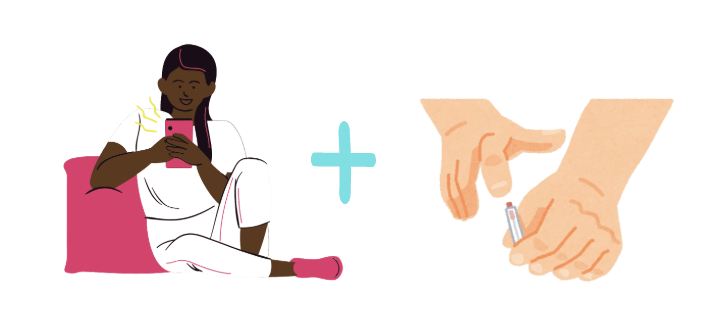
Sitting All Day Is Wrecking Your Body—Here’s What Helps

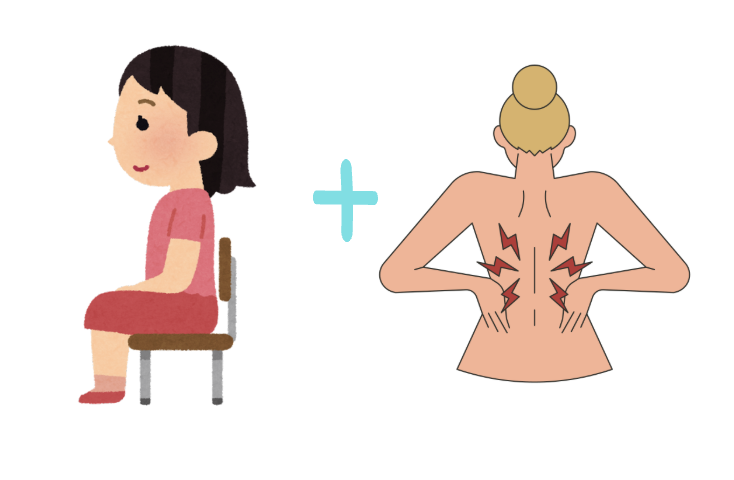
If you spend most of your day sitting at a desk, in the car, on the couch, or even hunched over your phone, your body is likely feeling the effects—even if you don’t realize it yet. Tight hips, stiff shoulders, headaches, low back pain, poor posture, fatigue, and even increased stress levels have become incredibly common in today’s screen-heavy world.

The truth is: our bodies weren’t designed to sit for hours at a time. And over time, prolonged sitting can create a ripple effect throughout the entire body.

At NJ Acupuncture Center, we see more and more patients dealing with the physical and mental strain that comes from sedentary lifestyles. The good news? There are ways to help your body recover, reset, and feel better naturally.

What Sitting All Day Actually Does to the Body

When you sit for long periods without movement, certain muscles tighten while others weaken. This imbalance often leads to:

  • Neck and shoulder tension

  • Tight hips and hamstrings

  • Lower back pain

  • Poor posture

  • Reduced circulation

  • Increased fatigue

  • Headaches and jaw tension

  • Wrist and hand discomfort from typing or scrolling

  • Increased stress and nervous system dysregulation

Even people who exercise regularly can still experience the effects of sitting all day if the majority of their waking hours are sedentary.

Why Your Body Feels “Stuck”

Many patients describe the feeling as being “tight everywhere” or like their body is constantly bracing itself. That’s because prolonged sitting can keep the body in a low-grade stress state. Muscles remain contracted, circulation slows, and tension builds over time.

Add in work stress, lack of movement, poor sleep, and screen time, and it becomes the perfect recipe for chronic discomfort.

How Acupuncture Can Help

Acupuncture works by helping the body return to balance. Treatments can help release muscle tension, improve circulation, calm the nervous system, and reduce inflammation naturally.

Many patients seek acupuncture for:

  • Neck and back pain

  • Tech neck and posture-related discomfort

  • Tension headaches

  • Sciatica

  • Stress and burnout

  • Hip tightness and stiffness

  • TMJ and jaw tension

  • Fatigue and poor sleep

One of the biggest benefits of acupuncture is that it addresses both the physical tension and the stress component that often comes with modern work and lifestyle habits.

Patients frequently leave treatments feeling looser, calmer, and more energized.

Small Changes That Make a Big Difference

While acupuncture can be incredibly effective, combining treatment with small daily habits can make an even bigger impact. Try:

  • Standing up every 30–60 minutes

  • Stretching your neck, chest, and hips throughout the day

  • Taking short walks when possible

  • Adjusting your desk and screen height for better posture

  • Drinking more water

  • Prioritizing quality sleep

  • Giving your nervous system regular opportunities to relax

You don’t need a perfect wellness routine to feel better. Small, consistent changes matter.

Your Body Wants Movement & Recovery

Pain and tension aren’t just “part of getting older” or something you simply have to push through. Often, they’re signs your body needs support, movement, and recovery.

If sitting all day has left you feeling stiff, sore, exhausted, or constantly tense, acupuncture may help your body finally exhale.

At NJ Acupuncture Center, we’re here to help you feel better, move better, and support your long-term wellness naturally.

Text Neck, Tension & Headaches: The Modern Pain Epidemic

If you’ve ever ended the day rubbing your neck, stretching your shoulders, or reaching for headache relief after hours at a computer or scrolling your phone, you’re not alone. More people than ever are experiencing what’s commonly called “text neck”—a modern condition caused by spending long periods looking down at screens. Between smartphones, laptops, tablets, and long workdays, our bodies are under constant strain in ways they weren’t designed for.

At NJ Acupuncture Center, we’re seeing an increasing number of patients dealing with chronic neck tension, tight shoulders, jaw discomfort, stress headaches, and even migraines linked to screen time and posture habits. The good news? Acupuncture offers a natural, effective way to help relieve the tension and restore balance.

What Is “Text Neck”?

“Text neck” refers to the repetitive stress and strain placed on the neck and upper back from looking down at phones or devices for extended periods of time. The human head weighs about 10 to 12 pounds in a neutral position—but as the head tilts forward, the pressure on the neck dramatically increases.

Over time, this strain can contribute to:

  • Neck stiffness and soreness

  • Shoulder tightness

  • Tension headaches

  • Jaw clenching or TMJ discomfort

  • Upper back pain

  • Poor posture

  • Numbness or tingling in the arms and hands

  • Increased stress and fatigue

For many people, the discomfort starts subtly and gradually becomes part of daily life.

Why Modern Life Makes It Worse

Remote work, long commutes, constant notifications, and screen-heavy lifestyles mean many of us rarely give our muscles a break. Even when we’re “relaxing,” we’re often scrolling on the couch with our shoulders hunched forward.

Stress also plays a major role. When we’re overwhelmed or mentally exhausted, we tend to tighten the muscles in the neck, shoulders, and jaw without realizing it. This creates a cycle of tension and pain that can become chronic over time.

How Acupuncture Can Help

Acupuncture works by stimulating specific points on the body to help improve circulation, release muscle tension, calm the nervous system, and support the body’s natural healing response.

For patients struggling with text neck and tension headaches, acupuncture may help:

Relieve Muscle Tightness

Acupuncture can target areas of chronic tension in the neck, shoulders, and upper back to help muscles relax and reduce stiffness.

Reduce Headaches Naturally

Many headaches stem from tight muscles, stress, and inflammation. Acupuncture may help decrease both the frequency and intensity of tension headaches and migraines.

Improve Circulation

Restricted muscles and poor posture can limit healthy blood flow. Acupuncture encourages circulation to affected areas, helping deliver oxygen and nutrients where the body needs them most.

Calm the Nervous System

Stress and burnout often show up physically in the body. Acupuncture promotes relaxation and supports the parasympathetic nervous system—the “rest and restore” state many people struggle to access.

Support Better Posture Awareness

As pain decreases, many patients notice it becomes easier to sit, stand, and move more comfortably throughout the day.

Small Habits That Can Make a Big Difference

Alongside acupuncture treatment, a few simple adjustments may help reduce daily strain:

  • Raise screens to eye level when possible

  • Take stretch breaks throughout the workday

  • Avoid looking down at your phone for long periods

  • Use supportive seating while working

  • Stay hydrated

  • Practice deep breathing to reduce jaw and shoulder tension

  • Prioritize sleep and recovery

Even small changes can add up over time.

You Don’t Have to Live With Constant Tension

Many people assume neck pain and headaches are just part of modern life—but they don’t have to be. Whether your discomfort comes from desk work, stress, parenting, commuting, or nonstop screen time, your body deserves support.

At NJ Acupuncture Center, we take a whole-body approach to helping patients feel better, move easier, and reduce the daily tension that so many people carry without realizing it.

If you’ve been dealing with headaches, neck stiffness, or chronic tension, acupuncture may help you finally get some relief—naturally.

Managing Shift Work and Sleep Deprivation: An Acupuncture Approach

If you work nights, rotating shifts, or long, unpredictable hours, you already know how hard it is to get consistent, quality sleep. One week you’re up before sunrise, the next you’re trying to fall asleep while the rest of the world is wide awake. Over time, that disruption adds up.

Shift work doesn’t just leave you feeling tired—it can affect your mood, focus, immune system, and overall health. And while coffee and powering through might get you by in the moment, they don’t solve the root issue.

The key isn’t just getting more sleep—it’s helping your body learn how to rest again.

Why Shift Work Disrupts Your Body

Your body runs on an internal clock, often called your circadian rhythm. It tells you when to feel alert and when to wind down. But when your schedule constantly changes, that rhythm gets thrown off.

Common effects of shift work include:

  • Difficulty falling or staying asleep

  • Waking up feeling unrefreshed

  • Brain fog and slower reaction time

  • Increased irritability or anxiety

  • Low energy, even after resting

Over time, this ongoing disruption can impact everything from digestion to immune function.

The Stress-Sleep Cycle

Sleep and stress are closely connected—and shift work often affects both.

When your body is overtired, it produces more stress hormones to keep you going. But those same hormones can make it harder to relax when it’s finally time to sleep.

This creates a cycle:

  • You’re tired but wired

  • You struggle to fall asleep

  • You wake up still exhausted

  • You rely on stimulation to get through the day

Breaking that cycle requires more than just trying to “sleep harder.” It requires resetting how your body responds to stress and rest.

How Acupuncture Helps Reset Sleep Patterns

Acupuncture supports the body by helping regulate internal systems—including the nervous system, which plays a major role in sleep.

Here’s how it can help:

1. Calms the Nervous System

Acupuncture helps shift your body out of a constant alert state and into a more relaxed one. This makes it easier to fall asleep and stay asleep, even when your schedule isn’t perfect.

2. Supports Natural Sleep Cycles

While your schedule may vary, your body still benefits from rhythm. Acupuncture can help reinforce your body’s ability to recognize when it’s time to rest and recover.

3. Reduces “Tired but Wired” Feeling

If you’ve ever felt exhausted but unable to shut your mind off, you’re not alone. Acupuncture helps regulate stress hormones, making it easier to unwind when you need to.

4. Improves Sleep Quality

It’s not just about how long you sleep—it’s about how restorative that sleep is. Many people notice deeper, more refreshing sleep after consistent treatments.

5. Boosts Energy Without Stimulants

When your body is better rested, your energy improves naturally. Instead of relying on caffeine or quick fixes, you feel more balanced throughout your shift.

Supporting Your Body Between Shifts

In addition to acupuncture, small changes can help support better rest:

  • Keep your sleep environment as dark and quiet as possible

  • Limit screen time before trying to sleep

  • Stay consistent with sleep and wake times when you can

  • Avoid heavy meals right before bed

  • Give yourself time to unwind, even if it’s brief

Even small adjustments can make a difference when your schedule is demanding.

A Smarter Way to Handle Shift Work

You may not be able to change your schedule—but you can support how your body responds to it.

Acupuncture offers a natural, effective way to help regulate sleep, reduce stress, and improve overall function—even in the face of irregular hours.

It’s not about perfection. It’s about helping your body adapt, recover, and perform better over time.

Shift work and sleep deprivation are tough—but they don’t have to define how you feel every day. With the right support, your body can learn to rest more effectively, recover more fully, and handle the demands of your schedule with greater ease. Acupuncture is one tool that helps make that possible—so you can feel more like yourself, no matter what shift you’re on.

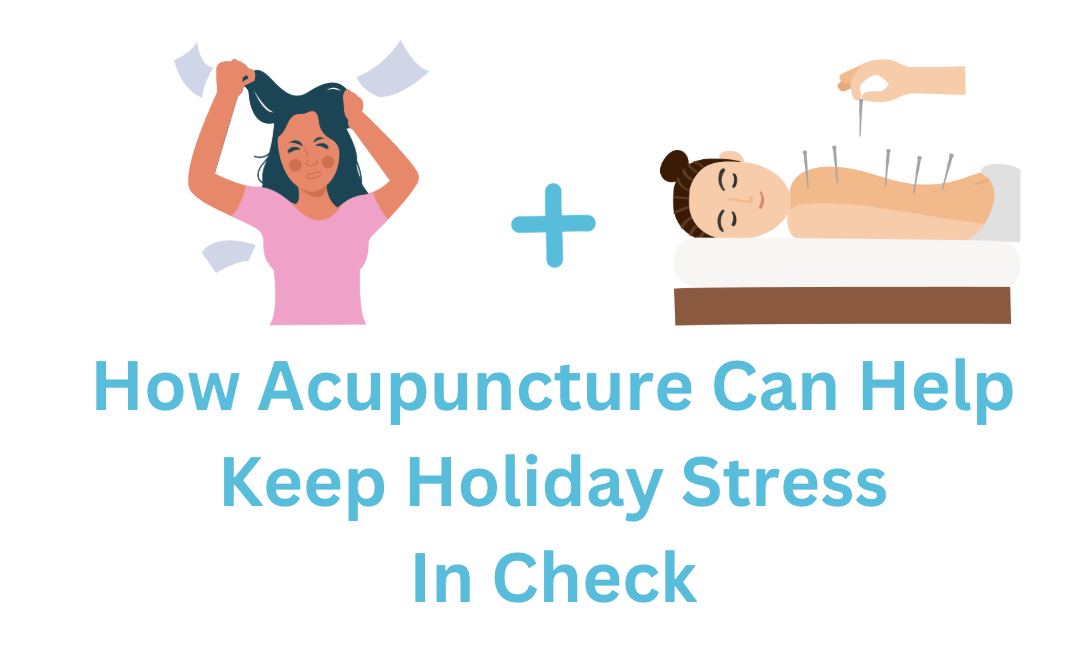
How Acupuncture Can Help With Holiday Stress

The holidays are often described as the most wonderful time of the year—but for many of us, they can also be the most stressful. Between jam-packed calendars, financial pressure, family dynamics, travel, and the pressure to create “perfect” memories, it’s no wonder that anxiety, tension, and burnout seem to spike from late November through January. What’s supposed to feel joyful can quickly become overwhelming.

At NJ Acupuncture Center, we see this every year. Our patients walk in talking about tight shoulders, restless sleep, tension headaches, digestive upset, short tempers, and feeling like they’re running on fumes. The good news? Acupuncture is a powerful, natural, and restorative way to manage holiday stress—helping you feel more grounded, calm, and present through the season.

Here’s how acupuncture supports your mind, body, and nervous system during the holidays—and why now is the perfect time to schedule a session.

1. Acupuncture Calms the Nervous System

Holiday stress has a way of pushing your body into “fight or flight” mode. Even if you’re not consciously feeling anxious, your body may be working overtime behind the scenes—raising cortisol levels, tightening muscles, quickening your heart rate, and interfering with sleep.

Acupuncture works directly with the nervous system to help you shift into “rest and digest” mode. When tiny, hair-thin needles are placed on specific calming points, your body releases natural chemicals like endorphins, serotonin, and GABA—the same neurotransmitters associated with calm and relaxation.

Many of our patients report feeling an almost immediate wave of peace during their session. Some even fall asleep on the table (and we consider that a compliment!).

By calming the nervous system, acupuncture helps create space between you and your stress. You leave feeling clearer, lighter, and less reactive to the things that normally trigger you.

2. It Eases Muscle Tension and Physical Stress

Most people carry holiday stress in their bodies:

  • tight shoulders and neck

  • back pain

  • headaches

  • jaw clenching

  • tension from long hours shopping, cooking, or traveling

Acupuncture increases blood flow, reduces inflammation, and releases tight, contracted muscles. For many, it’s like hitting a reset button.

If you experience tension headaches or migraines this time of year, acupuncture is especially helpful. By improving circulation and soothing the nervous system, it can significantly reduce both pain and frequency. For those who store stress in their jaw or grind their teeth at night, acupuncture around the face and neck can help reduce clenching and relieve the associated discomfort.

When your body feels better, your mind follows.

3. It Improves Sleep (Which You Definitely Need This Season)

Stress and sleep are deeply connected. The more stressed you are, the harder it is to fall—and stay—asleep. Poor sleep then feeds more irritability, anxiety, and overwhelm.

Acupuncture helps regulate your circadian rhythms and reduces the mental “buzz” that keeps many people awake at night. By lowering stress hormones and increasing melatonin production, acupuncture supports deeper, more restful sleep.

Even one or two sessions during the holiday season can help improve:

  • difficulty falling asleep

  • restless nights

  • waking up too early

  • feeling tired even after sleeping

Good sleep is one of the most impactful things you can do to protect your mental health—and acupuncture makes it easier to get.

4. Acupuncture Helps With Digestive Stress Too

Let’s be honest: holiday eating can be a lot. Rich meals, sweets, irregular eating schedules, alcohol, and traveling all take a toll on digestion.

Stress and digestion are also closely linked—when you’re overwhelmed, your body doesn’t break down food as efficiently, which can lead to bloating, acid reflux, constipation, and overall discomfort.

Acupuncture helps regulate digestive function by stimulating the parasympathetic nervous system and improving gut motility. Many patients experience less bloating, better regularity, and more ease in their digestion during the holidays when they incorporate acupuncture into their routine.

5. It Boosts Emotional Balance

While we often talk about stress in physical terms, it’s also an emotional season. The holidays can bring joy, but they can also stir up grief, loneliness, complicated family dynamics, or simply the pressure to keep everyone happy.

Acupuncture helps balance your emotions by regulating the flow of Qi (your body’s energy) and supporting organ systems tied to mood—especially the Liver (stress and irritability), Heart (anxiety), and Spleen (worry). Patients frequently describe feeling:

  • more grounded

  • less reactive

  • more emotionally steady

  • better able to set boundaries

  • more patient with themselves and others

This emotional support can make gatherings, travel, and even gift-giving feel less overwhelming and more manageable.

6. It Helps Strengthen Your Immune System

The combination of stress, lack of sleep, being indoors more often, and exposure to more people makes the holiday season prime time for colds and viruses.

Regular acupuncture supports immune function by increasing white blood cell activity and regulating inflammation. Think of each session as giving your immune system a gentle but powerful boost—helping your body stay strong when you need it most.

7. It Creates Space for You in a Busy Season

Perhaps one of the biggest benefits of acupuncture during the holidays is that it forces you to pause. For 45–60 minutes, your session becomes a quiet, restorative break from the rushing, planning, wrapping, and social events. It’s your moment to breathe, reset, and refill your energy.

We often hear patients say, “This is the only time I have to myself all week.”
And that alone can make a world of difference.

Ready to Feel Better This Holiday Season?

If the holidays tend to leave you feeling overwhelmed, run-down, or tightly wound, acupuncture may be exactly what your mind and body need. Whether you're navigating travel, hosting responsibilities, work stress, or simply trying to stay grounded, we’re here to help you feel your best.

At NJ Acupuncture Center, we specialize in supporting both stress relief and overall wellness—with personalized treatment plans designed around your unique needs.

Book your holiday-season appointment today, and give yourself the gift of calm, balance, and a little extra peace.

The Benefits of Facials

Here at NJ Acupuncture, we are proud to offer a variety of health and wellness services, caring for every part of your body — including your face.

We offer both HydraFacials and CryoFacials, in addition to massage therapy and acupuncture treatments, as part of our efforts to help you achieve holistic health and healing.

Benefit of Facials

But if you have a skincare routine down pat at home, you may be wondering why you need facials to begin with. Here’s why.

  1. A Deep Clean

    A professional facial will help you clear clogged pores and blackheads, deep cleaning beneath the surface of your skin, and extract any trapped debris within your pores.

  2. Relaxation

    Extractions aside, having a professional facial is soothing and relaxing — an excellent form of self-care.

  3. Exfoliation

    Consistent exfoliation will help to keep your skin glowing, free of accumulated dead skin cells and complexion dulling patches, revealing fresher, healthier skin.

  4. Anti-Aging

    Quality serums paired with refreshing and circulatory-boosting massage will help to boost your anti-aging efforts while combating fine lines and wrinkles.

  5. The Glow

    Be honest, is there anything better than the post-facial glow? If there is, we can’t think of it.

According to Allure.com and consistent with our recommendations, it’s ideal to schedule a facial for yourself once per month, for optimum results and skin health. We can happily pre-schedule these for you, and are eager to help you achieve your skin goals.