
Does My Insurance Cover Acupuncture? Here’s How To Find Out

One of the most common questions we hear at NJ Acupuncture Center is:

“Does my insurance cover acupuncture?”

The answer is: it might! More insurance plans than ever are offering acupuncture benefits, especially for pain management, stress-related conditions, migraines, orthopedic issues, and overall wellness support. But understanding your coverage can sometimes feel confusing if you’re not familiar with insurance terminology or where to look.

The good news? You do not have to figure it out alone.

Here’s a simple guide to help you understand your acupuncture benefits and how our office can help make the process easier.

Step 1: Check Your Insurance Benefits

The fastest way to find out if acupuncture is covered is to look at your insurance policy details or call the member services number on the back of your insurance card.

When reviewing your policy, look for words or phrases like:

  • Acupuncture

  • Alternative medicine

  • Complementary care

  • Pain management benefits

  • Physical medicine services

  • Outpatient therapy

  • Specialist visits

Some plans fully cover acupuncture, while others may cover a certain number of visits per year or require a copay.

Important Insurance Terms To Know

Insurance language can feel overwhelming, so here are a few common terms that may help:

Copay

This is the fixed amount you pay for each visit. For example, your plan may cover acupuncture with a $20 or $40 copay.

Deductible

This is the amount you may need to pay out-of-pocket before insurance begins covering services.

Coinsurance

Instead of a flat copay, some plans split costs with you after the deductible is met. For example, insurance may cover 80% while you pay 20%.

In-Network vs. Out-of-Network

Some acupuncture offices are considered “in-network” providers with certain insurance plans, while others may offer out-of-network benefits that can still reduce your costs.

Visit Limits

Certain plans only cover a set number of acupuncture visits annually.

Questions To Ask Your Insurance Company

If you call your insurance provider directly, here are helpful questions to ask:

  • Does my plan include acupuncture benefits?

  • Do I need a referral from my doctor?

  • Is acupuncture covered for my condition?

  • Are there visit limits?

  • What is my copay or coinsurance?

  • Have I met my deductible?

  • Do I have out-of-network acupuncture benefits?

Writing down the answers can help you better understand your coverage before booking your appointment.

We Can Help You Check Your Benefits

At NJ Acupuncture Center, we know insurance can feel complicated. That’s why our team is happy to help guide you through the process.

If you’d like help verifying your benefits, you can simply:

  • Call our office

  • Text us a photo of your insurance card

  • Reach out through our website contact form

Our team can often help determine whether your plan includes acupuncture coverage and explain what your benefits may look like before your first visit.

Don’t Let Insurance Confusion Stop You From Getting Support

Many people delay care simply because they assume acupuncture is not covered—but that’s not always the case. More employers and insurance providers are recognizing the benefits of acupuncture as part of a preventative, whole-body approach to health.

Whether you’re seeking supp

ort for pain, stress, sleep issues, migraines, burnout, hormonal changes, or overall wellness, acupuncture may be more accessible than you think.

At NJ Acupuncture Center, we’re here to help make the process simple so you can focus less on insurance stress and more on feeling better.

Why More Teachers Are Turning to Acupuncture for Mental Health Support

Teaching has always been demanding—but in recent years, the mental and emotional load placed on educators has reached an entirely new level.

Teachers are expected to manage classrooms, support students emotionally, adapt to constant changes, communicate with families, meet academic expectations, multitask nonstop, and remain “on” for hours at a time—all while often putting their own well-being last.

At NJ Acupuncture Center, we work with many educators who are experiencing chronic stress, anxiety, burnout, sleep issues, physical tension, and emotional exhaustion. More and more teachers are turning to acupuncture as a natural way to support both their mental and physical health.

The Mental Load Teachers Carry Every Day

Teaching is not just mentally demanding—it’s emotionally demanding, too.

Many educators spend the entire day making hundreds of decisions, regulating emotions, responding to student needs, handling overstimulation, and carrying stress long after the school day ends.

Over time, chronic stress can affect the nervous system in significant ways. Teachers often describe feeling:

  • Constantly overwhelmed

  • Mentally overstimulated

  • Emotionally drained

  • Physically tense

  • Unable to fully relax

  • Exhausted but unable to sleep well

  • Stuck in “survival mode”

For many educators, stress becomes so normalized that they forget what it feels like to actually feel calm.

How Acupuncture Supports the Nervous System

Acupuncture works by stimulating specific points on the body that help regulate the nervous system and support the body’s natural healing processes.

One of the biggest ways acupuncture may help teachers is by encouraging the body to shift out of fight-or-flight mode and into the parasympathetic nervous system—often called the “rest and digest” state.

When the nervous system is constantly overloaded from stress, the body can remain in a heightened state of tension and alertness. This may contribute to anxiety, poor sleep, headaches, muscle tension, fatigue, irritability, and difficulty focusing.

Acupuncture treatments are designed to help calm that cycle.

Many patients report feeling:

  • More emotionally balanced

  • Less anxious and overwhelmed

  • Mentally clearer

  • More rested

  • Better able to handle stress

  • Physically lighter and less tense

Acupuncture for Teacher Burnout

Burnout among educators is incredibly common. Teachers often spend so much energy caring for students that there is little left for themselves at the end of the day.

Burnout can look like:

  • Emotional exhaustion

  • Lack of motivation

  • Brain fog

  • Increased anxiety

  • Feeling disconnected or numb

  • Difficulty recovering after work

  • Physical fatigue that rest alone doesn’t fix

Acupuncture creates intentional time for the body and mind to slow down and reset.

Many teachers describe treatments as one of the only moments during the week where they are truly able to relax without needing to be responsible for anyone else.

Helping With Sleep, Anxiety & Physical Stress

Stress doesn’t only affect mental health—it often shows up physically, too.

Teachers commonly experience:

  • Neck and shoulder tension

  • Jaw clenching

  • Headaches or migraines

  • Lower back pain

  • Fatigue

  • Sleep disturbances

Long days spent standing, sitting at desks, carrying materials, working on computers, and remaining mentally alert can create chronic physical tension throughout the body.

Acupuncture may help improve circulation, release muscle tension, and promote deeper relaxation, which can positively impact sleep and overall well-being.

Supporting Emotional Regulation in High-Stress Environments

Teachers are constantly regulating not only their own emotions, but also helping students navigate theirs.

Over time, that emotional labor adds up.

Acupuncture may help support emotional regulation by calming the nervous system and creating space for the body to recover from chronic overstimulation. Many patients notice they feel more patient, grounded, and emotionally resilient after consistent treatments.

Teachers Deserve Support, Too

Educators spend so much of their lives supporting others—but their health matters, too.

Mental wellness is not a luxury. Rest is not laziness. Nervous system support is healthcare.

At NJ Acupuncture Center, we believe teachers deserve spaces where they can pause, recharge, and care for themselves in a meaningful way.

Acupuncture offers a gentle, holistic approach to supporting mental and physical wellness—helping teachers feel calmer, more balanced, and better supported both inside and outside the classroom.

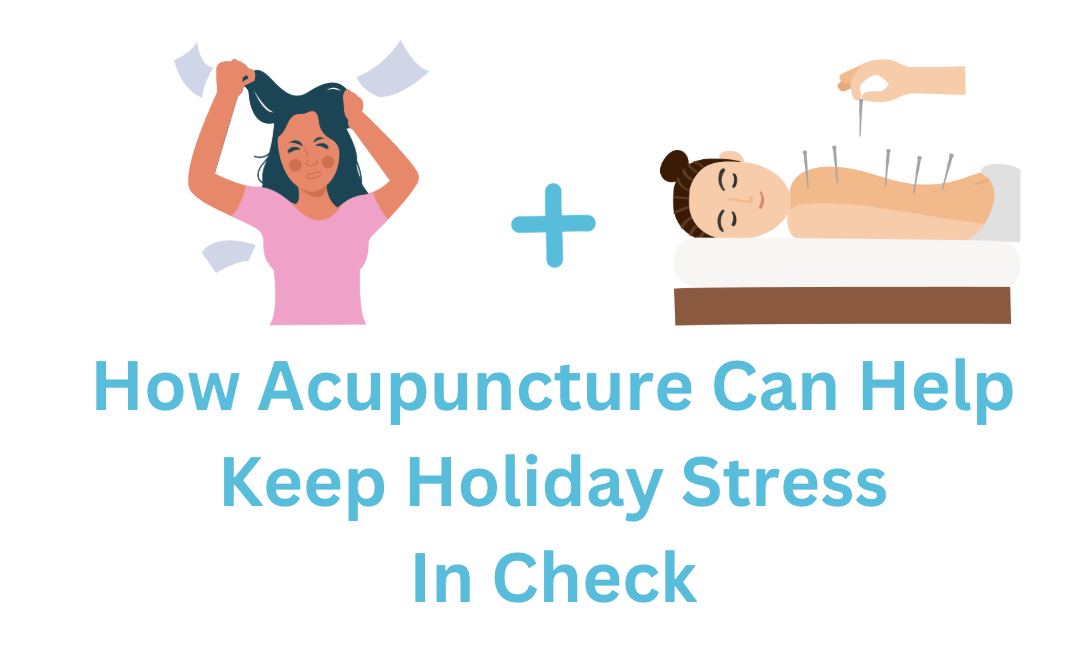
How Acupuncture Can Help With Holiday Stress

The holidays are often described as the most wonderful time of the year—but for many of us, they can also be the most stressful. Between jam-packed calendars, financial pressure, family dynamics, travel, and the pressure to create “perfect” memories, it’s no wonder that anxiety, tension, and burnout seem to spike from late November through January. What’s supposed to feel joyful can quickly become overwhelming.

At NJ Acupuncture Center, we see this every year. Our patients walk in talking about tight shoulders, restless sleep, tension headaches, digestive upset, short tempers, and feeling like they’re running on fumes. The good news? Acupuncture is a powerful, natural, and restorative way to manage holiday stress—helping you feel more grounded, calm, and present through the season.

Here’s how acupuncture supports your mind, body, and nervous system during the holidays—and why now is the perfect time to schedule a session.

1. Acupuncture Calms the Nervous System

Holiday stress has a way of pushing your body into “fight or flight” mode. Even if you’re not consciously feeling anxious, your body may be working overtime behind the scenes—raising cortisol levels, tightening muscles, quickening your heart rate, and interfering with sleep.

Acupuncture works directly with the nervous system to help you shift into “rest and digest” mode. When tiny, hair-thin needles are placed on specific calming points, your body releases natural chemicals like endorphins, serotonin, and GABA—the same neurotransmitters associated with calm and relaxation.

Many of our patients report feeling an almost immediate wave of peace during their session. Some even fall asleep on the table (and we consider that a compliment!).

By calming the nervous system, acupuncture helps create space between you and your stress. You leave feeling clearer, lighter, and less reactive to the things that normally trigger you.

2. It Eases Muscle Tension and Physical Stress

Most people carry holiday stress in their bodies:

  • tight shoulders and neck

  • back pain

  • headaches

  • jaw clenching

  • tension from long hours shopping, cooking, or traveling

Acupuncture increases blood flow, reduces inflammation, and releases tight, contracted muscles. For many, it’s like hitting a reset button.

If you experience tension headaches or migraines this time of year, acupuncture is especially helpful. By improving circulation and soothing the nervous system, it can significantly reduce both pain and frequency. For those who store stress in their jaw or grind their teeth at night, acupuncture around the face and neck can help reduce clenching and relieve the associated discomfort.

When your body feels better, your mind follows.

3. It Improves Sleep (Which You Definitely Need This Season)

Stress and sleep are deeply connected. The more stressed you are, the harder it is to fall—and stay—asleep. Poor sleep then feeds more irritability, anxiety, and overwhelm.

Acupuncture helps regulate your circadian rhythms and reduces the mental “buzz” that keeps many people awake at night. By lowering stress hormones and increasing melatonin production, acupuncture supports deeper, more restful sleep.

Even one or two sessions during the holiday season can help improve:

  • difficulty falling asleep

  • restless nights

  • waking up too early

  • feeling tired even after sleeping

Good sleep is one of the most impactful things you can do to protect your mental health—and acupuncture makes it easier to get.

4. Acupuncture Helps With Digestive Stress Too

Let’s be honest: holiday eating can be a lot. Rich meals, sweets, irregular eating schedules, alcohol, and traveling all take a toll on digestion.

Stress and digestion are also closely linked—when you’re overwhelmed, your body doesn’t break down food as efficiently, which can lead to bloating, acid reflux, constipation, and overall discomfort.

Acupuncture helps regulate digestive function by stimulating the parasympathetic nervous system and improving gut motility. Many patients experience less bloating, better regularity, and more ease in their digestion during the holidays when they incorporate acupuncture into their routine.

5. It Boosts Emotional Balance

While we often talk about stress in physical terms, it’s also an emotional season. The holidays can bring joy, but they can also stir up grief, loneliness, complicated family dynamics, or simply the pressure to keep everyone happy.

Acupuncture helps balance your emotions by regulating the flow of Qi (your body’s energy) and supporting organ systems tied to mood—especially the Liver (stress and irritability), Heart (anxiety), and Spleen (worry). Patients frequently describe feeling:

  • more grounded

  • less reactive

  • more emotionally steady

  • better able to set boundaries

  • more patient with themselves and others

This emotional support can make gatherings, travel, and even gift-giving feel less overwhelming and more manageable.

6. It Helps Strengthen Your Immune System

The combination of stress, lack of sleep, being indoors more often, and exposure to more people makes the holiday season prime time for colds and viruses.

Regular acupuncture supports immune function by increasing white blood cell activity and regulating inflammation. Think of each session as giving your immune system a gentle but powerful boost—helping your body stay strong when you need it most.

7. It Creates Space for You in a Busy Season

Perhaps one of the biggest benefits of acupuncture during the holidays is that it forces you to pause. For 45–60 minutes, your session becomes a quiet, restorative break from the rushing, planning, wrapping, and social events. It’s your moment to breathe, reset, and refill your energy.

We often hear patients say, “This is the only time I have to myself all week.”
And that alone can make a world of difference.

Ready to Feel Better This Holiday Season?

If the holidays tend to leave you feeling overwhelmed, run-down, or tightly wound, acupuncture may be exactly what your mind and body need. Whether you're navigating travel, hosting responsibilities, work stress, or simply trying to stay grounded, we’re here to help you feel your best.

At NJ Acupuncture Center, we specialize in supporting both stress relief and overall wellness—with personalized treatment plans designed around your unique needs.

Book your holiday-season appointment today, and give yourself the gift of calm, balance, and a little extra peace.

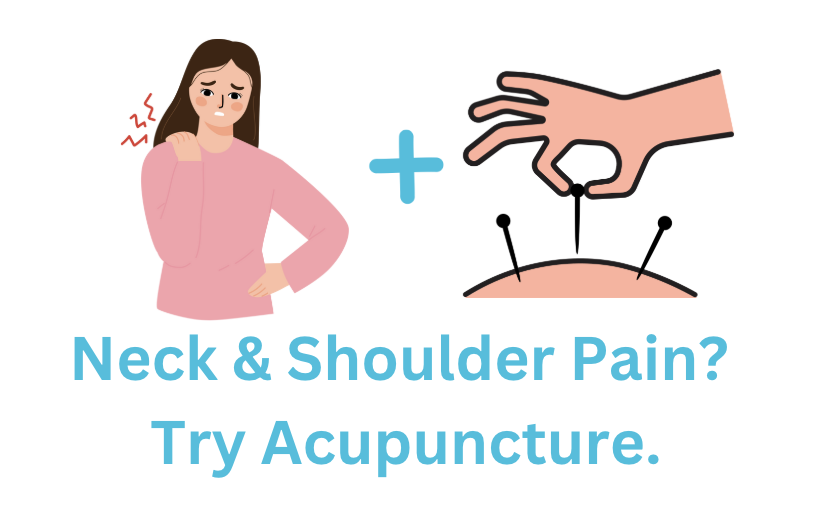
Neck and Shoulder Tension? Try Acu.

If you’ve ever caught yourself rubbing the back of your neck after a long day hunched over a laptop or scrolling through your phone (for the hundredth time), you’re definitely not alone. Neck and shoulder tension is one of the most common complaints people bring to doctors, massage therapists, and yes—acupuncturists. The good news? Acupuncture is a powerful, natural way to relieve that tension, reduce pain, and restore mobility—without needing to pop another ibuprofen.

What Causes Neck and Shoulder Tension, Anyway?

Before we get into the needles, it helps to know why this area tends to act up. Neck and shoulder tension is often the result of:

  • Poor posture (hello, tech neck)

  • Stress and anxiety

  • Injury or overuse

  • Sleep issues

  • Sedentary lifestyle

  • Jaw clenching or teeth grinding

Even seemingly minor things—like carrying a heavy bag on one side or sleeping on a lumpy pillow—can cause muscles in the upper back and shoulders to tighten up. Over time, that tightness leads to stiffness, pain, and even tension headaches or reduced range of motion.

So How Does Acupuncture Help?

Acupuncture is an ancient Chinese medicine practice that involves inserting super-thin needles into specific points on the body to restore balance and promote healing. It works on multiple levels to ease neck and shoulder tension:

1. It Increases Blood Flow

When the needles are inserted, they stimulate the body’s circulatory system and encourage fresh, oxygenated blood to flow to tight, inflamed areas. This helps relax the muscles, flush out metabolic waste, and speed up the healing process.

2. It Releases Endorphins (Your Body’s Natural Painkillers)

Acupuncture triggers the release of endorphins—feel-good chemicals that relieve pain and create a natural sense of calm. It also reduces levels of cortisol, the stress hormone, which often plays a major role in physical tension.

3. It Reduces Muscle Knots and Trigger Points

Many acupuncturists use a technique called dry needling, which targets “trigger points”—the knotty, tender spots you feel when your shoulders are tight. By needling these spots, the muscle fibers essentially reset, releasing that stubborn, stuck feeling.

4. It Calms the Nervous System

If stress is a major driver of your neck pain, acupuncture can be especially helpful. Sessions are deeply relaxing and help bring your nervous system out of “fight-or-flight” mode and into a more restorative, parasympathetic state.

5. It Improves Posture and Alignment

Some acupuncturists may pair needling with cupping, gua sha, or gentle stretching to help correct muscular imbalances that contribute to poor posture—one of the biggest culprits in chronic neck and shoulder tension.

What a Typical Acupuncture Session Looks Like

If you’re new to acupuncture, don’t worry—it’s a lot less scary than it sounds. The needles are extremely thin (about the width of a hair), and most people feel only a slight pinch or a dull pressure when they go in.

During your first session, the acupuncturist will ask about your symptoms, lifestyle, and health history before selecting specific points to target. For neck and shoulder tension, needles may be placed not just in the affected area, but also on your hands, legs, feet, and even ears—thanks to acupuncture’s whole-body approach.

After the needles are in, you’ll rest for about 20–30 minutes while your body does its thing. Many people describe the experience as calming, meditative, or even nap-worthy.

How Many Sessions Do You Need?

It depends on the severity and cause of your tension. Some people feel relief after just one session, while others need a series of treatments to address deeper or chronic issues. Your acupuncturist will create a plan tailored to your body’s needs.

As a general guideline:

  • Acute tension or injury may require 2–4 sessions over a few weeks.

  • Chronic pain or stress-related tightness may benefit from weekly sessions for a month, then maintenance treatments as needed.

Real Talk: Does It Actually Work?

Short answer: Yes.
Longer answer: Several studies have shown acupuncture to be an effective treatment for neck pain and musculoskeletal issues. A 2020 review published in BMJ Open found acupuncture significantly improved chronic neck pain compared to no treatment or usual care. And a study in The Clinical Journal of Pain reported that acupuncture reduced both the intensity and frequency of neck and shoulder pain in patients with tension-type headaches.

Of course, results can vary, and acupuncture works best when combined with lifestyle changes like posture correction, stretching, ergonomic adjustments, and stress management.

Tips for Getting the Most Out of Your Acupuncture Treatment

  • Stay hydrated after your session to help flush toxins.

  • Avoid intense exercise or alcohol immediately afterward—let your body rest.

  • Pay attention to your posture during work or screen time.

  • Consider adding gentle yoga or stretching to support ongoing muscle relief.

The Bottom Line

If your neck and shoulders constantly feel like they’ve been in a stress-induced tug-of-war, acupuncture might just be the reset button your body needs. It’s natural, non-invasive, and treats both the symptoms and the why behind the tension. And bonus—it’s also a great excuse to lie still in a dark room and do absolutely nothing for 30 minutes. Worth a try, right?

Migraine? Acupuncture Might Be Your New BFF

Did you know that nearly 28 million Americans suffer from migraines? If you're one of them, you understand how debilitating the pain, frequency, and intensity of migraines can be. That’s why we’re proud to offer acupuncture for migraine relief—a safe, effective, and holistic approach to managing migraine symptoms and improving your overall well-being.

Why Acupuncture for Migraines?

Unlike conventional treatments that often rely on medications to mask symptoms, acupuncture targets the root cause of your migraines. A recent article from the Journal Advocate highlights the growing evidence supporting acupuncture—especially when combined with chiropractic care—as a powerful tool in managing migraines.

According to the article:

“The most common treatment for migraine involves drugs and medications that cause a number of unpleasant side effects like nausea, dizziness, fatigue, and drowsiness. These medicines just suppress the symptoms of migraines; they do not eliminate the root cause of the problem. Thus, if the patient stops taking the medicines or forgets to take them on time, the attacks return and are often more severe in nature.”

A Holistic, Drug-Free Migraine Solution

At our clinic, we take a whole-body approach to migraine relief. Acupuncture helps to:

  • Restore the body’s natural balance of qi (energy)

  • Stimulate healthy circulation

  • Reduce inflammation

  • Promote relaxation and lower stress levels

  • Trigger the release of feel-good hormones like endorphins

This natural approach can make your migraines more manageable and improve your overall quality of life—without the side effects of medication.

Ready to Try Acupuncture for Migraine Relief?

If you or someone you love suffers from chronic migraines and hasn’t yet explored acupuncture, now may be the perfect time. A migraine-free future could be just one treatment away.

What is Cryo Slimming?

By now you may have heard of cryo therapy, aka using extremely cold temperatures to promote healing and wellness.

Cryo Slimming

But what about cryo slimming?

We are proud to now offer cryo slimming into our family of wellness tools, and here is how it can help you.

Contrary to other machines and facilities, our approach to cryo slimming is different and works without chemicals or high-intensity ultrasounds. We use only thermal shock, which works to preserve the surrounding non-fat tissue, resulting in a much more dramatic slimming effect.

The device we use is incredibly safe (or else we wouldn’t use it!) and each session lasts about 30 minutes while the therapy alternates between heat, a long period of cold, and then heat again. This is all done manually by our highly trained technician and feels great, similar to a firm massage.

Results will vary a bit from client to client, but both . scientific research and clinical trials have proven that cryo therapy reduces fat cells. Fat cells are destroyed during the treatment, and most are then eliminated from the body within 2-3 weeks.

We typically will provide treatment once every two weeks, as we are careful to allow enough time for thorough elimination and your metabolism to send the fat cells out.

Depending on your diet and lifestyle, results can be quite long-lasting, even years!

Though, for facial or a cellulite specific treatment, we recommend treatment once a month and can even schedule all your desired sessions in advance to streamline things a bit and ensure consistency.

Our approach to cryo slimming targets deep layers of the skin, and can be used as an anti-aging treatment too as it revamps and stimulates collagen production while leaving the face looking and feeling firm, plump, youthful and rejuvenated. We can even target specific wrinkles or blemishes for a more precise application, and clients will typically see and feel results right away, with the best results achieved after 4-8 sessions.

If you’re interested in giving our latest treatment offering a try, don’t wait! Contact us for a free consultation today!


Dry Mouth or Eyes? It Could Be Sjögren's Syndrome, And Acupuncture Can Help

If you’re a woman in your forties or fifties and, for the first time, you start battling chronic dry mouth or dry eyes, you might have Sjögren’s Syndrome.

And while Sjögren’s is much more prevalent in women around that middle age, it can affect folks of any gender and age group. Anywhere from half a million to 3 million people in the United States are affected by Sjögren’s, and it’s much more serious than simply having a dry mouth and dry eyes (though those symptoms aren’t fun in their own right).

Sjögren’s is an autoimmune disorder, and is often accompanied by other immure system issues like rheumatoid arthritis and lupus. The disorder is a result of our body’s immune system mistakenly attacking your own cells. The first targets are usually the glands that create our tears and our saliva, thus the first signs being dryness. However, it can also do damage to other parts of the body like the kidneys, joints, thyroid and lungs, and can cause illnesses to those areas.

Many people treat Sjögren’s with autoimmunity medication, but given that the root cause of the disorder lies within our own body’s ability to heal itself, acupuncture is the perfect treatment. And now researchers in Shanghai have conducted a study proving that acupuncture and herbs treat Sjogren’s and reverse the symptoms much more efficiently and effectively than narcotics.

Subjects who were administered acupuncture not only reported that they felt better, but the data backed it up. Blood samples showed that in the patients who received acupuncture and herbs, the proper levels of immunoglobulin and other important factors were met.

Without the need for narcotics, the serve dry mouth and eyes and further complications brought about by Sjögren’s syndrome can be reversed. If you know anyone who suffers from Sjögren’s or any other autoimmune disorders, let them know that acupuncture is here to help.

Acupuncture Doesn't Just Help Cancer Patients, But Caregivers Too

Learning that a loved one has been diagnosed with cancer can be one of the most difficult things for someone to experience. It not only changes the life for the person who is fighting the battle themselves, but it can radically alter the life of those closes to them.

Depending on each situation, close family or friends may have to take a lot of time out of their schedule to help care for their loved one. Often times, caregivers can put forth such an effort in taking care of their loved one that their own self-care gets ignored. This can lea to a snowball effect, causing emotional stress as well as pain and discomfort.

The benefits of acupuncture for cancer patients reach far and wide. But it can also do wonders for those who are taking care of cancer patients, whether professionally or for somebody close to them. Tamera Anderson-Hanna, herself a cancer survivor, wrote on CureToday.com about her experiences as a caregiver for family who were also diagnosed with cancer, and how acupuncture became a crucial part of her self-care regimen.

Most of her discomfort was emotional, as she explains, “I was definitely experiencing stress with the news of family members being diagnosed with cancer after the new year and have found acupuncture has helped me to experience improved sleep and feeling less stressed as a caregiver.”

But as we know, emotional stress also takes its toll on the physical body. Tamera’s acupuncturist also treated her neck, which is where she was carrying most of her stress. Acupuncture helped Tamera “sleep better at night, assists in experiencing less pain or tension in my body and allows me to redirect my energy to a more positive focus and perspective, thus having more good energy.”

If you or anyone you know is experiencing emotional or physical distress from taking care of someone else, acupuncture isn’t just there for those who have been diagnosed with an illness. Caregivers must ensure they’re taken care of as well.

#SkinGoals: Jessica Alba's Acupuncture Facial

We’ve posted a bunch of times on the benefits of facial acupuncture, also known as an “acupuncture facial.”

But if you haven’t been sold, maybe a bit of celebrity testimonial will help.

Just last week, actress Jessica Alba (who has a seriously gorgeous complexion) posted to a selfie to her Instagram story that further sparked the conversation of acupuncture for the face.

Women’s Health reports that Alba received the facial at Los Angeles based spa The Thing We Do, and went on to explain the potential benefits of the procedure.

Contrary to what many may think, “acufacials” are a painless way to enhance and clear your complexion, fight signs of aging, and give a more relaxed yet lifted look.

How?

By increasing circulation while balancing qi, the tiny acuneedles can also increase and boost collagen production which in turn helps to plump your skin reducing the appearance of wrinkles and fine lines that tend to worsen with age.

Additionally, acufacials can also help to combat acne by promoting healing and reducing swelling, too.

While more and more women (and men!) are turning to invasive procedures including Botox and even as far as facelifts, it’s definately work it to give acufacials a try first. They’re much more affordable, far less invasive, and the results are often instant (yet require some maintenance for lasting results.)

So, why not check out our popular acufacial today? Call to schedule an appointment, and you’ll be in good company. Aside from Jessica Alba, other facial acupuncture fans include Jennifer Aniston, Madonna, Angelina Jolie, and Gwenyth Paltrow!

I

How Acupuncture Can Help Those With Diabetes

Approximately 1.5 million people in the United States are diagnosed with diabetes every year, with about 30 million people suffering from it across the country. Chances are we all know somebody directly or indirectly who is living with diabetes.

For those who are unaware, diabetes is a disease that causes the body to be unable to properly process food to be used as energy. The result of this inability is a buildup of sugar in the blood. These high glucose and low insulin levels can lead to a number of symptoms that affect daily life, like fatigue, frequent urination, frequent hunger and thirst, and weight loss.

There are medications available that diabetics can take to help ease the burden brought on by these symptoms, but there’s also a holistic, safe and effective way to treat many of the side effects too—acupuncture.

A study in Beijing found that consistent acupuncture lowers glucose levels, increases insulin levels, and improves glucose intolerance, which all combines to keep symptoms in check. In particular, “low intensity and low-frequency electroacupuncture could help in reducing insulin resistance and increasing insulin sensitivity,” says Medical News Today. And, in 2015, a study showed that acupuncture treatment combined with an anti-diabetic medication called metformin produced better results for patients than just taking the medication alone.

Of course, there is no cure for diabetes, and those who live with it will always have to consider the best diet and treatment options for their specific case. But acupuncture can play a role in making dealing with diabetes just a little bit easier.

Vocal Issues? Let Acupuncture Clear Those Pipes

You yourself may not be a singer, actor, or have to speak publicly as part of your career, but our voices are super important to us nonetheless. And one in 10 adults will at some point be effected by some sort of voice disorder caused by overuse. Polyps, lesions and other conditions brought upon by overuse and strain on the vocal chords can be painful to deal with, and also take a toll on our public lives. You don’t realize how essential your voice is to everything until it starts being taken away.

Most voiceover can only be treated through a surgical procedure, which is costly, invasive and can lead to post-operate scarring and other side effects. Thankfully, it’s not quite true that these disorders can only be treated by surgery. That’s just what most folks think.  

A study led by the University of Hong Kong and in collaboration with McGill Univeristy and the University of Pittsburgh explored the use of acupuncture to treat voice disorders rather than the patient receiving surgery.  Specifically, the study says: “…acupuncture has short-term anti-inflammatory effects on patients with vocal nodules – a disease caused by phonotrauma, where the vocal fold is injured due to phonation.”

Unsurprisingly to us, acupuncture was deemed to be effective at treating these nodules and potentially eliminating the need for surgery. Why was this unsurprising? Vocal disorders from overuse are usually caused by inflammation in the vocal chords. Acupuncture is known to be one of the most safe, effective and long-lasting natural treatments for inflammation of all kinds. Just because the inflammation happens to be in the throat doesn’t change that fact. The same can be said for wound healing, for lesions on the vocal chords.

So don’t wait until you’re struggling through your big gig, presentation, maid of honor speech or karaoke night. If you’re struggling with voice issues, think about how acupuncture can help you return to vocal clarity.

Acupuncture for Psoriasis

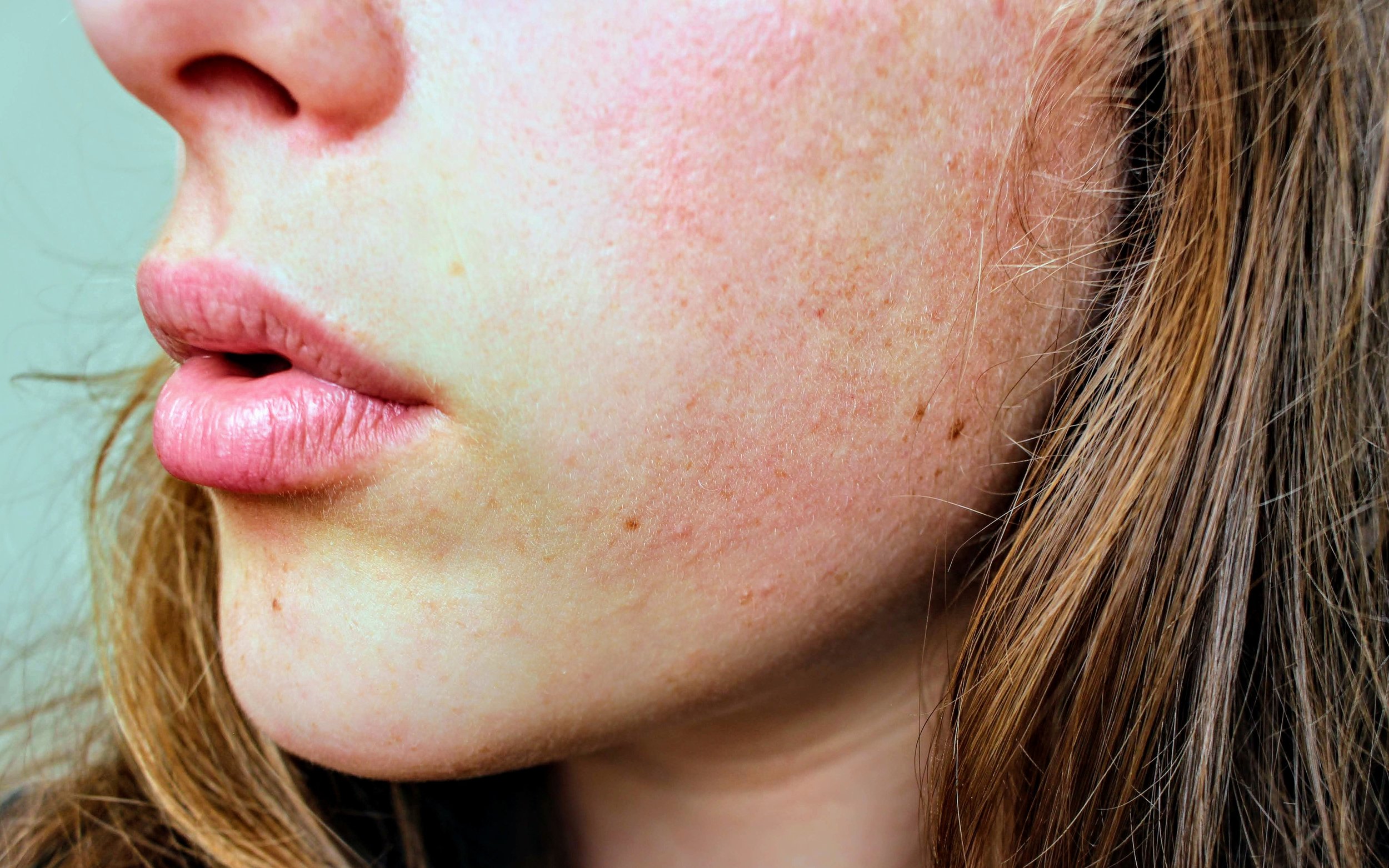
Dry, flaky or itchy red spots on the skin are an unfortunate dermal condition that affects up to 7.5 million Americans.

face-hair-human-1138531 (1).jpg

More common amongst adults but also known to afflict children too, its caused by rapidly multiplying skin cells that result in a build up of the dying cells beneath the skin’s surface. Typically, it looks like raised and red plaque with white scales ans is commonly found on the knees, elbows and scalp but can also affect other parts of the body.

Though frustrating and uncomfortable, there are a variety of treatments — mostly topical, — that can help to treat plaque psoriasis. But before you head to the pharmacy, you just might want to try acupuncture first.

According to a systemic review published in JAMA Dermatology as explained by Healio, alternative therapies are sought by up to 51% of patients with psoriasis. Popular among them — acupuncture.

Upon reviewing articles published between 1991 . and 2017, researchers shared the following findings:

  • “one meta-analysis that concluded acupuncture improved psoriasis.

  • three randomized clinical trials that found meditation and guided imagery therapies showed modest efficacy in psoriasis treatment.

  • five randomized clinical trials that concluded topical indigo naturalis application significantly improved psoriasis treatment.

  • three randomized clinical trials that found curcumin provided statistically and clinically significant improvements in psoriasis plaques.

  • 20 studies that concluded that though fish oil treatment was not effective in randomized clinical trials in treating psoriasis, fish oil was effective when used daily.”

The powers of holistic therapy are nothing new, but any time the healing power of acupuncture and other noninvasive therapies are discovered, it’s worth celebrating.

If you are struggling with psoriasis or any other frustrating skin conditions, schedule an appointment with us today!

How Acupuncture Can Help Lupus Patients

bed-blanket-blur-1243364.jpg

Systemic Lupus Erythematosus (SLE) is a form of the autoimmune disease also known as Lupus.

A difficult and often frustrating autoimmune disease, Lupus affects nearly 1.5 million people across the US with symptoms including inflammation, pain and tissue damage.

Patients are often willing to try anything to combat their symptoms and restore their immune systems. Thankfully, acupuncture can play a significant role in their efforts.

A recent article by Very Well explains how the ancient art of acupuncture just might help a Lupus patient.

It’s long been believed (and proven) that acupuncture can help reduce inflammation and pain by improving circulation and the proper flow of qi, and this can be especially importnat for someone with a Lupus diagnosis.

In fact, the 2008 study entitled 'Acupuncture for Systemic Lupus Erythematosus: A pilot study RCT feasibility and safety study' published in Sage Journals examined the role of acupuncture as a means of pain treatment within the Lupus population.

Twenty four patients with the SLE manifestation of Lupus were given either standard acupuncture treatment, acupuncture treatments performed with less needles, or to remain on their existing treatment plan without treatment.

The results?

“At the end of the trial, 40% of the patients in both the standard acupuncture treatment group and the minimal needling group experienced an improvement in their pain levels of at least 30%.”

Interestingly but perhaps unsurprisingly, “the group that remained on their usual care plan reported no improvement in their pain levels.”

Ultimately, “the study concluded that acupuncture is a valid, safe and effective method to treat pain in patients with SLE.”

If you hare struggling with a lupus diagnosis and the pain, inflammation and malaise that can typically come with it — you’re not alone. Let NJ Acupuncture Center help.

PCOS + Acupuncture

While it’s well understood that acupuncture can help a variety of ailments, many women may not know that the treatment can be especially helpful in treating Polycystic Ovarian Syndrome, commonly known as PCOS.

The syndrome, which is unfortunately common — affecting about 1 in 10 women of childbearing age — causes irregular periods, polycystic ovaries, and excess androgen levels. It can lead to infertility, pain, diabetes, depression/anxiety, abnormal bleeding and more.

Thankfully, acupuncture can help, and a new study further supports the notion.

beautiful-blur-blurred-background-733872.jpg

A recent study released by the Maternal and Child Healthcare Hospital of Hengfeng County China is explained via HealthCMi, Healthcare Medicine Institute.

In the study, researchers compared the efficaciousness of acupuncture and drug therapy and found incredibly encouraging results.

Within the study, 124 women who had been diagnosed with infertility because of PCOS participated, with the control group receiving conventional drug therapy, and the study group receiving both drug therapy and acupuncture treatments.

As outlined in the study, women who received acupuncture therapy received the treatment at the following points:

  • Baihui (GV20) – raises yang and benefits qi

  • Tianshu (ST25) – raises clear yang qi and descends turbid fluids

  • Qihai (CV6) – supplements the kidneys, benefits essence and original qi

  • Guilai (ST29) – regulates blood flow and menstruation

  • Geshu (BL17) – tonifies qi and blood

  • Xinshu (BL15) – invigorates blood and calms shen

  • Shenshu (BL23) – tonifies the kidneys and nourishes essence

  • Pangguangshu (BL28) – regulates the lower burner, warms yang, and promotes the transformation of qi

The results?

Women who received both treatments showed improvement in, "regulation of hormone levels and ovarian blood flow, which are significantly greater improvements than using only conventional drug monotherapy.”

Overall, it’s safe to say that, “acupuncture has the potential to improve clinical outcomes for women with PCOS when combined with usual care.”

If you are struggling with PCOS or other female reproductive health issues, NJ Acupuncture is happy to help. Call the center to begin treatment today.


Acupuncture for the Aging

One of the inevitable, often dreaded but yet beautiful aspects of life is the physical process aging and the gift of getting older.

adult-affection-baby-302083.jpg

Though it means we’ve been blessed with the gift of longevity, there are some inevitable aches, pains, physical changes and other maladies that can come along with it, too.

Luckily, acupuncture can help.

We’ve already outlined how acupuncture for anti-aging beauty can be powerful here.  Considered an all-natural facelift of sorts, it can take the place harsh chemicals and restore your skin to a more youthful state. But what else can it do for the aging? 

Acupuncture can actually help with most complaints from seniors, including sleep issues, muscle pain and tension, arthritis, energy, mobility and mood.

Explained in this article on Chinese Medicine Living, as we age we see a gradual decline in our “Jing” which is considered to be the vital energy, or life source we all embody. It is believed that we are only born with a finite amount, and lifestyle can impact how and when it is used, and whether it’s used “wisely.”  Acupuncture treatment can help to reduce the loss of Jing which can cause symptoms of premature aging, thus potentially improving your vital energy.

Additionally, acupuncture is considered extremely safe in the aging.  Many senior citizens may find themselves taking various medications to treat medical conditions that have arisen through the years — but unlike other conventional or pharmaceutical interventions, you don’t have to worry about any potential interactions when it comes to acu.

Unfortunately, many seniors are often finding themselves alone, with feelings of loneliness or isolation. So, an acupuncture regimen with a friendly practitioner can also help to provide a bit of the social and emotional connection they have been longing for.

If you are or happen to know a senior who might benefit from acupuncture to help improve their daily life — call to schedule an appointment today!


The Versatile Benefits of Acupuncture

Acupuncture is becoming more and more popular around the world as its wide-ranging benefits become more well-known. But exactly how many different disorders and diseases can acupuncture treat? While the number is by no means exact or binding, the World Health Organization currently recognizes acupuncture as an effective treatment for 47 diseases.

adult-beard-blur-810775.jpg

Many people seek out acupuncture as a treatment for general pain. But that pain is usually associated with a larger disease or disorder that is acting as the root cause. Those diseases are too often treated with medications that, while come can be effective, many times bring about a whole set of negative side effects as well. And we’ve learned more and more about the addictive properties of opioids, which many people are prescribed to treat all sorts and levels of pain.

“A lot of people are seeking a natural treatment in order to reduce the number of medications they take,” says Ning Qian, licensed acupuncturist with the Texas State Board of Medical Examiners who has been performing acupuncture for decades.

Qian treats patients who have consistently dealt with what are considered common illnesses, such as sinusitis, the flu, allergies and tonsillitis, as well as diseases and disorders like Parkinson’s Bell’s palsy, hypertension and more.

The fascinating and thing about acupuncture is that it doesn’t input anything into our body that isn’t already there. That’s why it is both such a safe and versatile treatment. Licensed acupuncturists know the body’s 360 major acupoints and which ones need to be stimulated based on the patient’s pain or disease they may be suffering from.

“When the needle is placed into the acupoint,” Ning says, “it allows blood and energy to flow into the targeted area.”

Acupuncture is also beneficial to people who haven’t been diagnosed with any disease or disorder, but want to increase their day to day energy and vitality. Qian treats patients who have consistently dealt with what are considered common illnesses, such as sinusitis, the flu, allergies and tonsillitis, as well as diseases and disorders like Parkinson’s Bell’s


How To Find Out if Acupuncture is Covered By Your Insurance

business-money-pink-coins.jpg

Medical bills and dealing with insurance companies can often be quite stressful, to say the least. When trying to find a holistic treatment that can help solve an array of. Different maladies and symptoms, it can be even more frustrating. To help, here are some helpful tips that can make navigating the process a bit easier, and hopefully lead to a resolution.

Know The Terms

This may sound simple, but so many people are not aware of what. Is considered a covered expense, and what is not. Terms like “in network”, “out of network”, “deductible” and “out of pocket max,” are also enough to make your head spin.

This might help:

In-Network: A provider has agreed to join the network of providers for your specific insurer, and accept their rates/amounts for services.

Out of Network:  A provider who does not accept the plan or insurer and often is not covered, or is covered at a lesser amount that is reimbursable.

Deductible: A deductible is a specific dollar amount that your health insurance company may require that you pay (of your own money) each year before your plan starts to make payments for claims. But, not all health plans require a deductible. Most of the. Time, HMO plans typically do not require a deductible, while most Indemnity and PPO plans do. (So it’s important to know which one you have.)

Out of Pocket Max: A set figure that once. You have met, you no longer have to pay your own money for any covered services within that specific year.

Ask Your Provider & Insurer

Next, what’s most important is to first ask your desired acupuncture provider if they, in fact, even accept insurance. (NJ Acupuncture Center does!) Then, ask if they “take” and are “in or out of network” with your specific plan. If they are out of network, it is then important to call your insurance company (or check your coverage online) to see if they provide any coverage or reimbursement for out of network services. If not, it can never hurt to ask your preferred provider if they offer any special rates or discount specifically for cash-pay, or uninsured patients.

It’s also really  important to know where you stand with your deductible. If it has been met, then your coverage has kicked in. If it hasn’t yet, you might be responsible to pay in full for services until it is met. What’s even better, is if by chance your out of pocket maximum has been met, then you may not have to pay anything for the remainder of the calendar year.

For any insurance questions or concerns, we are always more than happy to help navigate and find out your coverage for you! 

Acupuncture shown to restore facial movement in stoke patients

According to the U.S. Centers for Disease and Prevention, stroke is the third leading cause of death in the United States. 140,000 people in the US each year die due to a stroke. However, there are many different levels of stroke, and not all are fatal. In fact, stroke is the leading cause of serious, long-term disability in the country.

brain-001-1172516.jpg

Strokes occur due to restricted blood flow to the brain. When that happens, oxygen is cut off and can’t reach the brain. Depending on the level of the stroke, even a survivor may incur physical ailments as a result of the episode. These include numbness, soreness, muscle weakness and more. One common side effect is facial paralysis, one that can have a very long lasting and difficult, day-to-day impact on health and quality of life.

Thankfully, a recent study shows that one treatment in particular can help restore facial movement in stroke patients: acupuncture.

In fact, it’s a combination of acupuncture treatments that was deemed most successful. Fujian Ningde Hospital in China conducted a study of 60 patients diagnosed with post-stroke paralysis over a two-year period. All patients were administered body acupuncture, while half of the group were administered an additional acupuncture procedure to the scalp.

It’s not surprising that the body acupuncture was found to be quite successful on its own. The results of the study showed a 71% effective rate for those who received only the body acupuncture. But the addition of the scalp acupuncture raised the effective rate to just over 93%. The combination of the two was shown to bring back facial movement in nearly every patient.

“In related findings, laboratory research confirms that acupuncture supports brain repair after a stroke,” the study notes. “Yang et al. note that acupuncture “promote[s] the proliferation and differentiation of neural stem cells in the brain.”

Acupuncture is a safe, non-invasive and effective way to treat many stoke side effects, including one of the most common and life-altering.

Aches and pains? Ditch the Ibuprofen.

We all know the feeling. Maybe you slept in the wrong position, or upped your physical exertion in an effort to exercise more. Maybe you banged a knee or elbow playing a sport or stretched too far while horsing around with your kids. Or maybe you’re just getting old (it happens!). Worse off, those who complain about consistent aches and pains may suffer from arthritis.

pexels-photo-143654.jpeg

It’s almost like second nature for many of us to head straight to the medicine cabinet and grab for the ibuprofen bottle. Pop a few in and go on with your day. The problem is that medications like ibuprofen only address the symptom and don’t have any regenerative ability. While tears and serious injuries may require surgery and/or physical therapy, the root cause of every day aches and pains can get worse if only treated with something like ibuprofen and physician prescribed pain killers (not to mention the addictive properties of the latter).

Thankfully, there is another way—acupuncture. And a recent study performed in China has put some data behind what is becoming more commonly known; that aside from being the safer, natural alternative, acupuncture is more effective at treating arthritis than ibuprofen.

Researchers at Yueyang Hospital sampled 80 patients who suffer from arthritis, administering either ibuprofen or a combination of acupuncture and tui na massage. The second group received acupuncture treatment daily for 20 minutes for 20 days, followed by a 20 minute massage treatment. The acupuncture and tui na treatments were successful in 90% of patients as opposed to 87% in the ibuprofen group – a small but meaningful difference given the safety and holistic differences in the two approaches.

A further study showed that of acupuncture and tui na, acupuncture was the more meaningful and effective of the two treatments for arthritis. We figured!