
Managing Shift Work and Sleep Deprivation: An Acupuncture Approach

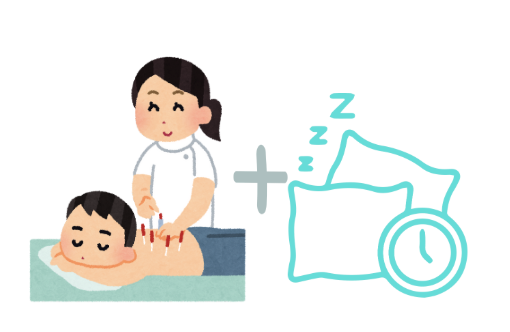
If you work nights, rotating shifts, or long, unpredictable hours, you already know how hard it is to get consistent, quality sleep. One week you’re up before sunrise, the next you’re trying to fall asleep while the rest of the world is wide awake. Over time, that disruption adds up.

Shift work doesn’t just leave you feeling tired—it can affect your mood, focus, immune system, and overall health. And while coffee and powering through might get you by in the moment, they don’t solve the root issue.

The key isn’t just getting more sleep—it’s helping your body learn how to rest again.

Why Shift Work Disrupts Your Body

Your body runs on an internal clock, often called your circadian rhythm. It tells you when to feel alert and when to wind down. But when your schedule constantly changes, that rhythm gets thrown off.

Common effects of shift work include:

  • Difficulty falling or staying asleep

  • Waking up feeling unrefreshed

  • Brain fog and slower reaction time

  • Increased irritability or anxiety

  • Low energy, even after resting

Over time, this ongoing disruption can impact everything from digestion to immune function.

The Stress-Sleep Cycle

Sleep and stress are closely connected—and shift work often affects both.

When your body is overtired, it produces more stress hormones to keep you going. But those same hormones can make it harder to relax when it’s finally time to sleep.

This creates a cycle:

  • You’re tired but wired

  • You struggle to fall asleep

  • You wake up still exhausted

  • You rely on stimulation to get through the day

Breaking that cycle requires more than just trying to “sleep harder.” It requires resetting how your body responds to stress and rest.

How Acupuncture Helps Reset Sleep Patterns

Acupuncture supports the body by helping regulate internal systems—including the nervous system, which plays a major role in sleep.

Here’s how it can help:

1. Calms the Nervous System

Acupuncture helps shift your body out of a constant alert state and into a more relaxed one. This makes it easier to fall asleep and stay asleep, even when your schedule isn’t perfect.

2. Supports Natural Sleep Cycles

While your schedule may vary, your body still benefits from rhythm. Acupuncture can help reinforce your body’s ability to recognize when it’s time to rest and recover.

3. Reduces “Tired but Wired” Feeling

If you’ve ever felt exhausted but unable to shut your mind off, you’re not alone. Acupuncture helps regulate stress hormones, making it easier to unwind when you need to.

4. Improves Sleep Quality

It’s not just about how long you sleep—it’s about how restorative that sleep is. Many people notice deeper, more refreshing sleep after consistent treatments.

5. Boosts Energy Without Stimulants

When your body is better rested, your energy improves naturally. Instead of relying on caffeine or quick fixes, you feel more balanced throughout your shift.

Supporting Your Body Between Shifts

In addition to acupuncture, small changes can help support better rest:

  • Keep your sleep environment as dark and quiet as possible

  • Limit screen time before trying to sleep

  • Stay consistent with sleep and wake times when you can

  • Avoid heavy meals right before bed

  • Give yourself time to unwind, even if it’s brief

Even small adjustments can make a difference when your schedule is demanding.

A Smarter Way to Handle Shift Work

You may not be able to change your schedule—but you can support how your body responds to it.

Acupuncture offers a natural, effective way to help regulate sleep, reduce stress, and improve overall function—even in the face of irregular hours.

It’s not about perfection. It’s about helping your body adapt, recover, and perform better over time.

Shift work and sleep deprivation are tough—but they don’t have to define how you feel every day. With the right support, your body can learn to rest more effectively, recover more fully, and handle the demands of your schedule with greater ease. Acupuncture is one tool that helps make that possible—so you can feel more like yourself, no matter what shift you’re on.

How Acupuncture Helps First Responders Manage Stress and Stay Sharp

How Acupuncture Helps First Responders Manage Stress and Stay Sharp

First responders don’t get the luxury of “off days.” Whether you’re a police officer, firefighter, EMT, or paramedic, your job demands quick thinking, physical endurance, and the ability to stay calm under pressure—often in high-stakes situations.

But that constant state of alertness comes at a cost.

Over time, chronic stress can impact your focus, energy, sleep, and overall health. And while pushing through might feel like part of the job, it’s not a long-term solution. Supporting your body and mind isn’t a weakness—it’s what allows you to keep showing up at your best.

That’s where acupuncture comes in.

The Hidden Toll of High-Stress Work

First responder roles are physically and mentally demanding in ways most people don’t fully understand. Long shifts, unpredictable schedules, and repeated exposure to high-adrenaline situations can take a serious toll.

Common challenges include:

  • Ongoing muscle tension and physical strain

  • Poor or inconsistent sleep

  • Mental fatigue or brain fog

  • Increased anxiety or irritability

  • Burnout and emotional exhaustion

Even when you feel “fine,” your nervous system may still be running in overdrive.

Why Stress Affects Performance

In high-pressure jobs, your body is constantly switching into fight-or-flight mode. This response is useful in emergencies—but when it becomes your default state, it can start working against you.

Chronic stress can:

  • Reduce mental clarity and decision-making speed

  • Disrupt sleep and recovery

  • Increase inflammation and physical discomfort

  • Make it harder to stay calm and focused under pressure

To stay sharp, your body needs balance—not just adrenaline.

How Acupuncture Supports First Responders

Acupuncture works by stimulating specific points on the body to help regulate internal systems and restore balance. For first responders, it offers a way to reset both physically and mentally—without medication or downtime.

Here’s how it helps:

1. Helps Reset the Nervous System

Acupuncture encourages your body to shift out of constant “fight-or-flight” mode and into a more relaxed, restorative state. This helps reduce stress hormones and allows your system to recover more effectively.

2. Improves Focus and Mental Clarity

When your body isn’t overloaded with stress, your mind functions more clearly. Many people notice improved concentration, faster thinking, and better overall mental performance.

3. Supports Better Sleep

Sleep is one of the first things to suffer in high-stress roles. Acupuncture can help regulate sleep patterns, making it easier to fall asleep, stay asleep, and wake up feeling more rested.

4. Relieves Physical Tension and Pain

From tight shoulders to lower back strain, physical wear and tear is common in the field. Acupuncture helps release muscle tension, improve circulation, and support faster recovery.

5. Helps Manage Stress and Emotional Load

First responders often carry more than just physical stress. Acupuncture can help regulate mood, reduce anxiety, and create a sense of calm that carries over into daily life.

Staying Sharp Means Taking Care of Yourself

Being “on” all the time isn’t sustainable without support. The ability to stay focused, make quick decisions, and perform under pressure depends on how well your body is able to recover in between.

Acupuncture isn’t about slowing you down—it’s about helping you function better.

Many first responders incorporate it into their routine to:

  • Improve recovery between shifts

  • Maintain energy levels

  • Stay mentally clear and focused

  • Reduce long-term physical strain

What to Expect

If you’ve never tried acupuncture before, you might be surprised at how relaxing it feels. Sessions typically last 30–60 minutes, and most people experience a sense of calm during and after treatment.

There’s no downtime, and over time, the benefits can build with consistency.

The Bottom Line

You spend your days taking care of others—making fast decisions, handling pressure, and showing up when it matters most. But your health matters, too.

Acupuncture offers a natural, effective way to manage stress, improve focus, and support your body for the long run.

Because staying sharp isn’t just about pushing through—it’s about taking care of what keeps you going.

How Acupuncture Helps Relieve Chronic Pain — Naturally

If you’re living with chronic pain, you know how it can take over your life. That dull, constant ache in your back, the tension in your neck, or the stiffness in your joints can wear you down — physically and emotionally.

While medications and injections can offer temporary relief, more people are now turning to acupuncture for chronic pain as a natural, long-term solution. Instead of masking symptoms, acupuncture helps the body heal itself — restoring balance, reducing inflammation, and calming the nervous system.

What Is Acupuncture and How Does It Work?

Acupuncture is a cornerstone of Traditional Chinese Medicine (TCM) and has been practiced for thousands of years. It involves inserting very thin, sterile needles into specific points on the body — known as acupuncture points or “acupoints.”

These points lie along energy pathways called meridians, which connect to different organs and systems in the body. According to TCM, energy — or Qi (pronounced “chee”) — flows through these meridians, maintaining health and harmony. When this energy is blocked or unbalanced, pain and dysfunction can occur.

Modern research supports acupuncture’s effectiveness from a biological perspective too. Scientists have found that acupuncture stimulates nerves, muscles, and connective tissue, increasing blood flow and triggering the release of natural pain-relieving chemicals in the brain.

How Acupuncture Helps with Chronic Pain: The Science

Acupuncture’s effects on chronic pain go far beyond relaxation. Here’s how it works — in both ancient and modern terms.

1. Stimulates Natural Painkillers

One of the main reasons acupuncture helps relieve chronic pain is because it encourages the release of endorphins and enkephalins, your body’s natural painkillers. These neurotransmitters block pain signals and boost feelings of calm and well-being.

Studies using MRI imaging show that acupuncture activates the same brain regions affected by opioid medications — but without the risk of dependency or side effects. Many patients describe a “floating” or deeply relaxed feeling after treatment.

2. Improves Blood Flow and Reduces Inflammation

Inflammation is one of the biggest culprits behind chronic pain. Whether from arthritis, injury, or overuse, inflamed tissues can irritate nerves and limit mobility.

Acupuncture improves circulation, bringing oxygen and nutrients to the affected areas and promoting faster healing. It also helps flush out metabolic waste and reduce inflammatory markers in the body. This is why many people notice reduced swelling, less stiffness, and improved range of motion after regular sessions.

3. Calms the Nervous System

Chronic pain often keeps the body stuck in “fight or flight” mode, where the sympathetic nervous system is constantly activated. This stress response heightens muscle tension and amplifies pain signals.

Acupuncture activates the parasympathetic nervous system — the “rest and digest” state — helping your body relax and reset. This shift can lower heart rate, reduce cortisol (the stress hormone), and ease both physical and emotional tension. Over time, the nervous system learns to respond more calmly, which can lower overall pain sensitivity.

4. Interrupts Pain Pathways in the Brain and Spinal Cord

Recent research using functional MRI scans shows that acupuncture affects how the brain and spinal cord process pain. By stimulating certain points, it “closes the gate” on pain signals, reducing their intensity before they even reach the brain.

For people with long-term pain — where the brain has essentially learned to keep producing pain signals — acupuncture helps “retrain” that pattern. It’s like resetting your body’s pain alarm to a normal level again.

Types of Chronic Pain Acupuncture Can Help

Acupuncture can be beneficial for a wide range of chronic pain conditions, including:

  • Back and neck pain

  • Arthritis and joint pain

  • Migraines and tension headaches

  • Fibromyalgia

  • Shoulder and knee pain

  • TMJ (jaw pain)

  • Sciatica

  • Carpal tunnel syndrome

  • Chronic muscle tension and stiffness

Both the World Health Organization (WHO) and National Institutes of Health (NIH) recognize acupuncture as an effective therapy for chronic pain management. It’s now offered in many hospitals and integrated health clinics as part of holistic treatment plans.

What to Expect During Acupuncture Treatment for Pain

If you’ve never tried acupuncture before, rest assured — it’s gentler than you might think. The needles are hair-thin, sterile, and designed to glide just below the skin. Most people barely feel them, and many even fall asleep during sessions.

At your first appointment, your licensed acupuncturist will take a detailed health history, discuss your pain symptoms, and develop a personalized treatment plan. Depending on your condition, you’ll relax with the needles in place for about 20–30 minutes.

You might feel a mild tingling, warmth, or heaviness at the needle sites — a sign that your body’s energy and circulation are shifting. Afterward, most people report feeling relaxed, refreshed, and often notice less tension or stiffness.

How Many Acupuncture Sessions Will You Need?

The number of sessions varies based on your condition and how long you’ve been experiencing pain. Some people feel relief after one or two treatments, while others benefit most from a series of weekly sessions over several weeks.

Because chronic pain develops gradually, lasting relief often takes a little time and consistency. Your acupuncturist may adjust your plan as your pain levels change and healing progresses.

Why Choose Acupuncture for Chronic Pain Relief?

Unlike pain medications that only provide temporary relief, acupuncture aims to address the root cause of pain while supporting your overall health. By improving circulation, balancing your nervous system, and releasing natural painkillers, acupuncture helps your body find its equilibrium again — without drugs or invasive procedures.

If you’re tired of living with pain and ready for a more natural approach, acupuncture for chronic pain might be exactly what your body needs to heal and thrive.

Get Ahead of Cold & Flu Season This Year With Acupuncture

Cold and flu season has a way of sneaking up just when life gets busy. Whether you’re juggling work, family, or a packed holiday calendar, no one has time to be stuck in bed with a fever or cough.

If you want to stay ahead of seasonal bugs this year, acupuncture may be your secret weapon. This centuries-old practice doesn’t just treat illness — it helps strengthen your body’s natural defenses so you can stay healthier, longer.

What Is Acupuncture?

Acupuncture is a core therapy of Traditional Chinese Medicine (TCM). It involves placing very fine, sterile needles at specific points on the body to restore balance and improve overall function. These points lie along pathways called meridians, which direct the flow of energy — or “Qi” (pronounced “chee”) — throughout the body.

By supporting the smooth flow of Qi, acupuncture can boost immune function, regulate inflammation, and help your body respond more effectively to stressors — including seasonal germs.

How Acupuncture Strengthens Your Immune System

Here’s why acupuncture can be a powerful ally as the weather cools down:

1. Boosts White Blood Cell Activity

Research shows that acupuncture can stimulate the production and activity of white blood cells, your body’s first line of defense against viruses and bacteria. This means you may fight off colds faster — or avoid catching them altogether.

2. Reduces Inflammation

Chronic inflammation can weaken your immune system and make you more susceptible to infections. Acupuncture helps calm inflammation and balance immune responses, so your body can focus on healing instead of being stuck in a constant state of overreaction.

3. Relieves Sinus Congestion and Headaches

Seasonal colds often come with blocked sinuses and pressure headaches. Acupuncture can improve circulation in the face and nasal passages, helping to open airways, drain mucus, and relieve discomfort naturally.

4. Manages Stress — a Key Immune Suppressor

High stress levels can suppress immune function and leave you vulnerable to illness. Acupuncture activates your parasympathetic nervous system — your body’s “rest and digest” mode — lowering cortisol levels and promoting relaxation.

5. Improves Sleep Quality

Your immune system does its best repair work while you sleep. If you’re tossing and turning, your defenses take a hit. Acupuncture is well-known for improving sleep quality and duration, helping you get the deep rest your immune system needs.

What to Expect

A licensed acupuncturist will take a full health history and may ask about your lifestyle, stress levels, and any recurring seasonal symptoms. Treatments are gentle and personalized — you’ll relax on a comfortable table while thin, hair-like needles are placed at strategic points. Many people find the sessions deeply calming, even meditative.

For preventive care, weekly or biweekly sessions leading up to and during cold & flu season are common. Some patients schedule a “tune-up” session when they feel the first tickle of a sore throat or stuffy nose.

Is Acupuncture Safe?

Absolutely — when performed by a trained, licensed acupuncturist. The needles are sterile, single-use, and extremely thin, and side effects are minimal. Most patients leave feeling relaxed, refreshed, and better equipped to take on the day.

Final Thoughts

This cold and flu season, consider giving your immune system a head start. Acupuncture offers a safe, drug-free way to strengthen your body’s defenses, ease seasonal symptoms, and keep you feeling your best.

The best time to start is before you get sick — so book your appointment now and step into the season with confidence.

How Acupuncture Can Help to Balance Your Hormones: A Natural Approach to Wellness

Hormones play a vital role in almost every function of the body, from mood regulation and metabolism to reproductive health and sleep patterns. When hormones are out of balance, it can lead to a variety of health issues, including fatigue, irregular cycles, weight gain, and stress. Acupuncture, an ancient practice rooted in Traditional Chinese Medicine (TCM), offers a natural and holistic approach to restoring hormonal balance and supporting overall well-being.

Understanding Hormonal Imbalances

Hormonal imbalances occur when there is too much or too little of a particular hormone in the body. Common causes include stress, poor diet, lack of exercise, medical conditions, and environmental factors. These imbalances can manifest as menstrual irregularities, mood swings, fertility challenges, thyroid disorders, and even digestive issues.

How Acupuncture Supports Hormonal Balance

Acupuncture works by stimulating specific points on the body to regulate energy flow, or Qi (pronounced "chee"). By enhancing circulation, reducing stress, and supporting organ function, acupuncture can help restore hormonal harmony in several key ways.

1. Regulating the Endocrine System

The endocrine system is responsible for hormone production and regulation. Acupuncture stimulates the hypothalamus-pituitary-adrenal (HPA) axis, which helps modulate the production of hormones such as cortisol, estrogen, progesterone, and thyroid hormones. By influencing these pathways, acupuncture can help bring hormones into balance naturally.

2. Reducing Stress and Cortisol Levels

Chronic stress is one of the leading causes of hormonal imbalances. High cortisol levels disrupt the production of reproductive hormones and thyroid function. Acupuncture is well known for its calming effects, reducing stress hormones and promoting relaxation. This, in turn, helps regulate other hormones that may be out of balance.

3. Supporting Menstrual Health and Fertility

For individuals dealing with irregular periods, PMS, polycystic ovary syndrome (PCOS), or fertility challenges, acupuncture can be a game-changer. By improving blood flow to the reproductive organs, regulating ovulation, and balancing estrogen and progesterone levels, acupuncture helps create a healthier reproductive system.

4. Enhancing Thyroid Function

The thyroid plays a crucial role in metabolism, energy levels, and hormonal balance. Acupuncture can support thyroid health by stimulating the nervous system and improving circulation, which may help those dealing with conditions like hypothyroidism or hyperthyroidism.

5. Balancing Blood Sugar and Insulin Levels

Hormones like insulin play a key role in metabolic health. Acupuncture can help regulate blood sugar levels and improve insulin sensitivity, making it a beneficial therapy for those dealing with conditions like diabetes, insulin resistance, or weight fluctuations.

When to Consider Acupuncture for Hormonal Balance

If you experience symptoms such as fatigue, mood swings, irregular cycles, unexplained weight gain, or difficulty sleeping, acupuncture may be a valuable tool in your wellness routine. Many people see improvements after just a few sessions, but long-term benefits often require ongoing treatment.

What to Expect in an Acupuncture Session

During a session, a licensed acupuncturist will assess your symptoms and develop a personalized treatment plan. Fine needles are gently inserted into specific points on the body to stimulate energy flow and support hormone regulation. Many people find the experience relaxing, and some even fall asleep during treatment.

The Bottom Line

Acupuncture is a natural, non-invasive way to support hormonal balance, reduce stress, and promote overall health. Whether you're dealing with menstrual irregularities, fertility challenges, thyroid disorders, or other hormonal imbalances, acupuncture offers a holistic path to healing.

If you're ready to explore acupuncture for hormonal balance, we’re here to help. Contact us to learn more about how we can support your journey to optimal wellness!


Expecting? Here's How Acupuncture Can Help Your Pregnancy Symptoms

Whether you’re newly pregnant or are in the throes of an uncomfortable third trimester, you know all too well the ups and downs of pregnancy.

Sure, it’s a total miracle that we are grateful for. But that doesn’t mean it is easy on our bodies!

Whether you’re struggling with prenatal anxiety, aches and pains from the added weight and pressure of your baby, pregnancy-related insomnia, nausea, restless leg syndrome, or a few other symptoms, we’re here to help.

Pregnancy Symptoms

Yes, acupuncture can and does help relieve many of the physical and mental woes that come along with the pregnancy territory.

According to the famed What to Expect website, science has studied that can relieve the following pregnancy symptoms:

  • Morning sickness (acupuncture points around the rest can be targeted. to help reduce unpleasant nausea and vomiting that might come along, especially in the first trimester.) 

  • Lower back and pelvic pain (You're bound to have some aches and pains as your uterus expands and you're gaining weight. According to the American Journal of Obstetrics and Gynecology, acupuncture can help relieve this by targeting points on the ear. In fact, a study revealed that 80% of women in a group who had this type of treatment had a clinically significant reduction in pain, compared to 56$ of women who had "fake" acupuncture, and 36% of women who received no treatment.) 

  • Depression (Hormones are bound to make your emotions feel a little out of whack, but actual depression while preggo is fairly common too, affecting nearly 25% of women. In a study from the journal titled Obstetrics & Gynecology, a clinical trial revealed that 65% of  clinically depressed pregnant women who received acupuncture specifically for depression responded to treatment, while only 44% of women who received general acupuncture or massage responded.) 

  • Headaches (Restoring the balance of qi and blood flow can help to relieve the pain brought on by pregnancy-induced headaches.)

  • Sleep Problems (Though pregnancy is exhausting, many women find it difficult to sleep. Acupuncture can help people restore their sleep cycles and get meaningful rest, whether they are pregnant or not.) 

There is a slew of other supportive articles too.

Here, WebMD outlines how acupuncture can help with pregnancy-related pelvic pain,

And here, Shape magazine discusses the safety of acupuncture while pregnant — where our very own Ani Baran, LaC is quoted!

If you’re looking to ease some of your pregnancy aches, pains, and symptoms, give us a call or click here to book today.


How Acupuncture Can Help with Seasonal Allergies: A Natural Approach to Relief​

If you find yourself reaching for tissues every spring or fall, you're not alone. Seasonal allergies, or allergic rhinitis, affect millions of people worldwide, causing symptoms like sneezing, nasal congestion, itchy eyes, and a runny nose. While antihistamines and decongestants are common treatments, they can come with side effects like drowsiness or dry mouth. For those seeking a natural alternative, acupuncture offers a promising solution.​

Understanding Seasonal Allergies

Seasonal allergies occur when the immune system overreacts to allergens like pollen, mold spores, or grass. This reaction triggers the release of histamines, leading to the familiar and uncomfortable symptoms. Traditional treatments aim to block this response, but they don't address the underlying imbalance in the body's systems.​

How Acupuncture Works

Acupuncture, a key component of Traditional Chinese Medicine (TCM), involves inserting thin needles into specific points on the body to balance the flow of energy, or "qi." From a Western medical perspective, acupuncture is believed to stimulate the nervous system, influencing the release of chemicals and hormones that modulate the body's immune response.​

Several studies have explored the effectiveness of acupuncture in treating seasonal allergies:​

  • A randomized controlled trial involving 175 participants found that those receiving real acupuncture experienced significant improvements in symptoms like sneezing and nasal congestion compared to those receiving sham acupuncture. Additionally, participants reported enhanced quality of life during and after treatment. ​

  • Another study highlighted that four weeks of acupuncture treatment was a safe and effective option for managing seasonal allergic rhinitis, leading to symptom relief and improved quality of life. ​

  • Research also suggests that acupuncture can reduce the need for antihistamines, offering a complementary approach to traditional medication. ​

Benefits of Acupuncture for Allergy Sufferers

  • Symptom Relief: Acupuncture can alleviate common allergy symptoms, including sneezing, nasal congestion, and itchy eyes.​

  • Reduced Medication Dependence: By managing symptoms naturally, patients may rely less on antihistamines and decongestants.​

  • Improved Quality of Life: Patients often report better sleep, increased energy, and overall well-being following acupuncture treatments.​

  • Minimal Side Effects: Unlike some medications, acupuncture has few side effects when performed by a licensed practitioner.​

What to Expect During Treatment

During an acupuncture session, the practitioner will insert sterile, thin needles into specific points on the body, typically including areas on the face, arms, and legs. The process is generally painless, and many patients find it relaxing. A typical treatment plan may involve one to two sessions per week over several weeks, depending on the severity of symptoms.​Main Line Health

Is Acupuncture Right for You?

Acupuncture may be particularly beneficial for individuals who:​

  • Experience side effects from allergy medications.

  • Seek a natural, holistic approach to managing allergies.​

  • Have not found relief through conventional treatments.​

Seasonal allergies can significantly impact daily life, but acupuncture offers a natural and effective method for managing symptoms. With growing scientific support and a history rooted in traditional medicine, acupuncture may be the relief you've been searching for.​ If you're interested in exploring acupuncture for allergy relief, call us or click here to schedule a consultation with our experienced acupuncturists.

Let’s face it—stress is practically a part of modern life. Between work deadlines, family responsibilities, and the constant buzz of notifications, it’s easy to feel overwhelmed. You may notice it in your sleep, digestion, mood swings, or even that stubborn tension in your shoulders that just won’t quit. But have you ever wondered what’s happening behind the scenes in your body when you're stressed?

Enter: stress hormones.

What Are Stress Hormones?

When we’re under pressure, our body kicks into “fight or flight” mode, releasing hormones like cortisol, adrenaline, and norepinephrine. These hormones are helpful in small doses—they give us the energy to act in emergencies. But when stress is constant, our hormone levels stay elevated, which can lead to chronic issues like anxiety, fatigue, weight gain, and trouble sleeping.

This is where acupuncture comes in.

How Acupuncture Works for Stress

Acupuncture is an ancient practice rooted in Traditional Chinese Medicine (TCM) that involves inserting very thin needles into specific points on the body to restore balance and promote healing. While it might sound like magic, there’s solid science behind how it works—especially when it comes to regulating stress.

A growing body of research shows that acupuncture can help balance stress hormones, particularly cortisol.

The Science Behind the Needles

A 2013 study published in the Journal of Endocrinology found that acupuncture can reduce the body’s production of stress hormones, including cortisol. Researchers observed that rats treated with electroacupuncture had lower levels of CRH (corticotropin-releasing hormone), which is one of the key messengers in the body’s stress response. Less CRH means a quieter stress response—and a calmer you.

Another study in Evidence-Based Complementary and Alternative Medicine (2017) showed that just five sessions of acupuncture significantly reduced cortisol levels in patients with stress-related disorders, improving symptoms like anxiety and fatigue.

In simpler terms: acupuncture gives your overworked nervous system a much-needed “reset.”

More Than Just Hormones

The beauty of acupuncture is that it doesn’t just target one part of the stress puzzle. It works holistically—activating the parasympathetic nervous system (your “rest and digest” mode), increasing feel-good chemicals like endorphins and serotonin, and improving blood flow to the brain.

In a world that constantly tells you to “hustle harder,” acupuncture is your invitation to pause and recalibrate.

What to Expect During a Stress-Relief Session

If you’ve never tried acupuncture before, don’t worry—it’s a gentle and relaxing experience. During a session focused on stress relief, your acupuncturist will likely focus on calming points like Shen Men (Spirit Gate), Yin Tang (Third Eye), and areas along the heart, liver, and kidney meridians, which are believed in TCM to influence emotional balance.

Many people report feeling deep relaxation or even euphoria during treatment—and that sense of calm often lingers long after the session ends.

Consistency Is Key

Like any form of wellness care, acupuncture works best when it’s consistent. While you might feel better after just one session, regular treatments can help keep your stress hormones in check over time. Your acupuncturist can help you create a personalized plan based on your unique symptoms, lifestyle, and goals.

Ready to De-Stress?

If your stress levels are creeping higher and higher, acupuncture could be the natural reset your body’s been craving. It’s safe, effective, and backed by both ancient wisdom and modern science.

Let’s work together to bring your hormones—and your life—back into balance.

Book your stress-relief session today and start feeling more grounded, more energized, and more you.

How Acupuncture Can Support Men’s Fertility

When it comes to fertility, much of the conversation tends to focus on women. But the truth is, male fertility plays an equally important role in conception. If you and your partner are trying to conceive, optimizing sperm health is essential—and acupuncture may be a natural, effective way to support male fertility.

Acupuncture has been used for thousands of years to improve overall wellness, and modern research suggests it can help enhance sperm quality, boost reproductive health, and support hormonal balance. Let’s dive into how acupuncture can benefit men’s fertility and why it may be worth considering on your path to parenthood.

1. Improving Sperm Quality

One of the biggest factors in male fertility is sperm health, which includes sperm count, motility (movement), and morphology (shape). Research has shown that acupuncture may improve these key aspects.

A study published in Fertility and Sterility found that men who received acupuncture twice a week for five weeks had significant improvements in sperm motility and morphology compared to those who did not receive treatment. This suggests that acupuncture can help create healthier, more mobile sperm—essential for fertilization.

2. Boosting Blood Flow to the Reproductive Organs

Healthy circulation is crucial for optimal sperm production. Acupuncture works by stimulating specific points on the body to enhance blood flow, particularly to the pelvic region and reproductive organs. Increased circulation means better oxygen and nutrient delivery, which can support stronger, healthier sperm production.

3. Reducing Stress and Balancing Hormones

Stress is a major factor that can negatively impact male fertility. When stress levels are high, the body produces more cortisol, a hormone that can interfere with testosterone levels and sperm production.

Acupuncture is widely known for its ability to reduce stress and promote relaxation. A study in The Journal of Endocrinology found that acupuncture helps regulate cortisol levels while supporting the production of reproductive hormones like testosterone. By reducing stress, acupuncture creates a more balanced hormonal environment, which is essential for sperm health and overall fertility.

4. Supporting Testosterone Levels

Testosterone is a key hormone in male fertility, influencing sperm production, libido, and overall reproductive health. Some studies suggest that acupuncture may help regulate testosterone levels by improving the function of the hypothalamus-pituitary-gonadal axis, the system responsible for hormone regulation.

By stimulating key acupuncture points, this ancient practice helps promote natural hormone balance without the need for synthetic treatments or medications.

5. Addressing Erectile Dysfunction and Sexual Health

In addition to improving sperm health, acupuncture can also support male fertility by addressing issues like erectile dysfunction (ED) and low libido. Since poor circulation and stress often contribute to these issues, acupuncture can help by improving blood flow and reducing anxiety.

A study published in The International Journal of Impotence Research found that men who received acupuncture for ED experienced significant improvements in their condition. This suggests that acupuncture can not only enhance fertility but also improve overall sexual wellness.

6. Reducing Inflammation and Oxidative Stress

Oxidative stress—caused by free radicals in the body—can damage sperm cells and negatively impact male fertility. Acupuncture has been found to have anti-inflammatory and antioxidant effects, helping to protect sperm from damage and improve reproductive health.

A study in Oxidative Medicine and Cellular Longevity suggested that acupuncture may reduce oxidative stress by regulating the body's inflammatory response and improving antioxidant activity. This could be particularly beneficial for men experiencing fertility challenges.

If you and your partner are trying to conceive, incorporating acupuncture into your fertility journey may be a natural and effective way to support sperm health, hormone balance, and overall reproductive wellness.

By improving circulation, reducing stress, and promoting hormonal balance, acupuncture offers a holistic approach to male fertility—without the side effects of medications or invasive treatments.

Interested in learning more? Book a consultation with our experienced acupuncturists and take the first step toward optimizing your fertility, naturally.

Acupuncture & Male Libido

When it comes to sexual health, men often focus on diet, exercise, and supplements—but have you ever considered acupuncture? This ancient practice has been used for thousands of years to support overall wellness, including reproductive and sexual health. Whether you're experiencing a dip in libido, erectile dysfunction (ED), or just want to enhance your vitality, acupuncture may offer a natural and effective solution.

Let’s explore how acupuncture can benefit male libido and support a healthy sex life.

1. Improving Blood Flow and Circulation

One of the key factors in maintaining a strong and healthy libido is proper blood circulation. Erections rely on good blood flow, and acupuncture has been shown to improve circulation by stimulating specific points in the body. Research published in The Journal of Urology suggests that acupuncture may help improve symptoms of erectile dysfunction by increasing blood flow to the pelvic region. By targeting areas that regulate vascular function, acupuncture helps support natural, healthy erections without the need for medication.

2. Reducing Stress and Anxiety

Stress and anxiety are major culprits when it comes to low libido and sexual dysfunction. According to the American Psychological Association, chronic stress can lead to an increase in cortisol, a hormone that negatively affects testosterone levels and sexual desire.

Acupuncture is well-known for its ability to promote relaxation and reduce stress. By stimulating the nervous system and encouraging the release of endorphins, acupuncture helps lower cortisol levels and create a more balanced mental state. A study in The Journal of Endocrinology found that regular acupuncture sessions can contribute to lower stress levels, improved mood, and a stronger libido.

3. Balancing Hormones

Testosterone plays a crucial role in male libido, energy levels, and overall well-being. When testosterone levels decline due to age, stress, or lifestyle factors, it can lead to a reduced sex drive and performance issues.

Acupuncture supports hormonal balance by stimulating the endocrine system, which regulates testosterone production. Research in Evidence-Based Complementary and Alternative Medicine suggests that acupuncture may help regulate hormone levels by improving the function of the hypothalamus and pituitary glands—both of which are involved in testosterone production.

4. Boosting Energy and Reducing Fatigue

Low libido is often linked to fatigue and a lack of energy. If you’re feeling drained after a long day, sex may not be a priority. Acupuncture works by improving energy levels and promoting better sleep, both of which are essential for maintaining a healthy sex drive.

A study in The Journal of Traditional Chinese Medicine found that men who received acupuncture for fatigue reported increased energy, better sleep, and improved overall well-being—all of which contribute to a more active and satisfying sex life.

5. Addressing Erectile Dysfunction (ED)

Erectile dysfunction affects millions of men worldwide, and while medications like Viagra can provide short-term solutions, they don’t address underlying issues. Acupuncture offers a holistic approach to ED by improving circulation, reducing stress, and balancing hormones.

A study published in The International Journal of Impotence Research found that acupuncture helped improve erectile function in 64% of participants with ED. By targeting specific acupoints associated with reproductive health, acupuncture may offer long-term benefits without the side effects of prescription medications.

6. Enhancing Overall Well-Being

Acupuncture is not just about treating symptoms—it’s about promoting overall health and wellness. By addressing both physical and emotional factors that contribute to low libido, acupuncture helps create a strong foundation for long-term sexual health.

Many men who try acupuncture report not only improvements in their libido but also better mental clarity, improved digestion, and a greater sense of overall vitality. When your body is in balance, your sex life naturally improves.

If you’re looking for a natural way to enhance your libido, support erectile function, and improve overall well-being, acupuncture may be worth exploring. By promoting better circulation, reducing stress, balancing hormones, and increasing energy levels, acupuncture offers a holistic approach to male sexual health.

Ready to experience the benefits for yourself? Schedule an appointment with one of our licensed acupuncturist and take the first step toward a healthier, more vibrant sex life!

The Benefits of Acupuncture During Pregnancy

Pregnancy is a beautiful journey filled with excitement, anticipation, and sometimes a bit of discomfort. As your body undergoes significant changes, finding safe and effective ways to manage these changes becomes essential. One holistic approach that we truly believe in is acupuncture. Our ancient practice offers so many benefits that can help enhance your pregnancy experience.

1. Alleviating Pregnancy-Related Discomfort

Pregnancy often comes with a host of physical discomforts, including back pain, nausea, and headaches. A study published in the Journal of Alternative and Complementary Medicine found that acupuncture can significantly reduce the severity of nausea and vomiting in pregnant women, particularly in the first trimester. Acupuncture points like PC6 (Neiguan) have been shown to effectively alleviate morning sickness, making this a valuable tool for many expectant mothers.

In addition, acupuncture can help relieve musculoskeletal pain, particularly in the lower back and pelvis. A systematic review of studies in Pain Medicine indicated that acupuncture can be an effective treatment for low back pain during pregnancy, offering a drug-free alternative to pain relief.

2. Reducing Stress and Anxiety

The journey of pregnancy can sometimes be overwhelming, leading to heightened levels of stress and anxiety. According to a study published in BMC Complementary Medicine and Therapies, acupuncture has been shown to significantly reduce anxiety levels in pregnant women. By promoting relaxation and enhancing overall well-being, acupuncture can help create a more positive and calm environment for both mother and baby.

Moreover, acupuncture works by stimulating the release of endorphins, the body's natural feel-good hormones. This not only helps with relaxation but can also improve your mood, making your pregnancy experience more enjoyable.

3. Improving Sleep Quality

Many pregnant women struggle with sleep disturbances due to physical discomfort or hormonal changes. According to research published in The Journal of Clinical Sleep Medicine, acupuncture can help improve sleep quality and reduce insomnia. By addressing specific acupressure points, acupuncture promotes relaxation and encourages a more restful night’s sleep. Better sleep is essential during pregnancy as it aids in recovery, energy levels, and overall health.

4. Supporting Labor Preparation

As you approach your due date, acupuncture can also play a significant role in preparing your body for labor. Studies, such as one published in The American Journal of Obstetrics and Gynecology, suggest that acupuncture may help stimulate contractions and reduce the need for medical interventions during labor. In particular, acupuncture sessions in the weeks leading up to your due date can help prepare the body for an easier delivery.

Furthermore, acupuncture may help with cervical ripening and reducing anxiety around labor, contributing to a more positive birth experience.

5. Enhancing Postpartum Recovery

The benefits of acupuncture don’t end with delivery. After childbirth, acupuncture can support postpartum recovery by promoting healing and reducing fatigue. A study in Evidence-Based Complementary and Alternative Medicine found that acupuncture can effectively alleviate postpartum depression and anxiety, helping new mothers adjust to their roles and recover emotionally.

In addition, acupuncture can assist in regulating hormones and boosting energy levels, which is particularly valuable for mothers experiencing fatigue from sleepless nights.

6. A Safe and Holistic Approach

One of the significant advantages of acupuncture during pregnancy is its safety. Unlike many medications, acupuncture is non-invasive and has minimal side effects when performed by a qualified practitioner. It offers a holistic approach to managing pregnancy-related issues, addressing the physical, emotional, and mental well-being of expectant mothers.

Acupuncture can be a wonderful ally during pregnancy, providing relief from discomfort, reducing stress, and promoting overall wellness. Whether you’re struggling with morning sickness, anxiety, or sleep disturbances, this ancient practice offers a natural and effective solution.

Always consult with your healthcare provider and choose a licensed acupuncturist experienced in treating pregnant women to ensure a safe and positive experience. (Like us!)

Embrace the journey of pregnancy with the support of acupuncture and enjoy the many benefits it has to offer!

Is it Fall allergies, or COVID-19?

Fall Allergies

We love everything about fall. Except, the allergies.

Pumpkins, cool air, falling leaves, scented candles, warm sweaters - we can’t get enough! But with it comes snifles, sneezes, eye irritation and dryness that we could seriously do without. Especially during a pandemic.

So, if your nose is runny, throat is sore and you’re panicking wondering, “Is this my allergies or could I have COVID? We can try to help. Recently, NBC reported some key differences we felt were worthwhile to share.

The NBC reporter spoke to Pam Angelillo, an allergy nurse at UConn Health. She said, “Ragweed season is pretty high right now and that will last pretty much until the end of September into October until we start to get some colder weather.” Combine this with the fact that mold-related allergies become more problematic when wet leaves to fall, and it can be quite unpleasant.

Discerning between allergies and COVID-19 can be a bit difficult, as Angelillo said, “I think it’s going to be difficult for a lot of people,” says Angelillo. “Allergies will not give you a fever.“

Though, “According to the Centers for Disease Control and Prevention, some of the overlapping symptoms are a cough, shortness of breath or difficulty breathing, fatigue, headache, sore throat, and congestion or runny nose.”

Regardless of what YOU may think, though, it’s very important to note that the CDC encourages anyone who is exhibiting signs of COVID-19 to get a test to confirm a diagnosis.

To help alleviate allergy symptoms, NBC reports that, “Dr. Angelillo recommends over the counter medications, washing your linens frequently, taking a shower after any outdoor activity, and as nice as it may be to sleep with the windows open as it gets cooler at night, keep your windows shut.”

And, she advised wearing and washing your mask frequently can help keep pollen, which can exacerbate your allergies, at bay as well.

Oh, and don’t forget acupuncture!

If you test negative for COVID-19 and know you’re suffering from seasonal allergies, acupuncture can help to calm histamine reactions, restore healthy blood flow, and reduce inflammation. This can improve your allergy symptoms significantly. So call or click here to book an appointment, today!

Yes - Acupuncture Can Help with #2, Too.

Nothing is worse than a pain in the butt. Literally.

Though often not discussed, hemorrhoids are a problem that are believed to affect at least 50% of the US population at some time in their adult life. While most people keep them private, if you’re suffering — you’re far from alone.

Bathroom Help Acupuncture

Hemorrhoids can range from being itchy, to being extremely painful depending on the type (internal or external) and the size. Those who suffer from them are eager to find relief and treatment, and fast.  While conservative treatment is always recommended initially, unfortunately many patients need to undergo surgical treatment or repair known as a hemorrhoidectomy.

But before taking any of those steps, acupuncture can help.

Because a leading cause of hemorrhoids is inflammation and swelling (something acupuncture combats quite well) a simple, noninvasive treatment may be all you need for relief.

In fact, according to AcupunctureToday.com, in addition to the traditional approach of acupuncture treatment for hemorrhoids  —while utilizing one, or a combination of the Du Mai points 1 ,2 ,3, 4, 5 and 6 is effective, there is also a “One-Point, One-Minute Acupuncture” method that might do the trick, too.

Developed by Carolina Beth, LAC, the Dua Mai 4 point (also known as Mingmen or Life’s Gate) is utilized. Located within the lumbar region near the second lumbar vertebra, it’s a powerful point also known to be used for importance, menstruation issues, diarrhea, and back pain. Manipulation of this point via acupuncture “increases the vital Yang energy of the patient, a therapeutic effect, which is very useful in this treatment of hemorrhoids,” says Beth.

Using her technique, the point is manipulated for one minute only, with the needle being stimulated by steady movement back and forth for the entire sixty seconds.  Beth shares two case studies that demonstrated the reported effectiveness, including a 62 year old woman who struggled with hemorrhoids  since pregnancy at age 26. With only one session, she reported being free of any symptoms over the course of the next seven months.

If you are suffering from hemorrhoids, give us a call and make an appointment. While our approach might be a bit different — we are eager to help restore health and happiness to all our clients.

Reasons to Incorporate Acupuncture in your Fall Routines

The kick-off of fall looks quite different than most of us remember. Back to school is … different. Football Sundays look…different. Pretty much everything is not what we’re used to and if you’re anything like us, you’re craving a sense of normalcy.

Fall Routine

Let us help.

By incorporating acupuncture into your fall routine, you’ll not only be practicing self-care by prioritizing your health and wellness but you'll likely also reap these benefits, too.

  • Relaxation.

  • Alleviation of symptoms of anxiety and depression.

  • Improved circulation.

  • Reduced pain.

  • Improved digestion.

  • Better sleep.

  • Improved mood.

  • Reduction in allergy symptoms.

  • Alleviate menstrual symptoms and pain.

  • Help assist your fertility efforts.

  • Strengthen the immune system.

If you’re looking to incorporate acupuncture into your self-care routine, we would love to help. Call or click here to book your appointment today!

Beat Fall Allergies with Acupuncture

Fall Allergy Help

As the holiday season begins to speed along, one thing that can slow you down from decking those halls and shopping ‘til you drop is the sniffling, sneezing, itchy eyes and cough that plagues all too many people during allergy season. (And yes, it’s still allergy season.)

If the drastic change in weather hasn’t had you feeling it, your fall and early winter allergies just might. Don’t worry, though — acupuncture is here to help!

Utilizing traditional Chinese acupuncture methods as opposed to pharmaceuticals is a helpful, restorative and more natural way to have you feeling much better in no time — though it’s not the first reaction many of us have when we start combatting the sneezing season. Before grabbing for the Zyrtec or Claritin, consider acupuncture. But how will it help, exactly?

First, it’s important to better understand exactly what allergies are. The American Academy of Medical Acupuncture explains, “Western medicine views seasonal allergies as a form of immediate hypersensitivity reaction which occurs when anti-bodies produced by lymphocytes interact with airborne particles such as pollen,” and this typically results in inflammation — which acupuncture is known to help remedy.

By restoring the flow of Qi, it an . also help to alleviate congestion and any associated sinus pain and pressure, too.

But is it effective? Nearly all patients will say they have shown some improvement — and scientific evidence is beginning to support the notion, too. In fact, Healthline reports, “In a review of published trials, researchers concluded that there is some evidence to support the claim that acupuncture is beneficial and cost-effective as an additional treatment for seasonal allergic rhinitis.”

So if you’re sneezing, itching and watery eyes and overall feelings of discomfort are bothering you, head on in for a session today. You have nothing to lose - except your sniffles!

HGTV Star Credits Acupuncture for Her Third Pregnancy

In a clip from her new show Christina on the Coast, HGTV star Christina Anstead said, “I know some people are going to think that all of this is a bit out there, but let me tell you, it works.”

What was she talking about? Acupuncture, of course.

Pregnancy Acupuncture Help

Yep, Christina credits acupuncture for helping her to achieve her third, healthy pregnancy that resulted in her soon-to-be one-year-old son, Hudson.

In a recent article from People Magazine, Christine previously told them she “ 'didn’t think I could get pregnant anymore” ‘ because of her PCOS (polycystic ovary syndrome) diagnosis Her first child was conceived naturally with her ex-husband, Tarek El-Moussa, but her second came after two failed IVF treatments and a miscarriage. She added that while she can’t be 100% sure acupuncture was the solution her body needed, People reports she said that she found the practice’s stress-reducing effects “fascinating.”

She also said, “‘When I first worked with Sheila [her acupuncturist'] I told her I was having a lot of trouble getting pregnant, and then I had polycystic ovaries, and Sheila told me she could get me pregnant, and six days later I conceived Hudson.’”

In the episode, Christine tries to convince her best riend Cassie Zebisch to give acupuncture a try, and after a bit of convincing, she obliges.

The end result? She was relaxed and quiet within a few minutes.

We love helping women achieve their fertility goals, as well as turning non-believers into believers!

Call us or email us today to schedule your appointment!

What You'll Feel at your First Acupuncture Appointment

Yes, acupuncture uses needles. But no, acupuncture doesn’t hurt. We promise!

But if you can’t take our word for it, this week MindBodyGreen did an excellent feature that explains what to expect, and what you might feel at your first appointment.

First Appointment

Writer Sarah Reagan recounted her first acupuncture encounter where she was pleasantly surprised there was no pain. She explains, “First, it's worth noting that everyone responds to acupuncture differently. For me, certain needles, or filaments, caused a dull ache, but beyond that I didn't really feel them at all—partially because they are so thin. There were occasionally sensitive spots, like my knees and hips, but I've since been told that there was a purpose to those sensations.”

A licensed acupuncturist in Buffalo, NY, Toni Haugen, L.Ac, explains that while the acuneedles are inserted and adjusted, “I explain to the patients they may feel a mild, dull, and achy sensation that will immediately begin to fade," Haugen says. "It's a feeling that exists on the interior of the body and feels more like the body responding to stimulus and not like something has been inserted into the skin.”

Once inserted, the patient lays down and relaxes for 10-30 minutes while the healing happens. During this time, it’s not uncommon to feel slight tingling or heaviness, relaxation, warmth in the extremities, or relaxing or previously contracted or tight muscles.

As far as after the treatment? The writer explains, “After the filaments are removed, many people report feeling a bit dreamy—myself included. It doesn't feel like much at all to have the needles quickly pulled out at the end, and once you're done, you'll begin feeling the actual effects of the treatment (though not always immediately).”

Eager to experience acupuncture for the first time? Call us or book your first appointment online, today!

Can Acupuncture Help Coronavirus Patients?

While right now there is no known cure for COVID-19, a new study suggests that acupuncture just might be able to help with the symptoms.

According to FOX News, a new study out of the Harvard Medical School found that acupuncture helped reduce inflammation in mice and improved their ability to help cope with cytokine storms — an overly aggressive immune response which has been found to lead to lung inflammation, pneumonia, and death in some COVID-19 patients.”

Acupuncture Coronavirus

The findings came as no surprise to acupuncturist Sara Reznikoff, who said, “Acupuncture is fantastic at triggering the body’s innate healing abilities, helping with inflammation and calming the nervous system. I have seen great results at my practice, treating patients with post-COVID-19 symptoms.” And, “I’m glad that acupuncture is being considered in the fight against COVID19 — anything that helps.”

The specific results of the study showed that mice who were experiencing a cytokine storm had a 40% better chance of survival when they received electroacupuncture.

Acupuncture also worked great as a preventative practice for them, as mice who were treated with acupuncture BEFORE experiencing a cytokine storm had lower levels of inflammation than those who did not, and their survival rate increased significantly from 20-80%.

While there is more to learn about acupuncture’s role in helping COVID-19 patients, the results are promising.

At NJ Acupuncture Center, we, unfortunately, do not treat actively sick patients. (Though you can practice at-home acupressure for symptom relief!) However, after testing negative for COVID-19, we can help you treat any lingering symptoms and help you to feel yourself again.