
Teacher Burnout In Spring Is Real: How Acupuncture Can Help You Reset

By the time spring is in full swing, many teachers are running on empty.

The excitement of the school year has faded, testing season is in full effect, behaviors can become more challenging, and exhaustion starts to build physically, mentally, and emotionally. Even teachers who love what they do often find themselves overwhelmed this time of year.

At NJ Acupuncture Center, we work with many educators who say the same thing in the spring: “I’m completely burnt out.” The good news is that burnout is not something you simply have to “push through.” Acupuncture can help your body and nervous system reset so you can feel more balanced, rested, and supported.

Why Spring Burnout Hits Teachers So Hard

Teaching requires constant mental energy, emotional regulation, multitasking, and physical stamina. By springtime, months of stress begin catching up with the body.

Many teachers experience:

  • Constant fatigue

  • Trouble sleeping

  • Anxiety or irritability

  • Brain fog and lack of focus

  • Headaches and tension

  • Tight shoulders, neck pain, or back pain

  • Frequent illness from a weakened immune system

  • Feeling emotionally drained or overstimulated

Even during time off, many educators struggle to truly relax because their nervous systems have been stuck in “go mode” for months.

How Acupuncture Helps Reset the Nervous System

Acupuncture is designed to help the body move out of chronic stress mode and into a more balanced state. Treatments stimulate specific points in the body that help regulate the nervous system, reduce inflammation, improve circulation, and encourage the body’s natural healing response.

For teachers experiencing burnout, acupuncture can help:

Lower Stress Levels

Acupuncture helps calm the nervous system and reduce the body’s stress response. Many patients leave treatments feeling lighter, calmer, and mentally clearer.

Improve Sleep Quality

Burnout and poor sleep often go hand in hand. Acupuncture can help improve sleep patterns so you fall asleep more easily, stay asleep longer, and wake up feeling more rested.

Ease Physical Tension

Hours spent standing, sitting at desks, grading papers, and managing stress physically affect the body. Acupuncture may help reduce tension headaches, neck pain, shoulder tightness, and lower back discomfort.

Support Emotional Wellness

Teaching is deeply emotional work. Acupuncture can help regulate mood, reduce feelings of overwhelm, and support emotional balance during especially stressful parts of the school year.

Boost Energy Naturally

When the body is constantly stressed, energy levels crash. Acupuncture works to restore balance and support healthier, more sustainable energy without relying solely on caffeine to get through the day.

Teachers Spend All Year Supporting Everyone Else

Teachers are constantly showing up for students, coworkers, and families—but often neglect their own health in the process. Spring is the perfect time to pause, reset, and give your body the care it deserves before heading into summer completely depleted.

At NJ Acupuncture Center, we believe self-care for teachers is not a luxury—it’s essential. Whether you’re feeling physically exhausted, mentally overwhelmed, emotionally drained, or all of the above, acupuncture can help support your body through one of the most demanding times of the school year.

Because burnout may be common among teachers—but it shouldn’t feel normal.

Why More Teachers Are Turning to Acupuncture for Mental Health Support

Teaching has always been demanding—but in recent years, the mental and emotional load placed on educators has reached an entirely new level.

Teachers are expected to manage classrooms, support students emotionally, adapt to constant changes, communicate with families, meet academic expectations, multitask nonstop, and remain “on” for hours at a time—all while often putting their own well-being last.

At NJ Acupuncture Center, we work with many educators who are experiencing chronic stress, anxiety, burnout, sleep issues, physical tension, and emotional exhaustion. More and more teachers are turning to acupuncture as a natural way to support both their mental and physical health.

The Mental Load Teachers Carry Every Day

Teaching is not just mentally demanding—it’s emotionally demanding, too.

Many educators spend the entire day making hundreds of decisions, regulating emotions, responding to student needs, handling overstimulation, and carrying stress long after the school day ends.

Over time, chronic stress can affect the nervous system in significant ways. Teachers often describe feeling:

  • Constantly overwhelmed

  • Mentally overstimulated

  • Emotionally drained

  • Physically tense

  • Unable to fully relax

  • Exhausted but unable to sleep well

  • Stuck in “survival mode”

For many educators, stress becomes so normalized that they forget what it feels like to actually feel calm.

How Acupuncture Supports the Nervous System

Acupuncture works by stimulating specific points on the body that help regulate the nervous system and support the body’s natural healing processes.

One of the biggest ways acupuncture may help teachers is by encouraging the body to shift out of fight-or-flight mode and into the parasympathetic nervous system—often called the “rest and digest” state.

When the nervous system is constantly overloaded from stress, the body can remain in a heightened state of tension and alertness. This may contribute to anxiety, poor sleep, headaches, muscle tension, fatigue, irritability, and difficulty focusing.

Acupuncture treatments are designed to help calm that cycle.

Many patients report feeling:

  • More emotionally balanced

  • Less anxious and overwhelmed

  • Mentally clearer

  • More rested

  • Better able to handle stress

  • Physically lighter and less tense

Acupuncture for Teacher Burnout

Burnout among educators is incredibly common. Teachers often spend so much energy caring for students that there is little left for themselves at the end of the day.

Burnout can look like:

  • Emotional exhaustion

  • Lack of motivation

  • Brain fog

  • Increased anxiety

  • Feeling disconnected or numb

  • Difficulty recovering after work

  • Physical fatigue that rest alone doesn’t fix

Acupuncture creates intentional time for the body and mind to slow down and reset.

Many teachers describe treatments as one of the only moments during the week where they are truly able to relax without needing to be responsible for anyone else.

Helping With Sleep, Anxiety & Physical Stress

Stress doesn’t only affect mental health—it often shows up physically, too.

Teachers commonly experience:

  • Neck and shoulder tension

  • Jaw clenching

  • Headaches or migraines

  • Lower back pain

  • Fatigue

  • Sleep disturbances

Long days spent standing, sitting at desks, carrying materials, working on computers, and remaining mentally alert can create chronic physical tension throughout the body.

Acupuncture may help improve circulation, release muscle tension, and promote deeper relaxation, which can positively impact sleep and overall well-being.

Supporting Emotional Regulation in High-Stress Environments

Teachers are constantly regulating not only their own emotions, but also helping students navigate theirs.

Over time, that emotional labor adds up.

Acupuncture may help support emotional regulation by calming the nervous system and creating space for the body to recover from chronic overstimulation. Many patients notice they feel more patient, grounded, and emotionally resilient after consistent treatments.

Teachers Deserve Support, Too

Educators spend so much of their lives supporting others—but their health matters, too.

Mental wellness is not a luxury. Rest is not laziness. Nervous system support is healthcare.

At NJ Acupuncture Center, we believe teachers deserve spaces where they can pause, recharge, and care for themselves in a meaningful way.

Acupuncture offers a gentle, holistic approach to supporting mental and physical wellness—helping teachers feel calmer, more balanced, and better supported both inside and outside the classroom.

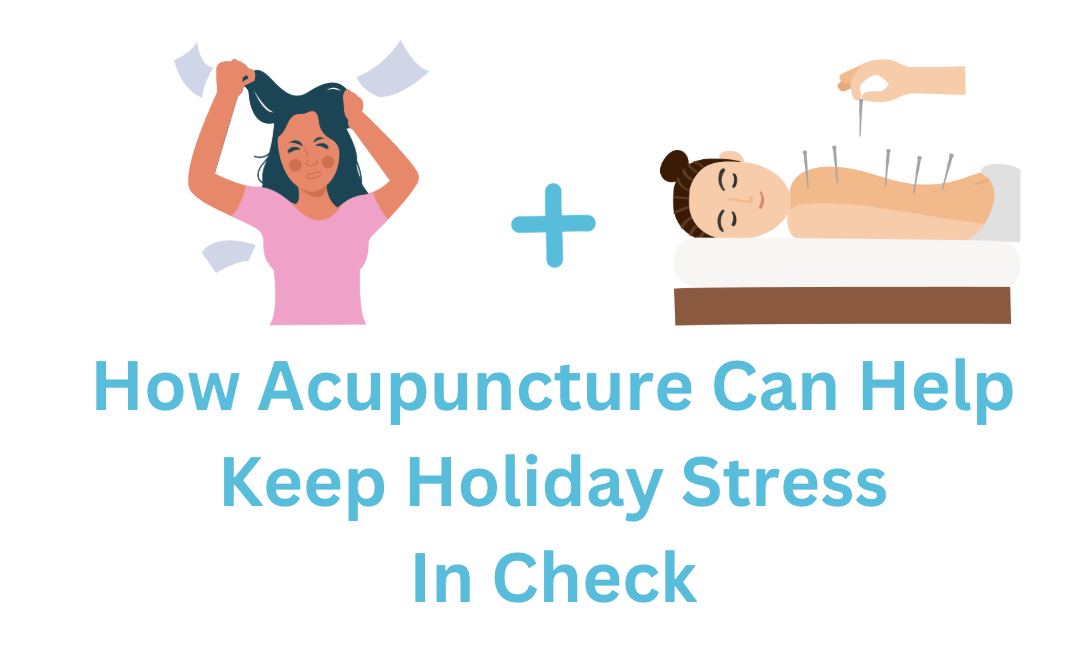
How Acupuncture Can Help With Holiday Stress

The holidays are often described as the most wonderful time of the year—but for many of us, they can also be the most stressful. Between jam-packed calendars, financial pressure, family dynamics, travel, and the pressure to create “perfect” memories, it’s no wonder that anxiety, tension, and burnout seem to spike from late November through January. What’s supposed to feel joyful can quickly become overwhelming.

At NJ Acupuncture Center, we see this every year. Our patients walk in talking about tight shoulders, restless sleep, tension headaches, digestive upset, short tempers, and feeling like they’re running on fumes. The good news? Acupuncture is a powerful, natural, and restorative way to manage holiday stress—helping you feel more grounded, calm, and present through the season.

Here’s how acupuncture supports your mind, body, and nervous system during the holidays—and why now is the perfect time to schedule a session.

1. Acupuncture Calms the Nervous System

Holiday stress has a way of pushing your body into “fight or flight” mode. Even if you’re not consciously feeling anxious, your body may be working overtime behind the scenes—raising cortisol levels, tightening muscles, quickening your heart rate, and interfering with sleep.

Acupuncture works directly with the nervous system to help you shift into “rest and digest” mode. When tiny, hair-thin needles are placed on specific calming points, your body releases natural chemicals like endorphins, serotonin, and GABA—the same neurotransmitters associated with calm and relaxation.

Many of our patients report feeling an almost immediate wave of peace during their session. Some even fall asleep on the table (and we consider that a compliment!).

By calming the nervous system, acupuncture helps create space between you and your stress. You leave feeling clearer, lighter, and less reactive to the things that normally trigger you.

2. It Eases Muscle Tension and Physical Stress

Most people carry holiday stress in their bodies:

  • tight shoulders and neck

  • back pain

  • headaches

  • jaw clenching

  • tension from long hours shopping, cooking, or traveling

Acupuncture increases blood flow, reduces inflammation, and releases tight, contracted muscles. For many, it’s like hitting a reset button.

If you experience tension headaches or migraines this time of year, acupuncture is especially helpful. By improving circulation and soothing the nervous system, it can significantly reduce both pain and frequency. For those who store stress in their jaw or grind their teeth at night, acupuncture around the face and neck can help reduce clenching and relieve the associated discomfort.

When your body feels better, your mind follows.

3. It Improves Sleep (Which You Definitely Need This Season)

Stress and sleep are deeply connected. The more stressed you are, the harder it is to fall—and stay—asleep. Poor sleep then feeds more irritability, anxiety, and overwhelm.

Acupuncture helps regulate your circadian rhythms and reduces the mental “buzz” that keeps many people awake at night. By lowering stress hormones and increasing melatonin production, acupuncture supports deeper, more restful sleep.

Even one or two sessions during the holiday season can help improve:

  • difficulty falling asleep

  • restless nights

  • waking up too early

  • feeling tired even after sleeping

Good sleep is one of the most impactful things you can do to protect your mental health—and acupuncture makes it easier to get.

4. Acupuncture Helps With Digestive Stress Too

Let’s be honest: holiday eating can be a lot. Rich meals, sweets, irregular eating schedules, alcohol, and traveling all take a toll on digestion.

Stress and digestion are also closely linked—when you’re overwhelmed, your body doesn’t break down food as efficiently, which can lead to bloating, acid reflux, constipation, and overall discomfort.

Acupuncture helps regulate digestive function by stimulating the parasympathetic nervous system and improving gut motility. Many patients experience less bloating, better regularity, and more ease in their digestion during the holidays when they incorporate acupuncture into their routine.

5. It Boosts Emotional Balance

While we often talk about stress in physical terms, it’s also an emotional season. The holidays can bring joy, but they can also stir up grief, loneliness, complicated family dynamics, or simply the pressure to keep everyone happy.

Acupuncture helps balance your emotions by regulating the flow of Qi (your body’s energy) and supporting organ systems tied to mood—especially the Liver (stress and irritability), Heart (anxiety), and Spleen (worry). Patients frequently describe feeling:

  • more grounded

  • less reactive

  • more emotionally steady

  • better able to set boundaries

  • more patient with themselves and others

This emotional support can make gatherings, travel, and even gift-giving feel less overwhelming and more manageable.

6. It Helps Strengthen Your Immune System

The combination of stress, lack of sleep, being indoors more often, and exposure to more people makes the holiday season prime time for colds and viruses.

Regular acupuncture supports immune function by increasing white blood cell activity and regulating inflammation. Think of each session as giving your immune system a gentle but powerful boost—helping your body stay strong when you need it most.

7. It Creates Space for You in a Busy Season

Perhaps one of the biggest benefits of acupuncture during the holidays is that it forces you to pause. For 45–60 minutes, your session becomes a quiet, restorative break from the rushing, planning, wrapping, and social events. It’s your moment to breathe, reset, and refill your energy.

We often hear patients say, “This is the only time I have to myself all week.”
And that alone can make a world of difference.

Ready to Feel Better This Holiday Season?

If the holidays tend to leave you feeling overwhelmed, run-down, or tightly wound, acupuncture may be exactly what your mind and body need. Whether you're navigating travel, hosting responsibilities, work stress, or simply trying to stay grounded, we’re here to help you feel your best.

At NJ Acupuncture Center, we specialize in supporting both stress relief and overall wellness—with personalized treatment plans designed around your unique needs.

Book your holiday-season appointment today, and give yourself the gift of calm, balance, and a little extra peace.

Let’s face it—stress is practically a part of modern life. Between work deadlines, family responsibilities, and the constant buzz of notifications, it’s easy to feel overwhelmed. You may notice it in your sleep, digestion, mood swings, or even that stubborn tension in your shoulders that just won’t quit. But have you ever wondered what’s happening behind the scenes in your body when you're stressed?

Enter: stress hormones.

What Are Stress Hormones?

When we’re under pressure, our body kicks into “fight or flight” mode, releasing hormones like cortisol, adrenaline, and norepinephrine. These hormones are helpful in small doses—they give us the energy to act in emergencies. But when stress is constant, our hormone levels stay elevated, which can lead to chronic issues like anxiety, fatigue, weight gain, and trouble sleeping.

This is where acupuncture comes in.

How Acupuncture Works for Stress

Acupuncture is an ancient practice rooted in Traditional Chinese Medicine (TCM) that involves inserting very thin needles into specific points on the body to restore balance and promote healing. While it might sound like magic, there’s solid science behind how it works—especially when it comes to regulating stress.

A growing body of research shows that acupuncture can help balance stress hormones, particularly cortisol.

The Science Behind the Needles

A 2013 study published in the Journal of Endocrinology found that acupuncture can reduce the body’s production of stress hormones, including cortisol. Researchers observed that rats treated with electroacupuncture had lower levels of CRH (corticotropin-releasing hormone), which is one of the key messengers in the body’s stress response. Less CRH means a quieter stress response—and a calmer you.

Another study in Evidence-Based Complementary and Alternative Medicine (2017) showed that just five sessions of acupuncture significantly reduced cortisol levels in patients with stress-related disorders, improving symptoms like anxiety and fatigue.

In simpler terms: acupuncture gives your overworked nervous system a much-needed “reset.”

More Than Just Hormones

The beauty of acupuncture is that it doesn’t just target one part of the stress puzzle. It works holistically—activating the parasympathetic nervous system (your “rest and digest” mode), increasing feel-good chemicals like endorphins and serotonin, and improving blood flow to the brain.

In a world that constantly tells you to “hustle harder,” acupuncture is your invitation to pause and recalibrate.

What to Expect During a Stress-Relief Session

If you’ve never tried acupuncture before, don’t worry—it’s a gentle and relaxing experience. During a session focused on stress relief, your acupuncturist will likely focus on calming points like Shen Men (Spirit Gate), Yin Tang (Third Eye), and areas along the heart, liver, and kidney meridians, which are believed in TCM to influence emotional balance.

Many people report feeling deep relaxation or even euphoria during treatment—and that sense of calm often lingers long after the session ends.

Consistency Is Key

Like any form of wellness care, acupuncture works best when it’s consistent. While you might feel better after just one session, regular treatments can help keep your stress hormones in check over time. Your acupuncturist can help you create a personalized plan based on your unique symptoms, lifestyle, and goals.

Ready to De-Stress?

If your stress levels are creeping higher and higher, acupuncture could be the natural reset your body’s been craving. It’s safe, effective, and backed by both ancient wisdom and modern science.

Let’s work together to bring your hormones—and your life—back into balance.

Book your stress-relief session today and start feeling more grounded, more energized, and more you.

Acupuncture at the Border

Regardless of which side of the political spectrum you align yourself with, one thing is inarguable — tensions are high amidst the tragedy at the border. And believe it or not, acupuncture is helping.

As USA Today reported, acupuncturists are helping migrants stranded in Mexico deal with their physical and mental stressors.

Teams of volunteers lead by Acupuncturists Without Borders, or AWB (a nonprofit that treats people in disaster zones and refugee camps and trains other acupuncturists around the world) are actively providing individuals and families with free treatments throughout border towns in Mexico. 

Using NADA, the 5-point protocol that consists of ear acupuncture points to reduce stress, hundreds of migrants have received treatment this year alone, Diana Fried, AWB’s founder and co-executive director, told USA Today. Ear seeds are also used.

She told the publication, “They’ve been through enormous levels of challenges.” “It’s a very powerful experience for people who are in such a state of trauma to experience such a simple healing treatment.”

Acupuncturists Without Borders first began when Fried and a few volunteer acupuncturists traveled to New Orleans in the wake of Hurricane Katrina. The group, “ treated residents, first responders, roofers, construction workers and federal officials – more than 8,000 people in the course of a year.”

Now, they’re helping with the border crisis, too.

This story speaks to the power of acupuncture beyond what it is typically known for. Aside from physical healing, acupuncture plays a tremendous role in mental and emotional health as well. We are so grateful to be a part of the holistic healing community for those who need it the most.

Why Acupuncture Can Help You Through The Most Wonderful (And Stressful!) Time of the Year

It seems like each year the decorations go up earlier, the sales get pushed up a bit, and the radio stations start pumping out the same 8 songs over and over again before everyone’s even ready. But now there’s no escaping it—we’re officially in the throes that is the Holiday Season.

Even for those of us whom this is the best time of the year, the holidays are never not stressful. There’s lots of running around to see family and friends, work to get done before the calendar turns over, turkeys and desserts to be made, gifts to be bought. And for some out there, the hustle and bustle of the holidays can exacerbate our anxieties and lead to high stress.

It’s as good a time of year as ever to take advantage of acupuncture’s unique ability to help the body and mind relax, reduce anxiety, and operate at its peak. Acupuncture improves myriad bodily functions, particularly the nervous system which controls so much of how our mind feels and what response it creates in the body,

“Depending on where the needles go, acupuncture can cause the nervous system to produce painkilling chemicals, jump-start the body’s natural ability to heal itself, or stimulate the part of the brain that controls emotions, including anxiety,” writes Everyday Health.

The holidays are a time that can feel very go go go, where we don’t have as much time as we normally do to ourselves to recharge and relax. Acupuncture isn’t going to make your life less busy, but by regulating the body’s energy (or qi), consistent treatments can help you make the most of the time your body and mind is supposed to be is relaxing, like when you’re sleeping.

In a personal testimonial at You Beauty, writer Avital Norman Nathman shared, “I would always have the best sleep of the week the night after my acupuncture appointment. And I would also feel lighter. My chest wouldn’t be clenched as tightly and the raw current of anxiety that seems to continuously float just beneath the surface of my skin was dissipate for a while, allowing me to experience a semblance of normalcy, if only for a little while.

This year, let the holidays the special time of year they’re supposed to be by making acupuncture a regular part of your mental, physical, and emotional wellness routine.

Acupuncture Doesn't Just Help Cancer Patients, But Caregivers Too

Learning that a loved one has been diagnosed with cancer can be one of the most difficult things for someone to experience. It not only changes the life for the person who is fighting the battle themselves, but it can radically alter the life of those closes to them.

Depending on each situation, close family or friends may have to take a lot of time out of their schedule to help care for their loved one. Often times, caregivers can put forth such an effort in taking care of their loved one that their own self-care gets ignored. This can lea to a snowball effect, causing emotional stress as well as pain and discomfort.

The benefits of acupuncture for cancer patients reach far and wide. But it can also do wonders for those who are taking care of cancer patients, whether professionally or for somebody close to them. Tamera Anderson-Hanna, herself a cancer survivor, wrote on CureToday.com about her experiences as a caregiver for family who were also diagnosed with cancer, and how acupuncture became a crucial part of her self-care regimen.

Most of her discomfort was emotional, as she explains, “I was definitely experiencing stress with the news of family members being diagnosed with cancer after the new year and have found acupuncture has helped me to experience improved sleep and feeling less stressed as a caregiver.”

But as we know, emotional stress also takes its toll on the physical body. Tamera’s acupuncturist also treated her neck, which is where she was carrying most of her stress. Acupuncture helped Tamera “sleep better at night, assists in experiencing less pain or tension in my body and allows me to redirect my energy to a more positive focus and perspective, thus having more good energy.”

If you or anyone you know is experiencing emotional or physical distress from taking care of someone else, acupuncture isn’t just there for those who have been diagnosed with an illness. Caregivers must ensure they’re taken care of as well.

Acupuncture Helps Veterans with PTSD Sleep Better

4th-of-july-america-flag-6895 (1).jpg

Post-Traumatic Stress Disorder, otherwise known as PTSD, is a disorder that develops in people after they have experienced a shocking, scary or traumatic event. It can either be short term or chronic, and symptoms include bad dreams and trouble sleeping, feeling tense and on edge, having angry outbursts, depression, and more. PTSD affects around 8% of Americans, around 24 million people.


While anyone who experiences a traumatic experience can become affected by PTSD, Awareness around PTSD has grown in the public consciousness over the past few years in relation to military veterans who suffer from it. The situations that our servicemen and women endure are unsurprisingly incredibly difficult to deal with emotionally. Unfortunately, adequate care for our veterans is not always top of mind in our country.


Thankfully, studies are beginning to show what acupuncturists have known—that the ancient practice is an effective, safe, and lasting treatment for PTSD, particularly the insomnia and uneven sleep patterns that veterans suffer from. A recent survey done at the Atlanta Veterans Affairs Medical Center in Georgia in conjunction with Emory University determined gave a group of veterans, with a mean age of 40 and suffering from PTSD and mild traumatic brain injuries 10 acupuncture administrations. The other half of the group received sham acupuncture, and the findings were clear.


“Acupuncture provides meaningful relief for a particularly recalcitrant problem affecting large segments of the veteran population,” the study said. The relief was judged by sleep study, measured by the Pittsburgh Sleep Quality Index, and showed that those who received acupuncture received a 2.7% increase in sleep efficiency.


If you or anyone you know suffers from PTSD and particularly struggles with sleeping, let them know that acupuncture is here to treat them safely and for the long term. And don’t forget to thank them for their sacrifice and service to our country!


Acupuncturists Without Borders

You may have heard of Doctors Without Borders, but what about Acupuncturists Without Borders? 

Acupuncturists Without Borders (AWB) was founded by Diana Fried  immediately after Hurricanes Rita and Katrin in 2005. According to this Valley Advocate article the AWB, "provided free community acupuncture treatments to 8,000 people in Louisiana, including evacuees, residents, first responders, emergency personnel, volunteers and other care providers."

pexels-photo-415368.jpeg

Most recently, AWB has now been helping Puerto Rican evacuees help to manage and treat their trauma. 

After the devastation that Hurricane Maria brought to Puerto Rico, many individuals lost everything, and have had to flee the country for safety. 

AWB member Verena Smith, an Amherst based acupuncturist, explained, “people who were directly hit by hurricanes – and their families and friends from Western Mass – surely are experiencing serious acute traumatic stress.  Folks may be having flashbacks, panic, insomnia, suicidal ideation, or any number of symptoms that can be relieved with simple treatments.“

Since acupuncture has been shown to help with anxiety, insomnia, depression and other symptoms, acupuncturists and AWB members Nancy Edwards and Dede King brought their services to a Springfield clinic to offer treatment to stressed evacuees within a shared treatment setting. The results?

The report explained, "people seemed a bit more jovial, perhaps the result of a positive shared experience or perhaps a result of the treatment. Regardless, the general mood seemed lighter; smiles spread across faces for the first time that evening."

It has been long known that acupuncture treatment, specifically targeted for trauma, can help to heal both physical and emotional pain, while balancing qi.