Sitting All Day Is Wrecking Your Body—Here’s What Helps

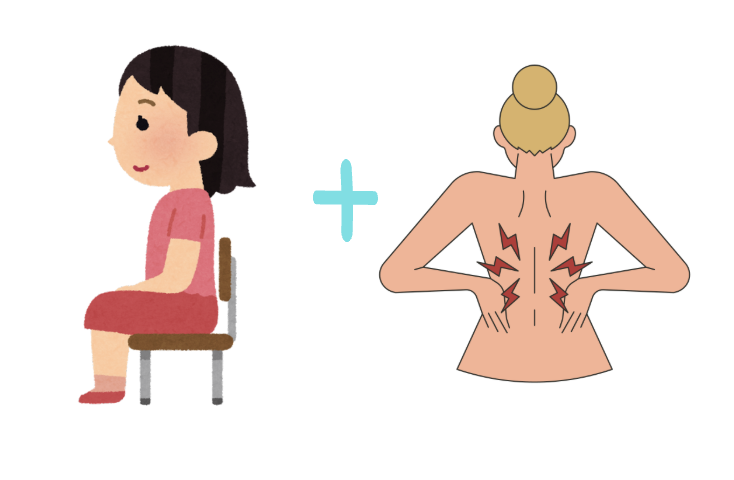
If you spend most of your day sitting at a desk, in the car, on the couch, or even hunched over your phone, your body is likely feeling the effects—even if you don’t realize it yet. Tight hips, stiff shoulders, headaches, low back pain, poor posture, fatigue, and even increased stress levels have become incredibly common in today’s screen-heavy world.

The truth is: our bodies weren’t designed to sit for hours at a time. And over time, prolonged sitting can create a ripple effect throughout the entire body.

At NJ Acupuncture Center, we see more and more patients dealing with the physical and mental strain that comes from sedentary lifestyles. The good news? There are ways to help your body recover, reset, and feel better naturally.

What Sitting All Day Actually Does to the Body

When you sit for long periods without movement, certain muscles tighten while others weaken. This imbalance often leads to:

  • Neck and shoulder tension

  • Tight hips and hamstrings

  • Lower back pain

  • Poor posture

  • Reduced circulation

  • Increased fatigue

  • Headaches and jaw tension

  • Wrist and hand discomfort from typing or scrolling

  • Increased stress and nervous system dysregulation

Even people who exercise regularly can still experience the effects of sitting all day if the majority of their waking hours are sedentary.

Why Your Body Feels “Stuck”

Many patients describe the feeling as being “tight everywhere” or like their body is constantly bracing itself. That’s because prolonged sitting can keep the body in a low-grade stress state. Muscles remain contracted, circulation slows, and tension builds over time.

Add in work stress, lack of movement, poor sleep, and screen time, and it becomes the perfect recipe for chronic discomfort.

How Acupuncture Can Help

Acupuncture works by helping the body return to balance. Treatments can help release muscle tension, improve circulation, calm the nervous system, and reduce inflammation naturally.

Many patients seek acupuncture for:

  • Neck and back pain

  • Tech neck and posture-related discomfort

  • Tension headaches

  • Sciatica

  • Stress and burnout

  • Hip tightness and stiffness

  • TMJ and jaw tension

  • Fatigue and poor sleep

One of the biggest benefits of acupuncture is that it addresses both the physical tension and the stress component that often comes with modern work and lifestyle habits.

Patients frequently leave treatments feeling looser, calmer, and more energized.

Small Changes That Make a Big Difference

While acupuncture can be incredibly effective, combining treatment with small daily habits can make an even bigger impact. Try:

  • Standing up every 30–60 minutes

  • Stretching your neck, chest, and hips throughout the day

  • Taking short walks when possible

  • Adjusting your desk and screen height for better posture

  • Drinking more water

  • Prioritizing quality sleep

  • Giving your nervous system regular opportunities to relax

You don’t need a perfect wellness routine to feel better. Small, consistent changes matter.

Your Body Wants Movement & Recovery

Pain and tension aren’t just “part of getting older” or something you simply have to push through. Often, they’re signs your body needs support, movement, and recovery.

If sitting all day has left you feeling stiff, sore, exhausted, or constantly tense, acupuncture may help your body finally exhale.

At NJ Acupuncture Center, we’re here to help you feel better, move better, and support your long-term wellness naturally.
Retired? How Acu Can Give Your Body What It Needs

Retirement is often painted as the reward after decades of hard work: slower mornings, more time with family, travel plans, hobbies, and finally the chance to focus on yourself. But for many people, retirement can also bring unexpected physical and emotional changes. A body that once ran on packed schedules and constant movement may suddenly feel stiff, tired, achy, or out of balance.

At NJ Acupuncture Center, we often hear retirees say the same thing: “I finally have time to enjoy life, but my body isn’t cooperating.” The good news? Acupuncture can help support your body during this new chapter and give it exactly what it needs to feel stronger, calmer, and more energized.

Retirement Changes the Body More Than People Expect

Even positive life transitions can affect the nervous system and overall health. Many retirees notice:

  • Increased joint pain or stiffness

  • Fatigue and lower energy levels

  • Trouble sleeping

  • Digestive issues

  • Increased stress or anxiety

  • Feeling less active or mobile

  • Chronic pain becoming more noticeable

  • Muscle tension from years of physical wear and tear

When work routines disappear, the body sometimes slows down too much. Daily movement changes, stress patterns shift, and underlying aches that were once ignored can suddenly move front and center.

That’s where acupuncture can make a major difference.

How Acupuncture Supports Healthy Aging

Acupuncture works by helping the body return to balance. Thin, gentle needles stimulate specific points in the body that support circulation, reduce inflammation, calm the nervous system, and encourage the body’s natural healing response.

For retirees, acupuncture can help:

Reduce Everyday Aches and Pains

Whether it’s knee pain, back pain, arthritis discomfort, neck tension, or lingering injuries, acupuncture is known for helping reduce inflammation and improve mobility. Many patients report feeling looser, lighter, and more comfortable after regular sessions.

Improve Sleep Quality

Retirement should not mean tossing and turning all night. Acupuncture helps regulate the nervous system, making it easier to fall asleep, stay asleep, and wake up feeling rested.

Increase Energy Naturally

Many retirees experience fatigue even without demanding schedules. Acupuncture can support better circulation, improved sleep, and reduced stress—all of which contribute to healthier energy levels without relying on caffeine or medications.

Support Mental and Emotional Wellness

Life transitions can bring emotional shifts, too. Retirement sometimes creates feelings of uncertainty, loneliness, or loss of routine. Acupuncture promotes relaxation and can help ease stress, anxiety, and overwhelm while supporting overall emotional balance.

Keep You Active

The goal of healthy aging isn’t just living longer—it’s feeling good enough to enjoy life. Whether you want to golf, garden, travel, play with grandchildren, or simply move comfortably through the day, acupuncture can help support mobility and recovery.

Acupuncture Is Gentle, Natural, and Personalized

One of the reasons so many retirees love acupuncture is because treatments are customized to the individual. There is no one-size-fits-all approach. At NJ Acupuncture Center, treatments are tailored to your body, your goals, and your lifestyle.

Many patients also appreciate that acupuncture is:

  • Drug-free

  • Non-invasive

  • Relaxing

  • Safe for long-term wellness support

  • Designed to work alongside other healthcare treatments

Your Retirement Should Feel Good

You spent years taking care of work, responsibilities, and everyone else around you. Retirement is finally your opportunity to take care of yourself, too.

If your body has been asking for more support, more rest, or more balance, acupuncture may be exactly what it needs.

At NJ Acupuncture Center, we believe healthy aging should feel empowering—not limiting. Whether you’re looking to reduce pain, improve sleep, regain energy, or simply feel more like yourself again, acupuncture can help you enjoy retirement with greater comfort and vitality.

Acupuncture x Pregnancy: Natural Support for Every Trimester

Pregnancy is an incredible experience—but it can also be physically demanding, emotionally overwhelming, and exhausting for the body. From nausea and fatigue to sleep struggles, anxiety, and aches that seem to appear overnight, many moms-to-be are searching for safe, natural ways to feel better throughout pregnancy.

At NJ Acupuncture Center, we offer acupuncture treatments designed to support both mom and baby during every stage of pregnancy. Gentle, relaxing, and customized to your needs, acupuncture can help ease common pregnancy symptoms while supporting overall wellness throughout your journey.

Is Acupuncture Safe During Pregnancy?

When performed by a licensed and experienced practitioner trained in prenatal care, acupuncture is considered safe during pregnancy. Treatments are specifically tailored to each trimester and designed to support the body as it changes week by week.

Many patients incorporate acupuncture into their wellness routine throughout pregnancy as a way to manage discomfort naturally and prioritize both physical and emotional balance.

Common Pregnancy Symptoms Acupuncture May Help Support

Every pregnancy is different, but many women experience symptoms that can make daily life more challenging. Acupuncture is often used to help support relief from:

  • Morning sickness and nausea

  • Fatigue and low energy

  • Headaches

  • Anxiety and stress

  • Insomnia and sleep disturbances

  • Back pain and hip pain

  • Neck and shoulder tension

  • Swelling and circulation issues

  • Sciatica

  • Heartburn and digestive discomfort

Treatments are gentle and deeply relaxing, giving many moms-to-be an opportunity to slow down and reconnect with their bodies during a time that can feel physically and emotionally nonstop.

Supporting the Nervous System During Pregnancy

Pregnancy brings major hormonal and emotional changes. Even during joyful moments, the nervous system can become overstimulated from stress, physical discomfort, mental load, and anticipation surrounding birth and motherhood.

Acupuncture helps encourage the body’s parasympathetic response—often called the “rest and digest” state—which may help calm the nervous system and promote a greater sense of relaxation and emotional regulation.

Many patients leave treatments feeling lighter, calmer, and more grounded.

Acupuncture for Sleep During Pregnancy

Sleep can become increasingly difficult throughout pregnancy, especially during the second and third trimesters. Physical discomfort, anxiety, frequent waking, and hormonal changes can all interfere with restful sleep.

Acupuncture may help promote relaxation and improve overall sleep quality naturally, without relying on medications. Better sleep can also positively impact mood, energy levels, and overall well-being during pregnancy.

Preparing the Body for Labor

In the later weeks of pregnancy, many women choose to continue acupuncture treatments as part of their birth preparation routine. Prenatal acupuncture sessions may help the body stay relaxed, balanced, and supported leading up to labor.

Treatments are always personalized and adjusted based on your stage of pregnancy, symptoms, and comfort level.

Prioritizing You During Pregnancy

Pregnancy often comes with endless appointments, planning, and focus on the baby—but your well-being matters, too.

Acupuncture creates intentional time to care for your body, calm your nervous system, and support your health throughout pregnancy in a holistic, gentle way.

At NJ Acupuncture Center, we’re honored to support patients during every phase of motherhood—from fertility and pregnancy through postpartum healing and beyond.

If you’re looking for natural support during pregnancy, acupuncture may help you feel more balanced, rested, and supported every step of the way.

Easiest Way To Reset Your Nervous System, Now

If you’ve been feeling constantly “on,” wired but exhausted, or stuck in a loop of stress and poor sleep—you’re not imagining it. Your nervous system may be stuck in overdrive. And while quick fixes like caffeine, scrolling, or even intense workouts might give temporary relief, they don’t actually reset your system.

Acupuncture, however, can.

Why Your Nervous System Feels Out of Balance

Your body is designed to shift between two main states:

  • Sympathetic (fight-or-flight)

  • Parasympathetic (rest-and-digest)

In today’s fast-paced lifestyle—especially in places like Hoboken, Jersey City, and Bayonne—many people are living almost entirely in fight-or-flight mode. Deadlines, commuting, constant notifications, and mental overload keep your body on high alert.

Over time, this can lead to:

  • Trouble sleeping

  • Increased anxiety or irritability

  • Digestive issues

  • Hormonal imbalance

  • Chronic fatigue or burnout

The goal isn’t just to relax temporarily—it’s to help your body remember how to regulate itself.

How Acupuncture Resets the System

Acupuncture works by gently stimulating specific points on the body that communicate directly with your nervous system. Think of it as a signal that tells your body: it’s safe to slow down.

During a session, many patients notice:

  • A deep sense of calm within minutes

  • Slower breathing and heart rate

  • A feeling of heaviness or “melting” into the table

That’s your parasympathetic system turning back on.

Over time, regular treatments can help:

  • Lower cortisol (your stress hormone)

  • Improve sleep quality

  • Support emotional balance

  • Reduce inflammation

  • Increase energy in a sustainable way

It’s Not Just Relaxation—It’s Regulation

One of the biggest misconceptions about acupuncture is that it’s “just relaxing.” While it is deeply calming, the real benefit is that it helps retrain your nervous system.

Instead of constantly reacting to stress, your body becomes more resilient. You recover faster. You sleep deeper. You feel more like yourself again.

A Natural Solution That Fits Your Life

For many patients at NJ Acupuncture Center, acupuncture becomes a key part of their self-care routine—not because it’s complicated, but because it’s simple and effective.

Sessions are:

  • Drug-free

  • Gentle and non-invasive

  • Customized to your specific needs

Whether you’re dealing with stress, burnout, sleep issues, or just feeling “off,” acupuncture meets you where you are.

What to Expect

Your first visit includes a personalized consultation where we look at your symptoms, lifestyle, and goals. From there, your treatment is tailored to support your nervous system and overall health.

Many patients notice improvements quickly, while others experience gradual, long-lasting shifts over a series of treatments.You don’t have to stay stuck in survival mode.

If you’re ready to feel calmer, sleep better, and move through your day with more ease, acupuncture offers a natural and effective way to reset your nervous system—starting now.

Book your appointment with NJ Acupuncture Center today and experience the difference for yourself.

How Acupuncture Can Help Ease Anxiety—Naturally

If you struggle with anxiety, you’re far from alone. According to the Anxiety & Depression Association of America, anxiety disorders affect over 40 million adults in the U.S. each year. And while therapy, medication, and lifestyle changes are common treatment routes, more people are turning to holistic methods like acupuncture for relief.

So, how can a few tiny needles help with something as overwhelming as anxiety? Let’s break it down.

What Exactly Is Acupuncture?

Acupuncture is a form of traditional Chinese medicine that’s been around for thousands of years. It involves inserting ultra-thin needles into specific points on the body to promote healing, restore balance, and improve overall well-being.

In Chinese medicine, anxiety is thought to stem from an imbalance in the body’s energy (or “qi”), often tied to the heart, spleen, or kidney systems. In Western medicine, the benefits are often explained through the nervous system and brain chemistry.

Either way, acupuncture has been shown to affect the body in ways that can directly ease symptoms of anxiety.

Acupuncture and the Nervous System

When you’re anxious, your body tends to live in “fight or flight” mode—heart racing, shallow breathing, and a brain that just won’t shut off. Acupuncture helps flip the switch from that heightened stress response into a more relaxed, parasympathetic state, also known as “rest and digest.”

Studies have found that acupuncture can reduce activity in the amygdala (the brain’s fear center) and regulate the production of stress hormones like cortisol. In fact, a 2017 systematic review published in the Journal of Acupuncture and Meridian Studies found acupuncture to be “a promising treatment” for anxiety, especially generalized anxiety disorder (GAD).

The Science Backs It Up

There’s growing evidence to support what practitioners and patients have known for centuries. A 2016 meta-analysis in the Journal of Evidence-Based Complementary & Alternative Medicine reviewed multiple studies and concluded that acupuncture has a “statistically significant effect” on reducing anxiety.

Another 2021 randomized clinical trial published in PLOS ONE showed that acupuncture was effective in reducing both anxiety and depression symptoms in patients undergoing fertility treatments—an especially high-stress experience.

While more large-scale studies are still needed, these findings are promising and support acupuncture as a safe, low-risk complement (or alternative) to more conventional anxiety treatments.

What Does an Acupuncture Session for Anxiety Look Like?

Your first visit usually starts with a conversation. An acupuncturist will ask about your physical health, emotional state, sleep, digestion, and lifestyle to get a complete picture of what’s going on.

Once you're lying comfortably on the treatment table, the practitioner will gently place needles at specific points on your body. Common points for anxiety are located on the wrists, feet, ears, and sometimes the forehead or chest.

Most people find the experience deeply relaxing—some even fall asleep during treatment! A session typically lasts about 30–45 minutes, and the effects often build over time with regular visits.

Why Acupuncture Works So Well for Anxiety

Acupuncture isn’t just about treating a symptom—it’s about treating the whole person. That’s part of what makes it so effective for anxiety, which often shows up in both emotional and physical ways.

You might come in for tight shoulders, insomnia, or digestive issues, and soon realize your mood and stress levels are improving too. That’s because acupuncture helps regulate the body’s systems in a holistic way.

Benefits may include:

  • Better sleep

  • Fewer racing thoughts

  • Reduced physical tension

  • Improved digestion

  • More emotional balance

And because acupuncture has virtually no side effects, it’s a safe addition to most wellness routines—even if you’re already taking medication or seeing a therapist.

Is Acupuncture Right for You?

If you're looking for a natural, supportive way to manage anxiety, acupuncture could be a great fit. It’s gentle, non-invasive, and designed to bring your body back into balance.

That said, anxiety is complex, and what works for one person may not work for another. Acupuncture is often most effective when combined with other healthy habits—like mindfulness, exercise, proper nutrition, and professional mental health care when needed.

Ready to Feel More at Ease?

Anxiety doesn’t have to rule your life. Whether you’re dealing with occasional stress or chronic worry, acupuncture offers a calming, time-tested path toward relief.

At NJ Acupuncture center we’re here to support your mental and emotional wellness—one needle (and breath) at a time. Want to learn more or book your first session? Click here.

How Acupuncture Can Lead to Better Skin

Let’s face it—when it comes to skincare, we’ve tried it all: serums, creams, facials, lasers, jade rollers, and enough sheet masks to wallpaper a small room. But what if one of the most effective ways to get healthier, clearer, and more radiant skin wasn’t found in a bottle—but in an acupuncture session?

At first, acupuncture might not scream “glow-up.” After all, it’s better known for relieving back pain or easing anxiety. But here’s the (beautiful) truth: acupuncture has been used for centuries to support internal balance, and when the inside is balanced, it shows on the outside.

Let’s break down how acupuncture can lead to better skin—and why your next skincare investment might just be a tiny needle.

The Skin-Body Connection

Your skin is the largest organ in your body—and a reflection of what’s going on beneath the surface. Acne, dullness, puffiness, premature aging, even rosacea or eczema flare-ups can all be signs of internal imbalances.

In Traditional Chinese Medicine (TCM), the skin is deeply connected to systems like the lungs, liver, stomach, and kidneys. If any of these are out of sync, your complexion might start acting out.

This is where acupuncture steps in. By stimulating specific points on the body, acupuncture helps regulate internal functions—think digestion, circulation, and hormone balance. When those systems work harmoniously, skin often clears, tightens, and brightens naturally.

What the Science Says

You don’t have to take our word (or ancient wisdom) for it. Research is starting to catch up with what TCM practitioners have known for centuries.

A 2018 study published in The Journal of Acupuncture and Meridian Studies found that facial acupuncture improved skin elasticity and hydration in participants over a five-week period. Another small study in Evidence-Based Complementary and Alternative Medicine showed that acupuncture helped reduce symptoms of acne by regulating hormone levels and inflammation markers.

Translation? Acupuncture isn’t just “woo-woo”—it’s got real science on its side.

Benefits You Might Notice

Whether you're struggling with breakouts, dryness, or fine lines, here are a few ways acupuncture can work skin wonders:

  • Boosts circulation: More blood flow means more oxygen and nutrients delivered to your skin—hello, natural glow.

  • Reduces inflammation: Acupuncture helps calm the immune response, which is key for acne, redness, or irritated skin.

  • Supports collagen production: Microtraumas caused by facial acupuncture can stimulate collagen, reducing the appearance of fine lines.

  • Balances hormones: If your breakouts are tied to your cycle, acupuncture can help regulate hormonal fluctuations.

  • De-stresses you: Chronic stress wreaks havoc on the skin. Acupuncture is known to lower cortisol levels, which can reduce stress-related flare-ups.

What to Expect

During a facial acupuncture session, tiny, hair-thin needles are inserted into the face to stimulate local healing. We also use body points to address the root causes—whether it's digestion, hormones, or stress.

Most clients describe the experience as relaxing—some even fall asleep! Over time (usually after a few consistent sessions), you may notice softer skin, fewer breakouts, and that elusive “lit-from-within” look everyone’s always talking about.

Real Healing, Real Results

Better skin doesn’t always come from a fancy new product. Sometimes, it starts with giving your body the balance it needs to heal and thrive.

If you’ve been chasing the perfect skincare routine without seeing the results you want, maybe it’s time to go deeper—literally. Acupuncture could be your secret weapon for healthy, radiant skin.

Curious to give it a try? We’d love to talk with you about your skin goals and create a personalized acupuncture plan to help you get there.

Book your appointment today—and get ready to glow.

Unlocking Relief: How Acupuncture Can Help with TMJ Pain


If you’ve ever felt that annoying click, pop, or tightness in your jaw while yawning or chewing, chances are you’ve heard of TMJ. Short for temporomandibular joint disorder, TMJ affects millions of people and can cause chronic jaw pain, headaches, difficulty chewing, and even neck and shoulder tension. It’s a literal pain in the jaw—and if you’re dealing with it, you already know how frustrating it can be to find lasting relief.

Enter: acupuncture. Yes, those tiny needles you’ve maybe seen in a spa brochure or heard about from your yogi friend could be the key to easing your TMJ symptoms—naturally and effectively.

What Exactly Is TMJ?

Let’s start with the basics. The temporomandibular joints connect your jawbone to your skull and act like sliding hinges. When these joints become inflamed, misaligned, or overused (think grinding your teeth at night or clenching during stress), it leads to TMJ disorder.

Symptoms might include:

  • Jaw pain or tenderness

  • Clicking or popping sounds when opening the mouth

  • Difficulty chewing or speaking

  • Locking of the jaw

  • Headaches, neck aches, and even earaches

It’s no wonder TMJ can take a toll on your daily life.

So, How Can Acupuncture Help?

Acupuncture is part of Traditional Chinese Medicine and works by stimulating specific points on the body with ultra-thin needles to promote healing and restore balance. When it comes to TMJ, acupuncture targets the muscles around the jaw, head, and neck to reduce inflammation, ease muscle tension, and improve blood flow.

Think of it this way: your jaw is doing the equivalent of a tiny workout every time you talk, eat, or yawn. Acupuncture acts like a cool-down stretch and massage for overworked jaw muscles—only with added benefits like calming your nervous system and helping your body de-stress.

What Does the Research Say?

While acupuncture has been used for centuries, modern science is catching up with what practitioners have long known: it works.

A 2017 study published in the Journal of Acupuncture and Meridian Studies showed that participants with TMJ pain who received acupuncture reported significant improvements in both pain levels and jaw function compared to those who didn’t. Another review in 2021 concluded that acupuncture is a safe and promising option for TMJ, especially when conventional treatments fall short.

The best part? Acupuncture doesn’t come with the side effects often associated with medications like muscle relaxants or painkillers. It’s gentle, minimally invasive, and designed to treat the root cause, not just the symptoms.

What to Expect in a Session

If you’re new to acupuncture, you might be surprised at how relaxing it is. During a session for TMJ, your acupuncturist will likely place needles around your jaw, ears, neck, and even hands or feet (those distant points help regulate the nervous system). The treatment typically lasts 30–45 minutes, and many people leave feeling calm, refreshed, and already a little looser in the jaw.

Depending on the severity of your symptoms, you may need several sessions to see lasting results. Acupuncture isn’t a magic switch—it’s more like a reset button your body learns to press more effectively with each visit.

Bonus: Stress Relief Included

TMJ and stress go hand in hand. Whether you're clenching your jaw at your desk or grinding your teeth in your sleep, chronic stress is often a major contributor. Acupuncture helps regulate cortisol levels, calm your nervous system, and promote better sleep—all of which support TMJ relief over time.

Final Thoughts

If jaw pain is cramping your style (and your smile), acupuncture could be the natural relief you've been looking for. At [Your Clinic Name], we specialize in treating pain holistically—and that includes stubborn TMJ symptoms. We’ll work with you to create a personalized treatment plan that targets your unique triggers and helps you find long-term relief.

Ready to stop gritting your teeth and start feeling better? Book your first acupuncture session today. Your jaw will thank you.

Know the Different Types of Acupuncture

Acupuncture continues to grow across the world as a popular treatment for pain and symptoms of a number of diseases and conditions. Most of the time when you hear that someone has received acupuncture, you have one thing in mind. However, the term “acupuncture” has sort of become a catch-all for many different types of treatments that are available to patients. Since acupuncture is an ancient treatment, there have been updates and iterations over the years. Now, many different forms of acupuncture are out there, with their own strengths at treating different conditions. It’s always good to be informed, so we’ve put together a list for you of the most common types of treatments that often fall under the “acupuncture” umbrella.

Body Acupuncture – This is what likely comes to mind when you hear the word acupuncture. Tiny needles inserted into certain points and meridians along the body that regulate the flow of energy and promote healing.

Ear Acupuncture – Traditional Chinese Medicine says that the ear contains acupuncture points that can heal every area of the body. So, many acupuncturists will focus their acupuncture in the ear, using the same needles as in the body, whether on its own or in conjunction with body acupuncture points.

Electroacupuncture – Particularly useful for treating pain, electroacupuncture uses small clips on top of regular acupuncture needles to send an electric current in between two acupuncture needle points. The extra stimulation can improve the flow of energy between the points, helping heal pain.

Acupressure – Utilizing the knowledge of acupuncture points and meridians, acupressure pinpoints these same areas to heal pain, but uses massage and pressure instead of inserting a needle. Many acupuncturists will teach patients the proper areas, since patients can perform it themselves at home.

Moxibustion – When small amounts of herbs are placed on top body acupuncture needles and then lit, giving the area an extra boost of warmth.

Cupping – Usually done in tandem with acupuncture, cupping uses rubber or glass cups that are suctioned onto specific areas of the body. This can help when traditional body acupuncture needs a little bit of a boost when energy along a certain point has become stagnant. Cupping can leave marks on the body where the cup has suctioned on, but they are temporary.

Types of Acupuncture

What is Cryo Slimming?

By now you may have heard of cryo therapy, aka using extremely cold temperatures to promote healing and wellness.

Cryo Slimming

But what about cryo slimming?

We are proud to now offer cryo slimming into our family of wellness tools, and here is how it can help you.

Contrary to other machines and facilities, our approach to cryo slimming is different and works without chemicals or high-intensity ultrasounds. We use only thermal shock, which works to preserve the surrounding non-fat tissue, resulting in a much more dramatic slimming effect.

The device we use is incredibly safe (or else we wouldn’t use it!) and each session lasts about 30 minutes while the therapy alternates between heat, a long period of cold, and then heat again. This is all done manually by our highly trained technician and feels great, similar to a firm massage.

Results will vary a bit from client to client, but both . scientific research and clinical trials have proven that cryo therapy reduces fat cells. Fat cells are destroyed during the treatment, and most are then eliminated from the body within 2-3 weeks.

We typically will provide treatment once every two weeks, as we are careful to allow enough time for thorough elimination and your metabolism to send the fat cells out.

Depending on your diet and lifestyle, results can be quite long-lasting, even years!

Though, for facial or a cellulite specific treatment, we recommend treatment once a month and can even schedule all your desired sessions in advance to streamline things a bit and ensure consistency.

Our approach to cryo slimming targets deep layers of the skin, and can be used as an anti-aging treatment too as it revamps and stimulates collagen production while leaving the face looking and feeling firm, plump, youthful and rejuvenated. We can even target specific wrinkles or blemishes for a more precise application, and clients will typically see and feel results right away, with the best results achieved after 4-8 sessions.

If you’re interested in giving our latest treatment offering a try, don’t wait! Contact us for a free consultation today!


Acupuncture and Depression

Acupuncture and Depression

Recently, Bustle explored something very near and dear to our hearts — the relationship between acupuncture and mental health. Specifically, the relationship between acupuncture and depression.

Speaking to various doctors and practitioners, it spoke of what we already know to be true, but love to hear it time and time again — that acupuncture can, and does help those struggling with a depressed mood.

We know that maintaining a balanced flow of qi can work wonders for mental health, and can release positive-feeling endorphins as well as a calming effect, too.

Bustle spoke with Dr. Josh Klapow Ph.D, a clinical psychologist, who also explained how acupuncture can be a helpful treatment for depression because it can reduce muscle tension, soothe the central nervous system, and improve your mood. It's also an excellent way to take time out of your day for yourself.

Though, Dr. Klapow said that studies have found that acupuncture isn't an effective primary treatment for depression, but rather is most effective when used in conjunction with other options as well. (Like therapy, exercise, dietary changes, etc.)

The article also explored research that has been performed looking into the matter — some positive and some less so.

Some of the more affirming studies included a review study published in the British Journal of Midwifery in 2018 which, “looked at 1,592 studies of depression and acupuncture to see if there was evidence that acupuncture might help postpartum depression." Only three studies fit the bill, and only one of those three showed that acupuncture might be as effective as the antidepressant fluoxetine hydrochloride (Prozac) for treating PPD. The other two studies didn't show much difference, but it certainly didn't seem as if acupuncture did any harm.”

We believe that giving acupuncture a try is ALWAYS worth it — as it quite literally can’t hurt, and can only help.

One Woman Shares How She Beat Her Migraines with Acupuncture

If you’re one of the million Americans who, unfortunately, suffer from migraines — you’re not alone. We know how desperate you might be to find some relief, and we’re happy to say we can help.

But, don’t just take our word for it. Meet Samantha Fletcher, who recently told the Daily Mail all about her struggles, and how she found relief through acupuncture.

Struggling since age 13, Fletcher said, “the migraines were mild and rare at first, but they became frequent and unmanageable. Two years ago, at the age of 26, I was having two a week.”

Beat Her Migraines with Acupuncture

Despite medications and other traditional approaches to find relief, she then decided to give acupuncture a try.

She describes her thoughts during her first treatment saying, “I lay there for half an hour, then she returned to the room, took them out and sent me on my way. To my surprise, the next week was the first in years when I didn’t have a migraine. Had I found something that worked, or was it a fluke?”

It most definitely wasn’t a fluke.

Going once a week for several months that followed, Fletcher says, “I would leave feeling calm and less tense — and I had only two migraines in nine months while having acupuncture.”

Fletcher concluded, “Without the migraines, I have more energy, I feel happier, I can exercise again and it’s much easier to work. Skeptics may say it’s just the placebo effect — but I don’t mind if it is.”

We believe in the healing powers of acupucnture. If you’re struggling with migraines, let us help.


What is a Massage, Really?

You know they feel amazing and you know they help with stress and tension — but what is a massage, really?

What’s the purpose, the point? How do they work and what are the different kinds?

It’s important to know what type of service you’re going to receive, so we’re here to help. Here’s all you need to know about the three most common types of massage we offer: acupressure, deep tissue, and relaxation.

Acupressure

What is a Massage, Really

Acupressure massages are highly effective when performed by properly trained therapists. Using the same underlying philosophy as acupuncture, the approach uses firm pressure at acupoints and pressure points as opposed to acuneedles. During acupressure, physical pressure from the fingers is applied to acupuncture points throughout the body with the ultimate goal of clearing blockages within the affected meridians. The specific points of treatment will depend on the patient’s chief complaints and/or wellness goals.

Deep Tissue

If you find you’re suffering from muscle tension, cramping, anxiety or those pesky shoulder knots that develop over time from tension and poor posture — a deep tissue massage is the best option from you. Using firm and targeted pressure, the therapist will use deep pressure with slow strokes that are relaxing but also purposeful as they aim to reach the deep layers of your connective tissues and muscles. Though these massages are targeted and you should feel pressure, be sure to speak up if you feel pain. And, drink plenty of water after to help flush out the toxins!

Sweedish Massage

If you are in need of some “me” time and relaxation, a “typical” Sweedish massage is definitely what you’re after. This full-body, gentle massage is good at relieving tension and just feels really good, too. While it can also help to relieve muscle knots, it’s a great option for clients that might be new to massage, or are pretty sensitive to firmer pressure. Your therapist will use long, slow strokes across your body which will help to improve circulation and blood flow, promote relaxation, and maybe even soothe you off to sleep!

Before booking, be sure to consult with your therapist as to which type of service is best for you.

Enjoy!

How Acupuncture Can Help You Through Those Short Winter Days

Daylight Savings Time was created to help early agrarian societies take better advantage of daytime and sunlight in order to produce crops and complete other work tasks more efficiently. There is lots of debate over whether our modern society needs Daylight Savings Time anymore, with many areas of the world have never utilized it, and even some states abandoning it. The days get shorter in the winter here in the US regardless, but Daylight Savings often results in busy folks barely getting outside in the daytime at all.

It can affect our health, both mental and physical. Seasonal depression is perhaps the most extreme result, but many among us feel a general malaise during the winter months, highlighted by a lack of energy and increased fatigue. Often times, are diets in the winter are more filling, which lead to feels of bloat and contribute these negative feelings.

“During the winter months, it is important to nurture and nourish our Kidney Qi; it is the time where this energy can be most easily depleted,” writes Diane Joswick, L. Ac. “Our bodies are instinctively expressing the fundamental principles of winter – rest, reflection, conservation and storage.”

During a visit for general fatigue and energy issues, an acupuncturist will likely target the kidney, as Diane writes. The kidney is a key part of the body’s regulatory ability. A healthy and optimal kidney helps increase vitality and boost energy, while also increasing the immune system which during the cold winter months is put to the test.

This winter, don’t let the short days and long periods of darkness and cold get you down. Making acupuncture part of your general wellness routine, along with proper diet and exercise, can help prepare your body to naturally stay vibrant and avoid fatigue, as well as the many negative emotions that they can cause.

We promise, you can get through this winter with your energy and vibrancy in tact. And although it feels far away, eventually the days will be long once again!

Sniffle Season? Let Acupuncture Boost Your Immune System

In many parts of the country, November marks the season where temperatures really start to change, when the winter coats and hats and gloves get dusted off and put to use. But bundling up alone won’t shield you from catching the runny noses, sore throats, and sniffles that so many fo us deal with over the cold weather months. While getting enough rest and eating properly can help keep you well, there’s one natural way to boost your immune system so that it’s at peak performance at the right time of year: acupuncture.

Our body’s ability to fight infections and viruses is a result of many different parts of the body that work together. When any of those parts of the body are not operating at their peak, the immune system is weakened. One of the most important parts of the immune system is the spleen. Located near the stomach, the spleen holds many responsibilities, but from an immune system, standpoint, the spleen filters our blood, recycling old red blood cells and and storing platelets and white blood cells which are both responsible for fighting off infections, bacteria, and viruses. Acupuncture regulates our body’s internal system and important organs like the spleen—instead of relying on medications, acupuncture allows the body to perform its functions at close to their peak efficiency and effectiveness.

A study also found that targeted acupuncture is effective at cytokines and helper T cells. Cytokines are proteins that are secreted by cells that help cells interact and communicate with others, and helper T cells are active in the body’s fight against microbes.

Making acupuncture part of your usual Wellness routine is a great idea in general, but especially during this time of the year when many of us fall prey to runny noses, sore throats and the common cold. Help boost your immune system today by coming in for a visit!

Give Shoulder Pain the Cold Shoulder With Acupuncture

The shoulder is a fascinating, complicated an important area of the body. It has an incredible range of motion and thus allows our arms to movie in many different ways and accomplish a wide variety of tasks. Everything from everyday chores to incredible athletic feats like pitching (Happy Baseball Playoffs!) and hitting a tennis ball are possible because of the little ball and joint located at the tops of our arms.

The problem with the shoulder? Because it’s so amazing and allows us to do so many different things, it is unfortunately prone to many different types of injuries and discomfort. Previously, we covered the condition known as Frozen Shoulder, and how acupuncture can help with the, well, unfreezing return the shoulder to full range of motion without pain. But there are a number of other shoulder conditions, major and minor, that acupuncture can also help with, including bursitis, rotator cuff injuries, arthritis, tendonitis, labrum injuries, and more.

It depends on the specific ailment, so it’s important to see a specialist to determine exactly what type of shoulder issue you are experiencing. However, acupuncture will be able to help in many ways, regardless of the condition, by doing a number of things. First, acupuncture helps regulate the energy in the body, clearing up blockages in the meridians that are helping cause the pain and discomfort at the point of injury. Acupuncture also increases blood flow which acts as a natural anti-inflammatory, a holistic and safe alternative to cortisone shots and prescription painkillers and other medication. And finally, acupuncture, particularly electroacupuncture, can actually help speed up the healing and repair of damaged tissues and muscles.

Whether you’re a professional baseball player or just hoping to do household chores like the laundry and grocery shopping without pain, your shoulders are of utmost importance. If you ever have an issue with them, acupuncture is here to help!

Whiplash Is a Common Injury from Car Accidents, Here's How Acupuncture Can Help

Unfortunately, automobile accidents are all too common in our society. And the most common injury from auto accidents is whiplash. Whiplash occurs when the head is jerked forward and/or backward abruptly. It often doesn’t take much; whiplash can occur even in fender benders or thankfully minor accidents. And oftentimes, folks think that they’re okay, only to start experiencing symptoms a day or two after the accident. Of those symptoms? Headaches, dizziness, pain in the neck, numbness in the arms or the hands, difficulty concentrating or remembering, and difficult sleeping and overall fatigue.

There isn’t much that western medicine can do to treat whiplash. Most often doctors will tell a patient to take non steroidal anti-inflammatory medications like ibuprofen and naproxen, and otherwise urge patience to wait it out until the symptoms go away. That’s not a very reassuring plan, particularly when symptoms of whiplash can be severe.

Whiplash is an injury primarily to the spine and neck, which makes it a great candidate for treatment via acupuncture. A traumatic injury like whiplash ultimately results in the blockage of meridians and the stagnation of the body’s naturally healing energy, qi. Acupuncture is able to holistically regulate the body’s energy by opening up the meridians and getting the qi to flow again, particularly to the spine and neck area that are affected by whiplash. That results in a natural anti-inflammation process that helps reduce pain and swelling, as well as the knock-on effects of whiplash that affect other parts of the body.

If seeking acupuncture treatment for whiplash, it’s important to note how long ago the traumatic event was from the beginning of the treatment. Ideally, seeking treatment as soon after the event is helpful—with many injuries like whiplash, the earlier the treatment can begin the better, since this can help keep swelling to a minimum. If the injury occurred a while ago, you can and should still seek acupuncture treatment—the only difference is that the acupuncturist will likely target different meridians, as well as additional parts of the body that have been affected in the meantime.

Ideally, we would never have to treat anyone for whiplash. But accidents happen. Thankfully, we are here to help in case they do.

Why Acupuncture Is The Best Bet To Beat Tendonitis

Tendonitis is one of the most common injuries affecting both athletes as well as everyday people. Anyone who uses a particular part of the body over and over is susceptible to tendonitis. Repetitive motion causes strain on the tendon—the fibrous tissue that connects our muscles to our bone—which eventually leads to inflammation and in many cases, degeneration of the actual fibers themselves. That’s why the name “Tennis Elbow” has been coined for elbow tendonitis…you can imagine the amount of strain put on a tennis player’s elbow, hitting shot after shot after shot in largely the same motion.

For many, the answer for tendonitis seems to lie in cortisone injections. But these injections bring with them a host of potential side effects, including extra pain and swelling, infection, allergic reactions and in rare cases, even nerve damage. For many, a cortisone shot can temporarily relieve pain—allowing that person to return to work or to the field or court for the time being. But there is no healing being done to the root cause, and more often than not, pain and discomfort will rear its ugly head once again.

That is, unless you seek out acupuncture.

Traditional Chinese Medicine has been shown to be an effective remedy for healing the pain caused by tendonitis, and also by doing just a bit more. That’s because acupuncture doesn’t just reduce inflammation; in the case of tendonitis, it helps repair the damaged fibers that cause the inflammation and pain in the first place.

As Mark Kastner, LAc writes, “The concept of acupuncture moving the qi and Blood to assist in healing is also not without merit as numerous studies have shown acupuncture does increase vasodilatation around inserted needles, along with the anti-inflammatory molecule adenosine.” This helps regenerate the damaged fibers, replacing them with healthy ones that don’t result in pain when the tendon is being used.

Tendonitis is very common, but you don’t have to make a cortisone shot a regular part of your life. Instead, let acupuncture do the healing for you the natural and holistic way.

Why Acupuncture Should Be Part of Your Wellness Routine

We concentrate here a lot on the many specific healing benefits of acupuncture. To everything from common ailments like allergies or dry skin to more unique and specific ailments like Ankylosing Spondylitis, there is an incredibly wide range of reasons to seek out acupuncture treatment.

But you don’t necessarily have to have something “wrong” to think that acupuncture treatment can benefit you.

In fact, for many people, regularly receiving acupuncture treatment is just a part of their wellness routine, alongside mindfulness and meditation, yoga, exercise, and other types of emotional or physical therapy.

When something specific is ailing the body, acupuncture works to help the body naturally heal itself by opening up the pathways in our body to allow energy to flow freely and reduce pain, inflammation and other causes of discomfort. With that being said, the body is always working, always under some sort of duress along with our minds and emotions. Our day to day lives are filled with the ups and downs of life, and the burden of that rollercoaster is placed on the body.

Consistent acupuncture acts as a stress reducer, keeping the body’s qi regulated and operating at its peak to keep us feeling energized, free and at ease. This helps particularly as the rigors of everyday life—whether it be at work, school, or taking care of a family—unpredictably take their toll. Without a consistent wellness routine, of which acupuncture can be a part of, the impact of stress becomes more acute. An effective wellness routine doesn’t eliminate those things from happening (nothing can!) but it helps our minds and bodies respond in the best possible way so that we can mentally and physically compartmentalize and stay present. Acupuncture helps us recover faster, whether that’s from a medial ailment or from a frustrating day at the office.

And when something does pop up that needs more targeted care, you’ll already have your acupuncture appointment on the books. Just let your acupuncturist know what’s up, and they’ll adjust the treatment accordingly.

So when you’re planning out your wellness calendar, don’t forget to find time for a regular visit to the acupuncturist!

Acupuncture for Alcoholism? It Works for Rats!

Adding to the long list of ailments and disorders acupuncture helps to treat? Alcoholism.

Well, at least in rats it does — which is at the very least, a bit promising for humans, too.

A recent article in Gizmodo reports, that in both the United States and Korea, researchers forced rats to be addicted to alcohol and then tried to help with their withdrawal symptoms by utilizing traditional acupuncture. The result? A success.

While this doesn’t mean acupuncture can cure alcoholism in humans, even knowing it helped with withdrawal is positive.

Published this past Wednesday in Science Advances, a control group of rats were not addicted to alcohol while the experimental group were trained to use a lever that fed them water mixed with alcohol. In 16 days, they were hooked. On Day 17, they were not given alcohol for two hours and began to experience typical withdrawal symptoms including tremors and anxiety.

Acupuncture treatment was given at the Shen Men or Heart 7 point, located on the wrist.

The authors of the study, “found that the alcohol-dependent rats given acupuncture at HT7 were less likely to experience withdrawal symptoms than those not given it; they also fed themselves less alcohol when they later had the opportunity to do so.”

Furthermore, based on research conducted separately form this experiment, the same researchers also theorized that, “HT7 could treat alcohol dependence by affecting neurons in the brain that produce beta endorphins, a natural opioid and “feel-good” chemical. Beta endorphins likely play an important role in alcohol dependence.”

Interestingly, the rats who received acupuncture at the HT7 point, “seemed to have their levels of beta endorphins rebound during withdrawal, specifically because of neurons activated in the hypothalamus, a region linked to alcohol dependence. “

The conclusion?

“These results suggest that acupuncture may provide a novel, potential treatment strategy for alcohol use disorder by direct activation of the brain pathway,” the authors wrote.

While there is a lot more work and research to be done, this is a promising finding and we hope research continues to be supported to find out how else acupuncture can help.

Dry Mouth or Eyes? It Could Be Sjögren's Syndrome, And Acupuncture Can Help

If you’re a woman in your forties or fifties and, for the first time, you start battling chronic dry mouth or dry eyes, you might have Sjögren’s Syndrome.

And while Sjögren’s is much more prevalent in women around that middle age, it can affect folks of any gender and age group. Anywhere from half a million to 3 million people in the United States are affected by Sjögren’s, and it’s much more serious than simply having a dry mouth and dry eyes (though those symptoms aren’t fun in their own right).

Sjögren’s is an autoimmune disorder, and is often accompanied by other immure system issues like rheumatoid arthritis and lupus. The disorder is a result of our body’s immune system mistakenly attacking your own cells. The first targets are usually the glands that create our tears and our saliva, thus the first signs being dryness. However, it can also do damage to other parts of the body like the kidneys, joints, thyroid and lungs, and can cause illnesses to those areas.

Many people treat Sjögren’s with autoimmunity medication, but given that the root cause of the disorder lies within our own body’s ability to heal itself, acupuncture is the perfect treatment. And now researchers in Shanghai have conducted a study proving that acupuncture and herbs treat Sjogren’s and reverse the symptoms much more efficiently and effectively than narcotics.

Subjects who were administered acupuncture not only reported that they felt better, but the data backed it up. Blood samples showed that in the patients who received acupuncture and herbs, the proper levels of immunoglobulin and other important factors were met.

Without the need for narcotics, the serve dry mouth and eyes and further complications brought about by Sjögren’s syndrome can be reversed. If you know anyone who suffers from Sjögren’s or any other autoimmune disorders, let them know that acupuncture is here to help.