
Preventing Wear and Tear in Physically Demanding Professions: Acupuncture For Joint Health

If your job keeps you on your feet, lifting, moving, or repeating the same motions all day, your joints are doing a lot more work than you may realize.

Over time, that constant strain can start to show up as stiffness, soreness, or reduced mobility. And for many people, it becomes something they just “live with.”

But joint discomfort isn’t something you have to ignore—and it’s not something you have to wait to fix once it gets worse.

At NJ Acupuncture Center, we focus on helping patients stay ahead of wear and tear, not just react to it.

Why Physically Demanding Jobs Take a Toll on Your Joints

Whether you’re a first responder, healthcare worker, contractor, fitness professional, or constantly on the move for work, your joints absorb repeated stress day after day.

Common areas affected include:

  • Knees from standing, walking, or lifting

  • Shoulders from overhead or repetitive movements

  • Lower back from bending or carrying weight

  • Wrists and elbows from repetitive tasks

At first, it might just feel like occasional soreness. But over time, that repeated stress can lead to:

  • Chronic inflammation

  • Reduced range of motion

  • Muscle tightness around joints

  • Increased risk of injury

The key is addressing it early—before it turns into something more limiting.

The Inflammation Connection

One of the biggest drivers of joint discomfort is inflammation.

When joints are under constant stress, the body responds with inflammation as a protective mechanism. But when that inflammation becomes ongoing, it can start to:

  • Increase pain and stiffness

  • Slow down recovery

  • Affect how joints move and function

This is where many people get stuck in a cycle—working through discomfort without giving the body a chance to fully recover.

How Acupuncture Supports Joint Health

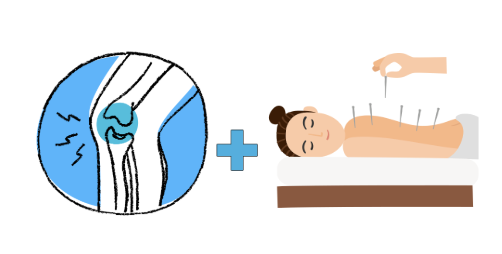
Acupuncture works by stimulating specific points on the body to improve circulation, reduce inflammation, and support the body’s natural healing process.

For joint health, this can make a meaningful difference.

Here’s how:

1. Reduces Inflammation

Acupuncture helps regulate the body’s inflammatory response, which can decrease swelling and discomfort in overworked joints.

2. Improves Circulation

Better blood flow brings oxygen and nutrients to the affected area, supporting tissue repair and recovery.

3. Relieves Muscle Tension Around Joints

Tight muscles can pull on joints and limit movement. Acupuncture helps release that tension, allowing joints to move more freely.

4. Supports Long-Term Mobility

By addressing both the symptoms and the underlying stress on the body, acupuncture helps maintain flexibility and range of motion over time.

5. Encourages Faster Recovery

Instead of pushing through soreness day after day, acupuncture helps your body recover more efficiently between shifts or workouts.

Prevention vs. Reaction

A common misconception is that you should wait until something “really hurts” before seeking treatment.

But when it comes to joint health, prevention is everything.

Many patients at NJ Acupuncture Center use acupuncture not just for pain relief, but to:

  • Stay ahead of stiffness and inflammation

  • Support recovery from physically demanding work

  • Maintain strength and mobility long-term

  • Reduce the risk of more serious injuries

It’s about keeping your body functioning well—not just fixing it when something goes wrong.

What to Expect

Acupuncture sessions are designed to be both effective and relaxing.

During treatment, fine needles are placed in specific points to help your body reset and recover. Most patients feel a sense of relief or relaxation during the session, and there’s no downtime afterward.

Your treatment plan is tailored to your lifestyle, job demands, and specific areas of concern.

A Smarter Way to Take Care of Your Body

If your work puts constant pressure on your joints, taking care of your body isn’t optional—it’s essential.

Acupuncture offers a natural, drug-free way to support joint health, reduce wear and tear, and help you stay active and capable over time.

The Bottom Line

You rely on your body every day. The more you support it now, the better it will support you long-term.

If you’re starting to feel the effects of physical strain—or want to prevent them before they start—acupuncture can help you stay strong, mobile, and resilient.

Book your appointment with NJ Acupuncture Center today and take a proactive approach to your joint health.

Easiest Way To Reset Your Nervous System, Now

If you’ve been feeling constantly “on,” wired but exhausted, or stuck in a loop of stress and poor sleep—you’re not imagining it. Your nervous system may be stuck in overdrive. And while quick fixes like caffeine, scrolling, or even intense workouts might give temporary relief, they don’t actually reset your system.

Acupuncture, however, can.

Why Your Nervous System Feels Out of Balance

Your body is designed to shift between two main states:

  • Sympathetic (fight-or-flight)

  • Parasympathetic (rest-and-digest)

In today’s fast-paced lifestyle—especially in places like Hoboken, Jersey City, and Bayonne—many people are living almost entirely in fight-or-flight mode. Deadlines, commuting, constant notifications, and mental overload keep your body on high alert.

Over time, this can lead to:

  • Trouble sleeping

  • Increased anxiety or irritability

  • Digestive issues

  • Hormonal imbalance

  • Chronic fatigue or burnout

The goal isn’t just to relax temporarily—it’s to help your body remember how to regulate itself.

How Acupuncture Resets the System

Acupuncture works by gently stimulating specific points on the body that communicate directly with your nervous system. Think of it as a signal that tells your body: it’s safe to slow down.

During a session, many patients notice:

  • A deep sense of calm within minutes

  • Slower breathing and heart rate

  • A feeling of heaviness or “melting” into the table

That’s your parasympathetic system turning back on.

Over time, regular treatments can help:

  • Lower cortisol (your stress hormone)

  • Improve sleep quality

  • Support emotional balance

  • Reduce inflammation

  • Increase energy in a sustainable way

It’s Not Just Relaxation—It’s Regulation

One of the biggest misconceptions about acupuncture is that it’s “just relaxing.” While it is deeply calming, the real benefit is that it helps retrain your nervous system.

Instead of constantly reacting to stress, your body becomes more resilient. You recover faster. You sleep deeper. You feel more like yourself again.

A Natural Solution That Fits Your Life

For many patients at NJ Acupuncture Center, acupuncture becomes a key part of their self-care routine—not because it’s complicated, but because it’s simple and effective.

Sessions are:

  • Drug-free

  • Gentle and non-invasive

  • Customized to your specific needs

Whether you’re dealing with stress, burnout, sleep issues, or just feeling “off,” acupuncture meets you where you are.

What to Expect

Your first visit includes a personalized consultation where we look at your symptoms, lifestyle, and goals. From there, your treatment is tailored to support your nervous system and overall health.

Many patients notice improvements quickly, while others experience gradual, long-lasting shifts over a series of treatments.You don’t have to stay stuck in survival mode.

If you’re ready to feel calmer, sleep better, and move through your day with more ease, acupuncture offers a natural and effective way to reset your nervous system—starting now.

Book your appointment with NJ Acupuncture Center today and experience the difference for yourself.

How Acupuncture Helps First Responders Manage Stress and Stay Sharp

How Acupuncture Helps First Responders Manage Stress and Stay Sharp

First responders don’t get the luxury of “off days.” Whether you’re a police officer, firefighter, EMT, or paramedic, your job demands quick thinking, physical endurance, and the ability to stay calm under pressure—often in high-stakes situations.

But that constant state of alertness comes at a cost.

Over time, chronic stress can impact your focus, energy, sleep, and overall health. And while pushing through might feel like part of the job, it’s not a long-term solution. Supporting your body and mind isn’t a weakness—it’s what allows you to keep showing up at your best.

That’s where acupuncture comes in.

The Hidden Toll of High-Stress Work

First responder roles are physically and mentally demanding in ways most people don’t fully understand. Long shifts, unpredictable schedules, and repeated exposure to high-adrenaline situations can take a serious toll.

Common challenges include:

  • Ongoing muscle tension and physical strain

  • Poor or inconsistent sleep

  • Mental fatigue or brain fog

  • Increased anxiety or irritability

  • Burnout and emotional exhaustion

Even when you feel “fine,” your nervous system may still be running in overdrive.

Why Stress Affects Performance

In high-pressure jobs, your body is constantly switching into fight-or-flight mode. This response is useful in emergencies—but when it becomes your default state, it can start working against you.

Chronic stress can:

  • Reduce mental clarity and decision-making speed

  • Disrupt sleep and recovery

  • Increase inflammation and physical discomfort

  • Make it harder to stay calm and focused under pressure

To stay sharp, your body needs balance—not just adrenaline.

How Acupuncture Supports First Responders

Acupuncture works by stimulating specific points on the body to help regulate internal systems and restore balance. For first responders, it offers a way to reset both physically and mentally—without medication or downtime.

Here’s how it helps:

1. Helps Reset the Nervous System

Acupuncture encourages your body to shift out of constant “fight-or-flight” mode and into a more relaxed, restorative state. This helps reduce stress hormones and allows your system to recover more effectively.

2. Improves Focus and Mental Clarity

When your body isn’t overloaded with stress, your mind functions more clearly. Many people notice improved concentration, faster thinking, and better overall mental performance.

3. Supports Better Sleep

Sleep is one of the first things to suffer in high-stress roles. Acupuncture can help regulate sleep patterns, making it easier to fall asleep, stay asleep, and wake up feeling more rested.

4. Relieves Physical Tension and Pain

From tight shoulders to lower back strain, physical wear and tear is common in the field. Acupuncture helps release muscle tension, improve circulation, and support faster recovery.

5. Helps Manage Stress and Emotional Load

First responders often carry more than just physical stress. Acupuncture can help regulate mood, reduce anxiety, and create a sense of calm that carries over into daily life.

Staying Sharp Means Taking Care of Yourself

Being “on” all the time isn’t sustainable without support. The ability to stay focused, make quick decisions, and perform under pressure depends on how well your body is able to recover in between.

Acupuncture isn’t about slowing you down—it’s about helping you function better.

Many first responders incorporate it into their routine to:

  • Improve recovery between shifts

  • Maintain energy levels

  • Stay mentally clear and focused

  • Reduce long-term physical strain

What to Expect

If you’ve never tried acupuncture before, you might be surprised at how relaxing it feels. Sessions typically last 30–60 minutes, and most people experience a sense of calm during and after treatment.

There’s no downtime, and over time, the benefits can build with consistency.

The Bottom Line

You spend your days taking care of others—making fast decisions, handling pressure, and showing up when it matters most. But your health matters, too.

Acupuncture offers a natural, effective way to manage stress, improve focus, and support your body for the long run.

Because staying sharp isn’t just about pushing through—it’s about taking care of what keeps you going.

Arizona Acupuncture Board Tackles Opioid Crisis

We’ve previously talked about how acupuncture can help on the fight against opioid addiction by providing holistic pain relief and helping the symptoms many addicts face, too.

But now, Arizona is doing something about it.

According to TheSentinel.com the State of Arizona Acupuncture Board of Examiners has approving chemical dependency programs for a form of acupuncture that involves the outer ear, also known as auricular acupuncture.

This type of acupuncture is known in traditional Chinese medicine to help break the chains of addiction.

A supporter, Dr. Mario Fontes who is the clinic director of Natural Medicine & Detox in Phoenix says, “I don’t think (auricular acupuncture is) the complete answer, but I think it can really help change the tide.”

In Arizona alone, opioids are responsible for more than 3,000 deaths in only the past two years, with over 21,000 overdoses happening concurrently. (This according to dataf rom the Arizona Department of Health Services.)

Auricular acupuncture, also called “acu-detox:” works by using needles in one of 5 points located along the outer ear and is believed to help reduce pain, stress, and PTSD along with opiate withdrawals.

To help make this available to more who are struggling, the Arizona Acupuncture Board is trying to make it easier for auricular acupuncturists to gain certification.

The director of the board is quoted as saying, ““We are hoping that by providing chemical dependency programs, auricular acupuncture will become more accessible to more people and more parts of the state, especially in rural areas.”

With the program approved last year, certified auricular acupuncturists can now apply to work in approved chemical dependency programs as long as they are supervised by a licensed acupuncturist.

*If you or someone you know is struggling with opioid dependency, it’s important to seek treatment right away.

Introducing AcuScuplt™

For those looking for a natural, alternative therapy to aid in their weight loss efforts, look no further than AcuSculpt . A newly trademarked system designed by NJ Acupuncture Center’s owner and main acupuncturist Ani Baran L.AC, AcuSculpt is leading the way of enabling weight loss through a dual modality approach – combining acupuncture and targeted massage.

The scientifically targeted service aims to slim and tone using a split treatment session of acupuncture immediately followed by firm massage.

The first step of AcuSculpt  involves acupuncture needles strategically placed first within specified weight-loss meridians. Acupuncture is believed to help facilitate weight loss as it stabilizes qi and better facilitates energy flow, while helping to reduce the fat storage hormone leptin. The service can also aid in improving liver function, thus helping the body process waste and properly digest what is consumed.

To further rev up the metabolism, supplemental electro-acupuncture is also used, as micro current stimulation is sent between pairs of acupuncture needles, targeting a releasing of accumulated or difficult to target qi. 

After a 30-minute session, the second portion of the service follows. A firm, stimulating full body massage is performed, helping to release any stubborn or retained gas and/or bloat from the abdomen area as well as fluid retention and accumulation in the thighs.

The combination of services will, over time, stimulate metabolism, regulate bowel movements and help combat fluid retention, swelling, bloating and gas – all while leading to a slimmer and more toned physique.

As with any meaningful health or fitness goals, the key to efficacy is consistency. In regard to expected results, consistent patients can reasonably expect to lose approximately 1-2 pounds per week, when supplemented by a moderate and healthful diet. To monitor progress and weight loss, patients will be measured and weighed upon beginning the treatment cycle.

Added benefits of AcuSculpt  include its potential effect on facial appearance, too. To complement a newly slimmed physique, AcuSculpt  also has demonstrated an ability to target and combat facial bloating, wrinkling and sagging of the skin. Commonly referred to as “cosmetic acupuncture” it can help restore and replenish skin elasticity, bringing fresh healthy blood to areas in need.

The end results? A refreshed and healthy appearance, from head to toe.