Preventing Wear and Tear in Physically Demanding Professions: Acupuncture For Joint Health

If your job keeps you on your feet, lifting, moving, or repeating the same motions all day, your joints are doing a lot more work than you may realize.

Over time, that constant strain can start to show up as stiffness, soreness, or reduced mobility. And for many people, it becomes something they just “live with.”

But joint discomfort isn’t something you have to ignore—and it’s not something you have to wait to fix once it gets worse.

At NJ Acupuncture Center, we focus on helping patients stay ahead of wear and tear, not just react to it.

Why Physically Demanding Jobs Take a Toll on Your Joints

Whether you’re a first responder, healthcare worker, contractor, fitness professional, or constantly on the move for work, your joints absorb repeated stress day after day.

Common areas affected include:

  • Knees from standing, walking, or lifting

  • Shoulders from overhead or repetitive movements

  • Lower back from bending or carrying weight

  • Wrists and elbows from repetitive tasks

At first, it might just feel like occasional soreness. But over time, that repeated stress can lead to:

  • Chronic inflammation

  • Reduced range of motion

  • Muscle tightness around joints

  • Increased risk of injury

The key is addressing it early—before it turns into something more limiting.

The Inflammation Connection

One of the biggest drivers of joint discomfort is inflammation.

When joints are under constant stress, the body responds with inflammation as a protective mechanism. But when that inflammation becomes ongoing, it can start to:

  • Increase pain and stiffness

  • Slow down recovery

  • Affect how joints move and function

This is where many people get stuck in a cycle—working through discomfort without giving the body a chance to fully recover.

How Acupuncture Supports Joint Health

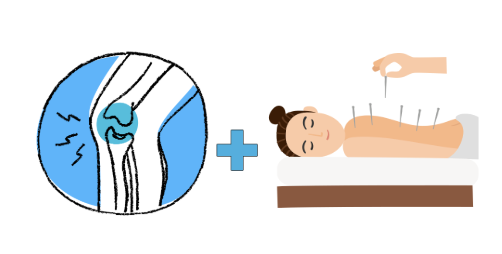
Acupuncture works by stimulating specific points on the body to improve circulation, reduce inflammation, and support the body’s natural healing process.

For joint health, this can make a meaningful difference.

Here’s how:

1. Reduces Inflammation

Acupuncture helps regulate the body’s inflammatory response, which can decrease swelling and discomfort in overworked joints.

2. Improves Circulation

Better blood flow brings oxygen and nutrients to the affected area, supporting tissue repair and recovery.

3. Relieves Muscle Tension Around Joints

Tight muscles can pull on joints and limit movement. Acupuncture helps release that tension, allowing joints to move more freely.

4. Supports Long-Term Mobility

By addressing both the symptoms and the underlying stress on the body, acupuncture helps maintain flexibility and range of motion over time.

5. Encourages Faster Recovery

Instead of pushing through soreness day after day, acupuncture helps your body recover more efficiently between shifts or workouts.

Prevention vs. Reaction

A common misconception is that you should wait until something “really hurts” before seeking treatment.

But when it comes to joint health, prevention is everything.

Many patients at NJ Acupuncture Center use acupuncture not just for pain relief, but to:

  • Stay ahead of stiffness and inflammation

  • Support recovery from physically demanding work

  • Maintain strength and mobility long-term

  • Reduce the risk of more serious injuries

It’s about keeping your body functioning well—not just fixing it when something goes wrong.

What to Expect

Acupuncture sessions are designed to be both effective and relaxing.

During treatment, fine needles are placed in specific points to help your body reset and recover. Most patients feel a sense of relief or relaxation during the session, and there’s no downtime afterward.

Your treatment plan is tailored to your lifestyle, job demands, and specific areas of concern.

A Smarter Way to Take Care of Your Body

If your work puts constant pressure on your joints, taking care of your body isn’t optional—it’s essential.

Acupuncture offers a natural, drug-free way to support joint health, reduce wear and tear, and help you stay active and capable over time.

The Bottom Line

You rely on your body every day. The more you support it now, the better it will support you long-term.

If you’re starting to feel the effects of physical strain—or want to prevent them before they start—acupuncture can help you stay strong, mobile, and resilient.

Book your appointment with NJ Acupuncture Center today and take a proactive approach to your joint health.

Can Acupuncture Help My Skin? Here’s What You Need to Know

When most people think of acupuncture, they think of stress relief, pain management, or maybe even help with sleep. But what about your skin? Can those tiny needles really make a difference when it comes to breakouts, wrinkles, or dullness?

The short answer: Yes, acupuncture can help your skin—and there’s real science to back it up.

Let’s dive into how it works and what you can expect.

How Acupuncture Affects the Skin

Acupuncture is based on the idea of balancing the body's internal systems by stimulating specific points on the body (also known as meridians). When it comes to skin health, this can mean several things:

  • Increasing blood circulation to bring fresh nutrients and oxygen to the skin

  • Balancing hormones that can contribute to acne, rosacea, and other skin issues

  • Reducing inflammation (a major player in skin conditions like eczema and psoriasis)

  • Boosting collagen production, which can help with elasticity, fine lines, and overall glow

When tiny needles are inserted into specific points, it triggers the body's natural healing response. This includes stimulating fibroblasts—the cells responsible for creating collagen and elastin, the two proteins that keep your skin firm and youthful.

In fact, a study published in The Journal of Acupuncture and Meridian Studies (2013) found that acupuncture treatment improved skin hydration and elasticity, especially in aging skin. Another review from Dermatologic Therapy (2014) suggests that acupuncture can be a useful complementary therapy for treating skin conditions like acne, eczema, and even melasma.

What Skin Issues Can Acupuncture Help With?

You might be surprised by how many different skin concerns acupuncture can support, including:

  • Acne and breakouts: By balancing hormone levels, reducing inflammation, and improving lymphatic drainage, acupuncture can help reduce the frequency and severity of breakouts.

  • Rosacea and redness: Acupuncture helps calm an overactive immune system and supports better circulation, which can tone down redness.

  • Aging skin: Facial acupuncture (sometimes called cosmetic acupuncture) promotes collagen production, softens fine lines, and can improve overall tone and texture.

  • Hyperpigmentation: Some studies suggest acupuncture may help regulate melanin production, potentially lightening dark spots over time.

  • Eczema and psoriasis: By calming systemic inflammation and boosting the immune response, acupuncture may help reduce flare-ups and improve comfort.

What a Typical Treatment Looks Like

If you’re coming in for skin concerns, your acupuncturist will likely take a whole-body approach. Skin issues are often a reflection of what’s happening internally—think hormonal imbalances, digestive problems, or chronic stress.

During your session, your acupuncturist may insert fine needles not only on the face but also on points across the body that correspond to digestion, hormonal balance, or stress relief. For example, points along the stomach or spleen meridians are often used for acne treatments, while kidney points may be stimulated for anti-aging concerns.

You might also receive facial acupuncture specifically, which uses even finer needles targeted at the muscles and skin of the face to boost circulation and collagen.

And no, it doesn’t hurt! Most people find it relaxing—some even fall asleep during their sessions.

How Long Until You See Results?

Consistency is key. While some people notice a glow or slight lift after just one session, most skin concerns require a series of treatments to see noticeable changes. Typically, a course of 8–10 sessions is recommended, followed by maintenance treatments once a month.

Your acupuncturist may also recommend dietary changes, herbs, or skincare tips to complement your sessions and speed up your results.

So…

If you’ve been struggling with your skin and feel like you’ve tried everything, acupuncture could be the missing piece. Not only does it address the surface symptoms, but it also gets to the root cause of your skin issues—leading to lasting, real results.

Curious to see if acupuncture could help you glow from the inside out? Book a consultation with us today! Your skin (and your whole body) will thank you.

Acupuncture for the Postpartum Period: A Natural Approach to Healing

Bringing a baby into the world is a transformative experience—beautiful, exhausting, and full of change. While new mothers often focus on their newborn’s health, their own well-being is just as important.

The postpartum period, also known as the fourth trimester, comes with its own set of physical and emotional challenges. From fatigue and hormonal shifts to anxiety and body aches, this time can be both rewarding and overwhelming. Fortunately, acupuncture offers a gentle, natural way to support recovery and overall well-being during this critical period.

How Acupuncture Supports Postpartum Recovery

Acupuncture, an ancient practice rooted in Traditional Chinese Medicine (TCM), involves inserting thin needles into specific points on the body to promote balance and healing. This holistic approach can help new mothers address various postpartum concerns, including:

1. Hormonal Balance and Emotional Well-being

After childbirth, hormone levels fluctuate dramatically, which can contribute to mood swings, anxiety, and even postpartum depression (PPD). Studies suggest that acupuncture may help regulate hormones such as cortisol and oxytocin, improving emotional stability. A study published in the Journal of Affective Disorders found that acupuncture significantly reduced symptoms of postpartum depression, making it a valuable complementary therapy alongside traditional treatments.

2. Physical Recovery and Pain Relief

The birthing process takes a toll on the body, often leaving new mothers with soreness, pelvic pain, and even lingering effects from a C-section. Acupuncture helps improve blood circulation, reduce inflammation, and promote tissue healing. Research in the American Journal of Obstetrics & Gynecology has shown that acupuncture can alleviate postpartum pain, including lower back and pelvic discomfort, making it a great alternative to pain medications.

3. Boosting Energy and Combating Fatigue

New mothers experience sleep deprivation and physical exhaustion as they adjust to their baby's needs. Acupuncture is known to enhance energy levels by improving the body's Qi (vital energy) flow. A study in Evidence-Based Complementary and Alternative Medicine reported that acupuncture can help combat postpartum fatigue by supporting adrenal function and increasing overall vitality.

4. Lactation Support

Breastfeeding can come with its own challenges, such as low milk supply or painful engorgement. In TCM, certain acupuncture points are associated with stimulating milk production and ensuring proper flow. Research from Acupuncture in Medicine suggests that acupuncture treatments can enhance lactation by improving prolactin levels and reducing stress, both of which are crucial for successful breastfeeding.

5. Digestive Health and Postpartum Weight Management

Many women experience digestive issues after childbirth, including bloating, constipation, or sluggish metabolism. Acupuncture can regulate digestion, reduce water retention, and support healthy weight loss by restoring balance to the body's systems. Stimulating key acupuncture points aids in breaking down food efficiently and boosting metabolism.

Is Acupuncture Safe for New Mothers?

Yes! Acupuncture is a safe, non-invasive therapy with minimal side effects when performed by a trained professional. However, it’s essential to choose a licensed acupuncturist experienced in postpartum care. If you’ve had a complicated birth or any medical concerns, consult your healthcare provider before starting acupuncture treatment.

The Takeaway: Prioritize Your Well-being

The postpartum period is a time of immense change, both physically and emotionally. While caring for your newborn is your priority, taking care of yourself is just as crucial. Acupuncture offers a natural, effective way to support postpartum healing, helping mothers feel more balanced, energized, and at peace. We’re here to support you.