
Preventing Wear and Tear in Physically Demanding Professions: Acupuncture For Joint Health

If your job keeps you on your feet, lifting, moving, or repeating the same motions all day, your joints are doing a lot more work than you may realize.

Over time, that constant strain can start to show up as stiffness, soreness, or reduced mobility. And for many people, it becomes something they just “live with.”

But joint discomfort isn’t something you have to ignore—and it’s not something you have to wait to fix once it gets worse.

At NJ Acupuncture Center, we focus on helping patients stay ahead of wear and tear, not just react to it.

Why Physically Demanding Jobs Take a Toll on Your Joints

Whether you’re a first responder, healthcare worker, contractor, fitness professional, or constantly on the move for work, your joints absorb repeated stress day after day.

Common areas affected include:

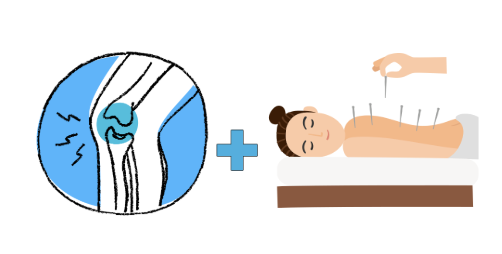
  • Knees from standing, walking, or lifting

  • Shoulders from overhead or repetitive movements

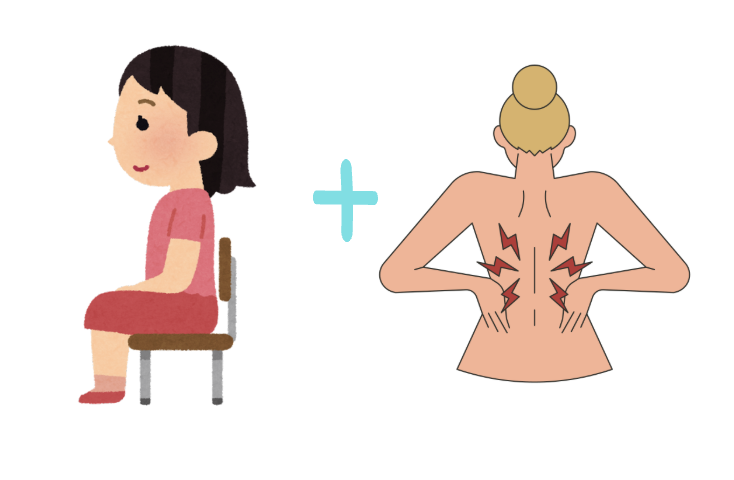
  • Lower back from bending or carrying weight

  • Wrists and elbows from repetitive tasks

At first, it might just feel like occasional soreness. But over time, that repeated stress can lead to:

  • Chronic inflammation

  • Reduced range of motion

  • Muscle tightness around joints

  • Increased risk of injury

The key is addressing it early—before it turns into something more limiting.

The Inflammation Connection

One of the biggest drivers of joint discomfort is inflammation.

When joints are under constant stress, the body responds with inflammation as a protective mechanism. But when that inflammation becomes ongoing, it can start to:

  • Increase pain and stiffness

  • Slow down recovery

  • Affect how joints move and function

This is where many people get stuck in a cycle—working through discomfort without giving the body a chance to fully recover.

How Acupuncture Supports Joint Health

Acupuncture works by stimulating specific points on the body to improve circulation, reduce inflammation, and support the body’s natural healing process.

For joint health, this can make a meaningful difference.

Here’s how:

1. Reduces Inflammation

Acupuncture helps regulate the body’s inflammatory response, which can decrease swelling and discomfort in overworked joints.

2. Improves Circulation

Better blood flow brings oxygen and nutrients to the affected area, supporting tissue repair and recovery.

3. Relieves Muscle Tension Around Joints

Tight muscles can pull on joints and limit movement. Acupuncture helps release that tension, allowing joints to move more freely.

4. Supports Long-Term Mobility

By addressing both the symptoms and the underlying stress on the body, acupuncture helps maintain flexibility and range of motion over time.

5. Encourages Faster Recovery

Instead of pushing through soreness day after day, acupuncture helps your body recover more efficiently between shifts or workouts.

Prevention vs. Reaction

A common misconception is that you should wait until something “really hurts” before seeking treatment.

But when it comes to joint health, prevention is everything.

Many patients at NJ Acupuncture Center use acupuncture not just for pain relief, but to:

  • Stay ahead of stiffness and inflammation

  • Support recovery from physically demanding work

  • Maintain strength and mobility long-term

  • Reduce the risk of more serious injuries

It’s about keeping your body functioning well—not just fixing it when something goes wrong.

What to Expect

Acupuncture sessions are designed to be both effective and relaxing.

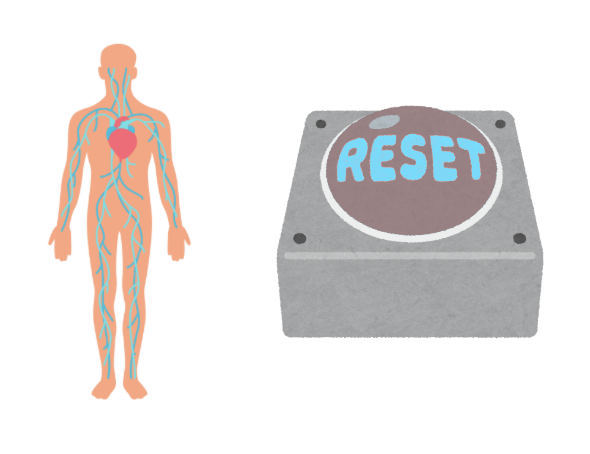
During treatment, fine needles are placed in specific points to help your body reset and recover. Most patients feel a sense of relief or relaxation during the session, and there’s no downtime afterward.

Your treatment plan is tailored to your lifestyle, job demands, and specific areas of concern.

A Smarter Way to Take Care of Your Body

If your work puts constant pressure on your joints, taking care of your body isn’t optional—it’s essential.

Acupuncture offers a natural, drug-free way to support joint health, reduce wear and tear, and help you stay active and capable over time.

The Bottom Line

You rely on your body every day. The more you support it now, the better it will support you long-term.

If you’re starting to feel the effects of physical strain—or want to prevent them before they start—acupuncture can help you stay strong, mobile, and resilient.

Book your appointment with NJ Acupuncture Center today and take a proactive approach to your joint health.

Easiest Way To Reset Your Nervous System, Now

If you’ve been feeling constantly “on,” wired but exhausted, or stuck in a loop of stress and poor sleep—you’re not imagining it. Your nervous system may be stuck in overdrive. And while quick fixes like caffeine, scrolling, or even intense workouts might give temporary relief, they don’t actually reset your system.

Acupuncture, however, can.

Why Your Nervous System Feels Out of Balance

Your body is designed to shift between two main states:

  • Sympathetic (fight-or-flight)

  • Parasympathetic (rest-and-digest)

In today’s fast-paced lifestyle—especially in places like Hoboken, Jersey City, and Bayonne—many people are living almost entirely in fight-or-flight mode. Deadlines, commuting, constant notifications, and mental overload keep your body on high alert.

Over time, this can lead to:

  • Trouble sleeping

  • Increased anxiety or irritability

  • Digestive issues

  • Hormonal imbalance

  • Chronic fatigue or burnout

The goal isn’t just to relax temporarily—it’s to help your body remember how to regulate itself.

How Acupuncture Resets the System

Acupuncture works by gently stimulating specific points on the body that communicate directly with your nervous system. Think of it as a signal that tells your body: it’s safe to slow down.

During a session, many patients notice:

  • A deep sense of calm within minutes

  • Slower breathing and heart rate

  • A feeling of heaviness or “melting” into the table

That’s your parasympathetic system turning back on.

Over time, regular treatments can help:

  • Lower cortisol (your stress hormone)

  • Improve sleep quality

  • Support emotional balance

  • Reduce inflammation

  • Increase energy in a sustainable way

It’s Not Just Relaxation—It’s Regulation

One of the biggest misconceptions about acupuncture is that it’s “just relaxing.” While it is deeply calming, the real benefit is that it helps retrain your nervous system.

Instead of constantly reacting to stress, your body becomes more resilient. You recover faster. You sleep deeper. You feel more like yourself again.

A Natural Solution That Fits Your Life

For many patients at NJ Acupuncture Center, acupuncture becomes a key part of their self-care routine—not because it’s complicated, but because it’s simple and effective.

Sessions are:

  • Drug-free

  • Gentle and non-invasive

  • Customized to your specific needs

Whether you’re dealing with stress, burnout, sleep issues, or just feeling “off,” acupuncture meets you where you are.

What to Expect

Your first visit includes a personalized consultation where we look at your symptoms, lifestyle, and goals. From there, your treatment is tailored to support your nervous system and overall health.

Many patients notice improvements quickly, while others experience gradual, long-lasting shifts over a series of treatments.You don’t have to stay stuck in survival mode.

If you’re ready to feel calmer, sleep better, and move through your day with more ease, acupuncture offers a natural and effective way to reset your nervous system—starting now.

Book your appointment with NJ Acupuncture Center today and experience the difference for yourself.

How Acupuncture Helps First Responders Manage Stress and Stay Sharp

How Acupuncture Helps First Responders Manage Stress and Stay Sharp

First responders don’t get the luxury of “off days.” Whether you’re a police officer, firefighter, EMT, or paramedic, your job demands quick thinking, physical endurance, and the ability to stay calm under pressure—often in high-stakes situations.

But that constant state of alertness comes at a cost.

Over time, chronic stress can impact your focus, energy, sleep, and overall health. And while pushing through might feel like part of the job, it’s not a long-term solution. Supporting your body and mind isn’t a weakness—it’s what allows you to keep showing up at your best.

That’s where acupuncture comes in.

The Hidden Toll of High-Stress Work

First responder roles are physically and mentally demanding in ways most people don’t fully understand. Long shifts, unpredictable schedules, and repeated exposure to high-adrenaline situations can take a serious toll.

Common challenges include:

  • Ongoing muscle tension and physical strain

  • Poor or inconsistent sleep

  • Mental fatigue or brain fog

  • Increased anxiety or irritability

  • Burnout and emotional exhaustion

Even when you feel “fine,” your nervous system may still be running in overdrive.

Why Stress Affects Performance

In high-pressure jobs, your body is constantly switching into fight-or-flight mode. This response is useful in emergencies—but when it becomes your default state, it can start working against you.

Chronic stress can:

  • Reduce mental clarity and decision-making speed

  • Disrupt sleep and recovery

  • Increase inflammation and physical discomfort

  • Make it harder to stay calm and focused under pressure

To stay sharp, your body needs balance—not just adrenaline.

How Acupuncture Supports First Responders

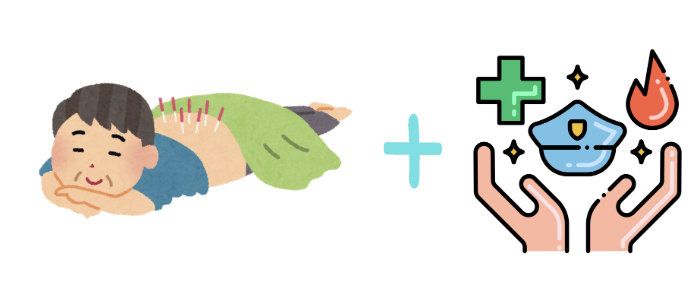
Acupuncture works by stimulating specific points on the body to help regulate internal systems and restore balance. For first responders, it offers a way to reset both physically and mentally—without medication or downtime.

Here’s how it helps:

1. Helps Reset the Nervous System

Acupuncture encourages your body to shift out of constant “fight-or-flight” mode and into a more relaxed, restorative state. This helps reduce stress hormones and allows your system to recover more effectively.

2. Improves Focus and Mental Clarity

When your body isn’t overloaded with stress, your mind functions more clearly. Many people notice improved concentration, faster thinking, and better overall mental performance.

3. Supports Better Sleep

Sleep is one of the first things to suffer in high-stress roles. Acupuncture can help regulate sleep patterns, making it easier to fall asleep, stay asleep, and wake up feeling more rested.

4. Relieves Physical Tension and Pain

From tight shoulders to lower back strain, physical wear and tear is common in the field. Acupuncture helps release muscle tension, improve circulation, and support faster recovery.

5. Helps Manage Stress and Emotional Load

First responders often carry more than just physical stress. Acupuncture can help regulate mood, reduce anxiety, and create a sense of calm that carries over into daily life.

Staying Sharp Means Taking Care of Yourself

Being “on” all the time isn’t sustainable without support. The ability to stay focused, make quick decisions, and perform under pressure depends on how well your body is able to recover in between.

Acupuncture isn’t about slowing you down—it’s about helping you function better.

Many first responders incorporate it into their routine to:

  • Improve recovery between shifts

  • Maintain energy levels

  • Stay mentally clear and focused

  • Reduce long-term physical strain

What to Expect

If you’ve never tried acupuncture before, you might be surprised at how relaxing it feels. Sessions typically last 30–60 minutes, and most people experience a sense of calm during and after treatment.

There’s no downtime, and over time, the benefits can build with consistency.

The Bottom Line

You spend your days taking care of others—making fast decisions, handling pressure, and showing up when it matters most. But your health matters, too.

Acupuncture offers a natural, effective way to manage stress, improve focus, and support your body for the long run.

Because staying sharp isn’t just about pushing through—it’s about taking care of what keeps you going.

Pregnancy related insomnia? We can help with that, too.

Anyone that has ever been pregnant can probably relate all too well to pregnancy related-insomnia, and exhaustion.

But according to recent findings published by Nature and Science of Sleep, acupuncture can improve sleep quality in pregnant women. How? By possibly increasing melatonin secretion, this article in Psychiatry Advisor explains.

Pregnancy related insomnia

Explaining the study, the article hilights a study performed by Saeedeh Foroughinia, MD, of the Obstetrics and Gynecology Department, Shiraz University Medical Sciences, Shiraz, Iran, and colleagues. They conducted a, “randomized, parallel, single-blinded, controlled trial on 72 pregnant women with insomnia. “

The women were assigned randomly to receive either 10 sessions of acupuncture over the span of 3 weeks, or the “control” group which instead received sleep education and sham or “fake” acupuncture.

The results?

The 26 patients who received real acupuncture treatment significantly improved in both the PSQI score ( Pittsburgh Sleep Quality Index ) and 6-sulfatoxymelatonin levels (the main metabolite of melatonin in urine).

We’ve long known how acupuncture can help improve sleep habits, but this is reassuring for anyone experiencing pregnancy insomnia, too!

Researches noted, “Acupuncture efficacy could be attributable to its regulatory effect on various neuroendocrinological pathways.”

They added, “It has been shown that stimulation of certain acupoints resulted in a change in a wide range of neuroendocrinological mediators, such as norepinephrine, melatonin, gamma-aminobutyric acid, and β-endorphin.”

If you’re having trouble sleeping while expecting (or not!) call or click here to book your appointment today!

Having Trouble Going? Acupuncture Can Help

We all know the saying, “When you gotta go, you gotta go”.

But for many among us, having to go can be an unpleasant and painful process. Irritable Bowl Syndrome (IBS is the most common gastrointestinal disorder, affecting nearly 15% of the population. However, IBS is also one of the most underreported disorders in the country, as many people don’t even recognize the symptoms of IBS, or think that they are a problem than can be treated. IBS can cause recurring abdominal pain and discomfort, along with irregular frequency of bowel movements and consistency of stool.

Having Trouble Going? Acupuncture Can Help

Especially with all that is going on in the world right now, it is not uncommon for stress and anxiety to affect our bowel function and manifest in digestive discomforts. While a number of medical treatments that can help aid the symptoms, thankfully one alternative method has been proven to be most effective against one of the most common forms of IBS.

A recent study performed in China at Yiwu Central Hospital has shown acupuncture to be an effective treatment of IBS-D, the form of the disorder associated with diarrhea. Along with receiving herbal medicines, the test group was administered acupuncture at 7 key points, with the needles remaining in place for 30 minutes. The points were chosen because they’re known to benefit the liver and spleen—in particular, soothing the liver and strengthening the spleen. This helps firm the intestines, which prevents diarrhea from occurring.

The treatment was found to be effective and improve the symptoms in over 90% of the patients; in addition, it was found to completely cure the symptoms in nearly 35% of patients! If you or anyone you know is suffering from the symptoms of IBS, acupuncture could be the solution. Balancing the energy in the body helps in all facets of life, even the ones we don’t talk much about.  

Acupuncture for Migraines

There’s no denying the recent times have been difficult for all. It’s stressful, and anything but normal to be secluded for this long. Unfortunately, with stress can come headaches — and those who suffer from migraines know this all too well.

Anyone who has ever suffered from migraines knows how debilitating they can be. They can last anywhere from a few hours to a multiple days, and often bring along other symptoms like nausea and vomiting.

Acupuncture for Migraines

While stress and diet are believed to potentially contribute to migraines, part of the frustration surrounding them is that the cause can be different in each patient, making them extremely difficult to prevent. And chronic migraines can lead to further issues like anxiety and depression.

Thankfully, there is one treatment that seems to be making a difference.

Florida-based, licensed acupuncturist Renee Sarra has been treating migraine sufferers with acupuncture. The treatment can be effective by managing the changes in the brain that migraines bring on. By doing a full body structure assessment, Sarra tries to identify what is bringing the migraines on, then treating through specific acupuncture points. In conjunction with massage therapy, Sarra says acupuncture helps patients relax. As she puts it, she’s trying to “get this fire, this energy out of the head.”


Recently, research conducted at the 254th Hospital in China seems to back up the effectiveness of acupuncture for not only treating migraines, but potentially preventing them. The study tested 120 total migraine patients between the aged of 18 and 70 who were divided into four groups. One group was treates with electroacupuncture in the projection zone, another was treated with conventional acupuncture applied to eight specific points.


Both groups were treated once per day over the course of 10 days, and in both groups, the treatment was successful when compared to the other groups (non-acupoint group and drug group). The Projection Zone group saw an effective rate of 93.3%, while the conventional acupuncture treatment saw an 86.7% success rate. 

If you or someone you know suffers from chronic migraines and hasn’t yet tried acupuncture, a migraine-free future may be just a treatment away.

Happy Spring! Beat Your Allergies With Acupuncture

Beat Your Allergies With Acupuncture

Spring has sprung! You know what that means. The arrival of warm weather, new spring threads, trees budding, flowers blooming, the return of baseball season. But unfortunately, for many of us, that also means the return of dry, itchy eyes, sneezing, congestion, runny noses—all that comes with seasonal allergies.

Nothing can be more frustrating than when allergies hit at an unexpected time and interfere with enjoying the newly arrived nice weather and all the opportunity it brings. The good thing is, there’s time to prepare before the worst of allergy season arrives. And we’re not talking about stocking up on the over the counter allergy meds you see in those lame commercials.

This year, prevent and treat your allergies with the holistic approach of acupuncture.

Acupuncture is a reliable and lasting remedy for allergies because it does two concurrent, crucial things. 1) It treats the symptoms brought on by allergies (those runny noses and itchy throats, etc.) and, 2) it addresses the imbalances in the body’s energy that lead the body to be susceptible to seasonal allergies in the first place. Diet, exercise, pollutants, stress and more can effect the Wei Qi in our body, which is our cellular and molecular defense system. As Dr. Maureen Lamerdin writes: “Wei Qi's function is to protect and defend the body against foreign substances. When the supply of Wei Qi becomes inadequate attacks from bacteria, viruses and allergens get through our Wei Qi's defense system thereby producing symptoms.”

So this year, make sure your Wei Qi’s defense system is operating at its optimal level. An acupuncture regimen will ensure that it is, and that you can enjoy all this coming spring has to offer free from allergies.

Desk Neck? It's a Thing.

Chances are that during this COVID-19 pandemic, you’ve been self-isolating for nearly two weeks now. This means most of us are working from home which, unfortunately, probably means more time being sedentary and on screens which. Unless you have perfect posture, this can result in what we like to call “tech-neck” or “desk-neck.”

Neck pain is not fun, and it has a way of radiating throughout the body and affecting every facet of your daily life, even causing headaches, immobility, and even difficulty sleeping and relaxing. (And many of us are having trouble sleeping and relaxing right now as is!)

Thankfully, acupuncture and acupressure can help.

In many ways, acupressure massage can offer prompt relief of pain and increases mobility.

Here are three spots you can gently try to massage to find some relief.

Desk Neck? It's a Thing.

Fengchi, GB20: this is located along the ear bone nestled in the groove back to where your neck muscles attach to your skull.

Hegu, LI4: this point is located on your hand, in between your thumb and pointer finger.

Jiaji (on the affected side): located along the vertebrae.

Pressing firmly but comfortably along the Fengchi and Hegu points for ten seconds, releasing for five, and repeating again for a series of 5 or 6 times can be an effective at-home exercise to practice.

Don’t let neck pain be, well, a pain in the neck. We’re here to help.

Acupuncture and Depression

Acupuncture and Depression

Recently, Bustle explored something very near and dear to our hearts — the relationship between acupuncture and mental health. Specifically, the relationship between acupuncture and depression.

Speaking to various doctors and practitioners, it spoke of what we already know to be true, but love to hear it time and time again — that acupuncture can, and does help those struggling with a depressed mood.

We know that maintaining a balanced flow of qi can work wonders for mental health, and can release positive-feeling endorphins as well as a calming effect, too.

Bustle spoke with Dr. Josh Klapow Ph.D, a clinical psychologist, who also explained how acupuncture can be a helpful treatment for depression because it can reduce muscle tension, soothe the central nervous system, and improve your mood. It's also an excellent way to take time out of your day for yourself.

Though, Dr. Klapow said that studies have found that acupuncture isn't an effective primary treatment for depression, but rather is most effective when used in conjunction with other options as well. (Like therapy, exercise, dietary changes, etc.)

The article also explored research that has been performed looking into the matter — some positive and some less so.

Some of the more affirming studies included a review study published in the British Journal of Midwifery in 2018 which, “looked at 1,592 studies of depression and acupuncture to see if there was evidence that acupuncture might help postpartum depression." Only three studies fit the bill, and only one of those three showed that acupuncture might be as effective as the antidepressant fluoxetine hydrochloride (Prozac) for treating PPD. The other two studies didn't show much difference, but it certainly didn't seem as if acupuncture did any harm.”

We believe that giving acupuncture a try is ALWAYS worth it — as it quite literally can’t hurt, and can only help.

Medicare Will Now Cover Acupuncture for Low Back Pain

As of January 21st, the Center for Medicaid and Medicare Services (CMS) announced that acupuncture to treat low back pain will now be a covered benefit under section 1862(a)(1)(A) of the Social Security Act. 

The benefit will encompass up to 12 visits within 90 days for covered Medicare beneficiaries if they meet the following criteria. Chronic low back pain (cLBP) is defined in their terms as pain that:

Medicare Will Now Cover Acupuncture
  • Lasts 12 weeks or longer;

  • Is nonspecific, meaning that there is no diagnosis of a metastatic, inflammatory, infectious, etc. disease)

  • Is not associated or resulted from from surgery or pregnancy

On top of the initial 12 visits within 90 days, a patient may also be eligible for eight more sessions for those patients who are demonstrating a marked improvement in their symptoms. However, a maximum of 20 treatments may be administered a covered benefit per year.

And, if a patient is not showing signs of improvement or worse, is somehow regressing, their treatment must be discontinued.

The treatment must also only be performed by a qualified provider CSA defines qualified providers as: “Physician assistants, nurse practitioners/clinical nurse specialists (as identified in 1861(aa)(5)), and auxiliary personnel” that meet all applicable state requirements and have:

  • Masters or doctoral-level degree in acupuncture or Oriental Medicine from a school accredited by the Accreditation Commission on Acupuncture and Oriental Medicine (ACAOM); and

  • current, full, active, and unrestricted license to practice acupuncture in a State, Territory, or Commonwealth (i.e. Puerto Rico) of the United States, or District of Columbia.

Finally, the announcement states, “Auxiliary personnel furnishing acupuncture must be under the appropriate level of supervision of a physician, physician assistant, or nurse practitioner/clinical nurse specialist required by our regulations at 42 CFR §§ 410.26 and 410.27.”

To find out exactly what this means for you, call us today to see what benefits you may have under your insurance and if acupuncture is considered a covered benefit for you. If not, don’t fret! We also offer affordable cash rate options for those without coverage — so that healthy healing is accessible to all.

NBA Star Gives Eye Acupuncture a Try

Basketball fans were given a special “treat” this week when NBA player Bismack Biyombo of the Charlotte Hornets shared a boomerang on Instagram of himself receiving eye-acupuncture.

Well, not actually in his eyes of course — but within the surrounding eye area that is home to many sensitive acupuncture points.

In the video, you can see tears streaming down his face, a common reaction to acupuncture around this area — and that is a good thing! It means it’s working.

Why on earth would he receive acupuncture around his eyes, you may ask? Let us explain…

Anyone who is suffering from an eye condition including vision problems, light sensitivity, floaters, dried eyes, excessive tearing or swelling, and pain can benefit from this treatment. (When provided by a licensed acupuncturist only, of course.)

As Verywell Health explains, the following acupuncture points aim at treating a variety of eye ailments:

The following areas are focused on during acupuncture for eye health.

  • Jingming (UB-1) - Jingming means "bright eyes" and is located in the inner corner of the eye. This point is thought to bring Qi and blood to the eyes and to help eye problems such as cataracts, glaucoma, night blindness, conjunctivitis and blurry vision.6

  • Zanzhu (UB-2) - The Zanzhu point is in the crease at the inner end of the eyebrow. This point is the focus when patients complain of a headache, blurred vision, pain, tearing, redness, eye twitching, and glaucoma.7

  • Yuyao - Yuyao is the in the middle of the eyebrow right above the pupil. This point is used for treating eye strain, eyelid twitching, ptosis (upper eyelid that hangs low), cloudiness of the cornea, redness, and swelling.8

  • Sizhukong (SJ 23) - The Sizhukog area is located in the hollow area at the outside part of the eyebrow. It is thought to be a point where acupuncture can be performed to help eye and facial pain including headaches, redness, eye pain, blurred vision, eye toothache and facial paralysis.9

  • Tongzilia (GB 1) - The Tongzilia is located on the outside corner of the eye. This point is thought to brighten the eyes. Manipulation of this point also helps treat headache, redness, eye

If you are suffering from eye issues and would like to give acupuncture a try, please contact our office to schedule your free consultation and first appointment.

How Acupuncture Can Improve Your Sex Drive

Having a low sex drive can be a difficult thing to deal with. It can affect not only individuals but those who they are in relationships with, too. And because it can often be misconstrued or feel embarrassing, many opt to not share their difficulties with low libido and rather keep their struggle to themselves.

Low sex drive is actually a lot more common that we’d like to believe. About 1 in 3 women between the age of 30 and 70 say they have low sexual desire, and men can also be similarly affected, particularly as they age.

One might not think of low sex drive as a condition or a disorder, or anything that can be “cured”. That is partially true—there may be no one thing that acts as a cure. But acupuncture can definitely help.

Knowing what we know about acupuncture and its efficacy at regulating and balancing certain imbalances in the body, and what contributes to low sex drive, we can determine how acupuncture can help those who are looking for a way to increase their sex drive.

One of the key causes of low sex drive is stress. Stress and libido have an inverse relationship; as stress increases, libido decreases. Depression, fatigue, anxiety and more can all cause high levels of stress, with knock-on effects that can be a detriment to one’s sex drive. The good thing is that acupuncture is one of the most efficient, natural remedies for reducing both mental and physical stress.

In addition, low sex drive can also be a result of hormonal imbalances. Acupuncture is also an effective treatment for re-balancing hormones, in particular, estrogen, progesterone and estradiol, which can all contribute to throwing a woman’s sex drive out of whack. And to show that, again, this isn’t solely a women’s issue, research shows that acupuncture can be an affective and holistic treatment for men'‘s libido issues, too.

Feeling like you have a low sex drive isn’t anything to be embarrassed about. And there are avenues for help that are safe, holistic and effective. Acupuncture is one of them, so don’t hesitate to try it if you think it can help.

How Acupuncture Can Help You Through Those Short Winter Days

Daylight Savings Time was created to help early agrarian societies take better advantage of daytime and sunlight in order to produce crops and complete other work tasks more efficiently. There is lots of debate over whether our modern society needs Daylight Savings Time anymore, with many areas of the world have never utilized it, and even some states abandoning it. The days get shorter in the winter here in the US regardless, but Daylight Savings often results in busy folks barely getting outside in the daytime at all.

It can affect our health, both mental and physical. Seasonal depression is perhaps the most extreme result, but many among us feel a general malaise during the winter months, highlighted by a lack of energy and increased fatigue. Often times, are diets in the winter are more filling, which lead to feels of bloat and contribute these negative feelings.

“During the winter months, it is important to nurture and nourish our Kidney Qi; it is the time where this energy can be most easily depleted,” writes Diane Joswick, L. Ac. “Our bodies are instinctively expressing the fundamental principles of winter – rest, reflection, conservation and storage.”

During a visit for general fatigue and energy issues, an acupuncturist will likely target the kidney, as Diane writes. The kidney is a key part of the body’s regulatory ability. A healthy and optimal kidney helps increase vitality and boost energy, while also increasing the immune system which during the cold winter months is put to the test.

This winter, don’t let the short days and long periods of darkness and cold get you down. Making acupuncture part of your general wellness routine, along with proper diet and exercise, can help prepare your body to naturally stay vibrant and avoid fatigue, as well as the many negative emotions that they can cause.

We promise, you can get through this winter with your energy and vibrancy in tact. And although it feels far away, eventually the days will be long once again!

Sniffle Season? Let Acupuncture Boost Your Immune System

In many parts of the country, November marks the season where temperatures really start to change, when the winter coats and hats and gloves get dusted off and put to use. But bundling up alone won’t shield you from catching the runny noses, sore throats, and sniffles that so many fo us deal with over the cold weather months. While getting enough rest and eating properly can help keep you well, there’s one natural way to boost your immune system so that it’s at peak performance at the right time of year: acupuncture.

Our body’s ability to fight infections and viruses is a result of many different parts of the body that work together. When any of those parts of the body are not operating at their peak, the immune system is weakened. One of the most important parts of the immune system is the spleen. Located near the stomach, the spleen holds many responsibilities, but from an immune system, standpoint, the spleen filters our blood, recycling old red blood cells and and storing platelets and white blood cells which are both responsible for fighting off infections, bacteria, and viruses. Acupuncture regulates our body’s internal system and important organs like the spleen—instead of relying on medications, acupuncture allows the body to perform its functions at close to their peak efficiency and effectiveness.

A study also found that targeted acupuncture is effective at cytokines and helper T cells. Cytokines are proteins that are secreted by cells that help cells interact and communicate with others, and helper T cells are active in the body’s fight against microbes.

Making acupuncture part of your usual Wellness routine is a great idea in general, but especially during this time of the year when many of us fall prey to runny noses, sore throats and the common cold. Help boost your immune system today by coming in for a visit!

Whiplash Is a Common Injury from Car Accidents, Here's How Acupuncture Can Help

Unfortunately, automobile accidents are all too common in our society. And the most common injury from auto accidents is whiplash. Whiplash occurs when the head is jerked forward and/or backward abruptly. It often doesn’t take much; whiplash can occur even in fender benders or thankfully minor accidents. And oftentimes, folks think that they’re okay, only to start experiencing symptoms a day or two after the accident. Of those symptoms? Headaches, dizziness, pain in the neck, numbness in the arms or the hands, difficulty concentrating or remembering, and difficult sleeping and overall fatigue.

There isn’t much that western medicine can do to treat whiplash. Most often doctors will tell a patient to take non steroidal anti-inflammatory medications like ibuprofen and naproxen, and otherwise urge patience to wait it out until the symptoms go away. That’s not a very reassuring plan, particularly when symptoms of whiplash can be severe.

Whiplash is an injury primarily to the spine and neck, which makes it a great candidate for treatment via acupuncture. A traumatic injury like whiplash ultimately results in the blockage of meridians and the stagnation of the body’s naturally healing energy, qi. Acupuncture is able to holistically regulate the body’s energy by opening up the meridians and getting the qi to flow again, particularly to the spine and neck area that are affected by whiplash. That results in a natural anti-inflammation process that helps reduce pain and swelling, as well as the knock-on effects of whiplash that affect other parts of the body.

If seeking acupuncture treatment for whiplash, it’s important to note how long ago the traumatic event was from the beginning of the treatment. Ideally, seeking treatment as soon after the event is helpful—with many injuries like whiplash, the earlier the treatment can begin the better, since this can help keep swelling to a minimum. If the injury occurred a while ago, you can and should still seek acupuncture treatment—the only difference is that the acupuncturist will likely target different meridians, as well as additional parts of the body that have been affected in the meantime.

Ideally, we would never have to treat anyone for whiplash. But accidents happen. Thankfully, we are here to help in case they do.

How Acupuncture Can Help Arthritis

Arthritis is a painful, often life-altering condition that is suffered by far too many.

According to The Arthritis Foundation (Arthritis.org), conservative estimates say that about 54 million adults have doctor-diagnosed arthritis. Of these, 300,000 are babies or children with arthritis or rheumatic condition, babies and children have arthritis or a rheumatic condition, and the most common type of arthritis — osteoarthritis, affects an estimated 31 million Americans.

Thankfully, like many other conditions, acupuncture can help.

By reducing swelling, restoring blood flow, balancing qi and releasing pain-relieving hormones called endorphins, regular acupuncture treatment can help to reduce pain and increase mobility. Research supports this, too.

A 2012 study sought to provide supportive research, as acupuncture is often a bit controversial among eastern medical professionals — unfortunately. Researchers said, “We aimed to determine the effect size of acupuncture for four chronic pain conditions: back and neck pain, osteoarthritis, chronic headache, and shoulder pain.”

The results? Exactly what we’d predict. Acupuncture was, “superior to both sham and no acupuncture control for each pain condition.”

Researchers added, “We believe that our findings are both clinically and scientifically important.”

We also know that acupuncture and herbs is actually more effective than prescribed pharmaceuticals in treating spinal arthritis, and how it helped Bubba the Komodo Dragon restore mobility and reduce pain, too!

(Yes, acupuncture really does help animals just as much as humans!)

Acupuncture is a minimally invasive procedure that is certainly worth trying for anyone suffering from an arthritic condition.

One of the Best Treatments for Knee Pain? You Guessed It — Acupuncture.

Knee pain plagues millions of Americans, and it can seriously effect mobility and quality of life.

Regardless of the cause — arthritis, aging, or injury — acupuncture, especially when paired with chiropractic care, can truly help relieve pain and increase mobility.

Those with chronic, debilitating knee pain may struggle with aspects of daily life, and be prescribed pain relievers and/or anti-inflammatory medications to help. Though, the Journal-Advocate explains, “when the medication wears off, the individual’s only option is to take another pill — and another, and another.”

But instead of traditional pharmaceuticals, acupuncture and chiropractic care can help and can serve as a holistic option to heal.

The Journal-Advocate says, “a chiropractic acupuncturist is an excellent choice for those suffering from chronic, debilitating, degenerative knee pain. The type of care you’ll receive will go beyond hoping something works to relieve your pain. They will consider your whole body and how it is functioning — not just your knee.”

In fact, acupuncture and chiropractic care will also target hybrid issues that often occur in conjunction with knee issues including back or hip issues, and even emotional health disorders that may arise from being in a state of constant pain.

“When each area of the body that is failing to function properly is addressed, the patient can begin to heal and experience real relief from pain,” the article explains.

With acupuncture combined with chiropractic treatment, “mobility can be maximized. The ability to function normally in everyday life can be dramatically improved.”

Here at NJ Acupuncture Center, we are happy to help.

Arizona Acupuncture Board Tackles Opioid Crisis

We’ve previously talked about how acupuncture can help on the fight against opioid addiction by providing holistic pain relief and helping the symptoms many addicts face, too.

But now, Arizona is doing something about it.

According to TheSentinel.com the State of Arizona Acupuncture Board of Examiners has approving chemical dependency programs for a form of acupuncture that involves the outer ear, also known as auricular acupuncture.

This type of acupuncture is known in traditional Chinese medicine to help break the chains of addiction.

A supporter, Dr. Mario Fontes who is the clinic director of Natural Medicine & Detox in Phoenix says, “I don’t think (auricular acupuncture is) the complete answer, but I think it can really help change the tide.”

In Arizona alone, opioids are responsible for more than 3,000 deaths in only the past two years, with over 21,000 overdoses happening concurrently. (This according to dataf rom the Arizona Department of Health Services.)

Auricular acupuncture, also called “acu-detox:” works by using needles in one of 5 points located along the outer ear and is believed to help reduce pain, stress, and PTSD along with opiate withdrawals.

To help make this available to more who are struggling, the Arizona Acupuncture Board is trying to make it easier for auricular acupuncturists to gain certification.

The director of the board is quoted as saying, ““We are hoping that by providing chemical dependency programs, auricular acupuncture will become more accessible to more people and more parts of the state, especially in rural areas.”

With the program approved last year, certified auricular acupuncturists can now apply to work in approved chemical dependency programs as long as they are supervised by a licensed acupuncturist.

*If you or someone you know is struggling with opioid dependency, it’s important to seek treatment right away.

Acupuncture = Less Opioid Prescriptions?

The opioid epidemic our country is currently facing takes the lives of 130 Americans each and every day.


In 2017, overdose death counts were six times higher than those of 1999. And since then, more than 700,000 people have died due to overdosing on the potent prescription pills.


Unfortunately, often the people we trust the most — our physicians, can put people’s lives at risk by over prescribing these pills as a means of pain management. But, acupuncture can help.


How?


The American Academy of Family Physicians reports that recent results from a survey of Uniformed Services AFP members revealed that, ”family physicians who received training in acupuncture prescribed fewer opioids for patients, especially ‘strong’ opioids such as oxycodone and hydrocodone.”


As part of the survey, doctors were asked questions investigating their prescribing habits when it comes to opioids including the frequency they use nontraditional therapies, “such as nutrition, acupuncture and massage.”  

They were asked to estimate the number of patients they had written a prescription for “weak” and “strong” opioids for chronic, noncancer  pain.

The difference lied in the those that prescribed strong opioids — like morphine, oxycodone and fentanyl.


“More than 5 percent of family physicians with no training in acupuncture reported that on average, they wrote prescriptions for strong opioids for 11 or more chronic noncancer pain patients each month.” But of those family physicians who are trained in auricular acupuncture, only two percent wrote that many.  


The bottom line?


Though not a scientific study, it’s promising to know that those doctors who are familiar with the power of acupuncture are writing less prescriptions for such dangerous drugs.


Being aware of nontraditional therapies is important for all who are seeking pain relief, as these types of pills should be considered a last resort in most cases.


Acupuncture for Weight Loss? Six Ways it Can Help

Falling a little short on that New Years Resolution to lose weight?

Or, are you realizing that summer is fast approaching (woohoo!) and you’re looking to shed a few more pounds?

Let acupuncture help.

There are a myriad of ways that acupuncture can assist you towards reaching your weight loss goals, and just last week, US News and World Report covered six of them.

Here’s how.

  • Acupuncture may affect your hormones.

    • “"The researchers concluded that acupuncture may help people with pre-diabetes lose weight by reducing their insulin and leptin resistance; both insulin and leptin are appetite-regulating hormones that can play a role in long-term weight-loss.”

  • Acupuncture promotes healthy digestion.

    • By restoring qi, acupuncture can provide improved blood flow to your stomach, hereby improving digestion.

  • Acupuncture can relieve stress.

    • Acupuncture can help to release endorphins, which are stress reducing. The article explains, "no matter how you choose to manage stress, though, doing so effectively is critical for weight loss and maintenance.”

  • Acupuncture may reduce cravings.

    • Reducing your cravings leads to healthier food choices, and weight loss will typically follow. The article quotes family physician Dr. Wayne Jonas as saying, “We know that food addictions can lead to weight gain…Acupuncture might alter brain chemicals associated with these addictions and, in this way, help with weight loss.”

  • Acupuncture can lead to better sleep.

    • By lowering stress levels and promoting relaxation, acupuncture helps restore sleep. Sleep is essential to weight loss for many reasons, including the need for proper rest to facilitate digestion.

  • Acupuncture can boost your energy.

    • “For relatively healthy folks just trying to drop a few pounds, though, an acupuncture-related energy boost can support diet and exercise behaviors that may lead to weight loss.” More engery AND weight loss? Sign us up!