

How Acupuncture Helps First Responders Manage Stress and Stay Sharp
/How Acupuncture Helps First Responders Manage Stress and Stay Sharp
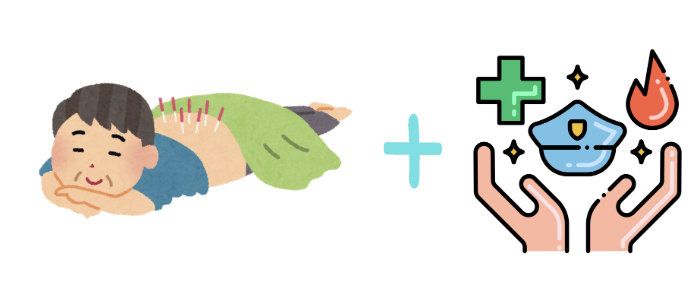
First responders don’t get the luxury of “off days.” Whether you’re a police officer, firefighter, EMT, or paramedic, your job demands quick thinking, physical endurance, and the ability to stay calm under pressure—often in high-stakes situations.
But that constant state of alertness comes at a cost.
Over time, chronic stress can impact your focus, energy, sleep, and overall health. And while pushing through might feel like part of the job, it’s not a long-term solution. Supporting your body and mind isn’t a weakness—it’s what allows you to keep showing up at your best.
That’s where acupuncture comes in.
The Hidden Toll of High-Stress Work
First responder roles are physically and mentally demanding in ways most people don’t fully understand. Long shifts, unpredictable schedules, and repeated exposure to high-adrenaline situations can take a serious toll.
Common challenges include:
Ongoing muscle tension and physical strain
Poor or inconsistent sleep
Mental fatigue or brain fog
Increased anxiety or irritability
Burnout and emotional exhaustion
Even when you feel “fine,” your nervous system may still be running in overdrive.
Why Stress Affects Performance
In high-pressure jobs, your body is constantly switching into fight-or-flight mode. This response is useful in emergencies—but when it becomes your default state, it can start working against you.
Chronic stress can:
Reduce mental clarity and decision-making speed
Disrupt sleep and recovery
Increase inflammation and physical discomfort
Make it harder to stay calm and focused under pressure
To stay sharp, your body needs balance—not just adrenaline.
How Acupuncture Supports First Responders
Acupuncture works by stimulating specific points on the body to help regulate internal systems and restore balance. For first responders, it offers a way to reset both physically and mentally—without medication or downtime.
Here’s how it helps:
1. Helps Reset the Nervous System
Acupuncture encourages your body to shift out of constant “fight-or-flight” mode and into a more relaxed, restorative state. This helps reduce stress hormones and allows your system to recover more effectively.
2. Improves Focus and Mental Clarity
When your body isn’t overloaded with stress, your mind functions more clearly. Many people notice improved concentration, faster thinking, and better overall mental performance.
3. Supports Better Sleep
Sleep is one of the first things to suffer in high-stress roles. Acupuncture can help regulate sleep patterns, making it easier to fall asleep, stay asleep, and wake up feeling more rested.
4. Relieves Physical Tension and Pain
From tight shoulders to lower back strain, physical wear and tear is common in the field. Acupuncture helps release muscle tension, improve circulation, and support faster recovery.
5. Helps Manage Stress and Emotional Load
First responders often carry more than just physical stress. Acupuncture can help regulate mood, reduce anxiety, and create a sense of calm that carries over into daily life.
Staying Sharp Means Taking Care of Yourself
Being “on” all the time isn’t sustainable without support. The ability to stay focused, make quick decisions, and perform under pressure depends on how well your body is able to recover in between.
Acupuncture isn’t about slowing you down—it’s about helping you function better.
Many first responders incorporate it into their routine to:
Improve recovery between shifts
Maintain energy levels
Stay mentally clear and focused
Reduce long-term physical strain
What to Expect
If you’ve never tried acupuncture before, you might be surprised at how relaxing it feels. Sessions typically last 30–60 minutes, and most people experience a sense of calm during and after treatment.
There’s no downtime, and over time, the benefits can build with consistency.
The Bottom Line
You spend your days taking care of others—making fast decisions, handling pressure, and showing up when it matters most. But your health matters, too.
Acupuncture offers a natural, effective way to manage stress, improve focus, and support your body for the long run.
Because staying sharp isn’t just about pushing through—it’s about taking care of what keeps you going.
