

How Acupuncture Helps Regulate Stress Hormones for a Longer, Healthier Life

When we think about longevity, we often focus on diet or exercise—but one of the most important (and often overlooked) factors influencing how we age is chronic stress.
For many people in Hoboken, Jersey City, and Bayonne, fast-paced schedules, long commutes, and constant digital stimulation can make stress feel unavoidable. Over time, that stress doesn’t just affect your mood—it impacts nearly every system in the body.

The Hidden Impact of Stress on Longevity

Stress triggers the release of cortisol, the body’s primary stress hormone. While helpful in short bursts, chronically elevated cortisol has been linked to accelerated aging and a range of long-term health concerns.

Research shows that prolonged stress can contribute to:

  • Disrupted sleep cycles, making it harder to enter deep, restorative sleep

  • Chronic inflammation, a key driver of many age-related conditions

  • Weakened immune function, leaving the body more vulnerable to illness

  • Hormonal imbalances, affecting metabolism, mood, and energy levels

  • Increased risk of cardiovascular issues, including high blood pressure

There is also growing evidence that chronic stress may impact cellular aging, including the shortening of telomeres (protective caps on DNA), which are associated with lifespan and overall health.

Left unmanaged, these effects don’t just impact how you feel day to day—they can influence how your body functions over time.

How Acupuncture Supports Stress Relief

Acupuncture has been used for thousands of years to promote balance within the body, and today, it is increasingly recognized as a powerful tool for stress management and nervous system regulation.

Modern research suggests that acupuncture may help:

  • Activate the parasympathetic nervous system, shifting the body out of “fight or flight” and into a restorative state

  • Reduce cortisol levels, helping regulate the body’s stress response

  • Support the release of endorphins, the body’s natural feel-good chemicals

  • Improve heart rate variability (HRV), an important marker of resilience and stress adaptation

For acupuncture patients this translates to a noticeable sense of calm—often during the treatment itself.

Over time, consistent acupuncture care can help retrain the body to respond to stress more efficiently, rather than remaining in a constant state of tension.

Why Stress Management Is a Longevity Strategy

Longevity isn’t just about adding years to your life—it’s about improving the quality of those years.

By helping regulate stress, acupuncture may support:

  • Deeper, more restorative sleep, which is essential for cellular repair

  • Improved energy levels, as the body conserves and uses energy more efficiently

  • Better mental clarity and mood stability

  • Reduced inflammation, which plays a role in many chronic conditions

  • Greater resilience to daily stressors, both physically and emotionally

Over time, these benefits can reduce the cumulative “wear and tear” on the body—sometimes referred to as allostatic load, or the burden of chronic stress.

A Local, Natural Approach to Long-Term Wellness

If you’re searching for acupuncture in Hoboken, Jersey City, or Bayonne, incorporating regular treatments into your routine can be a simple, natural way to support both immediate relief and long-term health.

Unlike quick fixes, acupuncture works with your body over time—helping restore balance, improve function, and support healthier aging from the inside out.



Acupuncture Doesn't Just Help Cancer Patients, But Caregivers Too

Learning that a loved one has been diagnosed with cancer can be one of the most difficult things for someone to experience. It not only changes the life for the person who is fighting the battle themselves, but it can radically alter the life of those closes to them.

Depending on each situation, close family or friends may have to take a lot of time out of their schedule to help care for their loved one. Often times, caregivers can put forth such an effort in taking care of their loved one that their own self-care gets ignored. This can lea to a snowball effect, causing emotional stress as well as pain and discomfort.

The benefits of acupuncture for cancer patients reach far and wide. But it can also do wonders for those who are taking care of cancer patients, whether professionally or for somebody close to them. Tamera Anderson-Hanna, herself a cancer survivor, wrote on CureToday.com about her experiences as a caregiver for family who were also diagnosed with cancer, and how acupuncture became a crucial part of her self-care regimen.

Most of her discomfort was emotional, as she explains, “I was definitely experiencing stress with the news of family members being diagnosed with cancer after the new year and have found acupuncture has helped me to experience improved sleep and feeling less stressed as a caregiver.”

But as we know, emotional stress also takes its toll on the physical body. Tamera’s acupuncturist also treated her neck, which is where she was carrying most of her stress. Acupuncture helped Tamera “sleep better at night, assists in experiencing less pain or tension in my body and allows me to redirect my energy to a more positive focus and perspective, thus having more good energy.”

If you or anyone you know is experiencing emotional or physical distress from taking care of someone else, acupuncture isn’t just there for those who have been diagnosed with an illness. Caregivers must ensure they’re taken care of as well.

Acupuncture = Less Opioid Prescriptions?

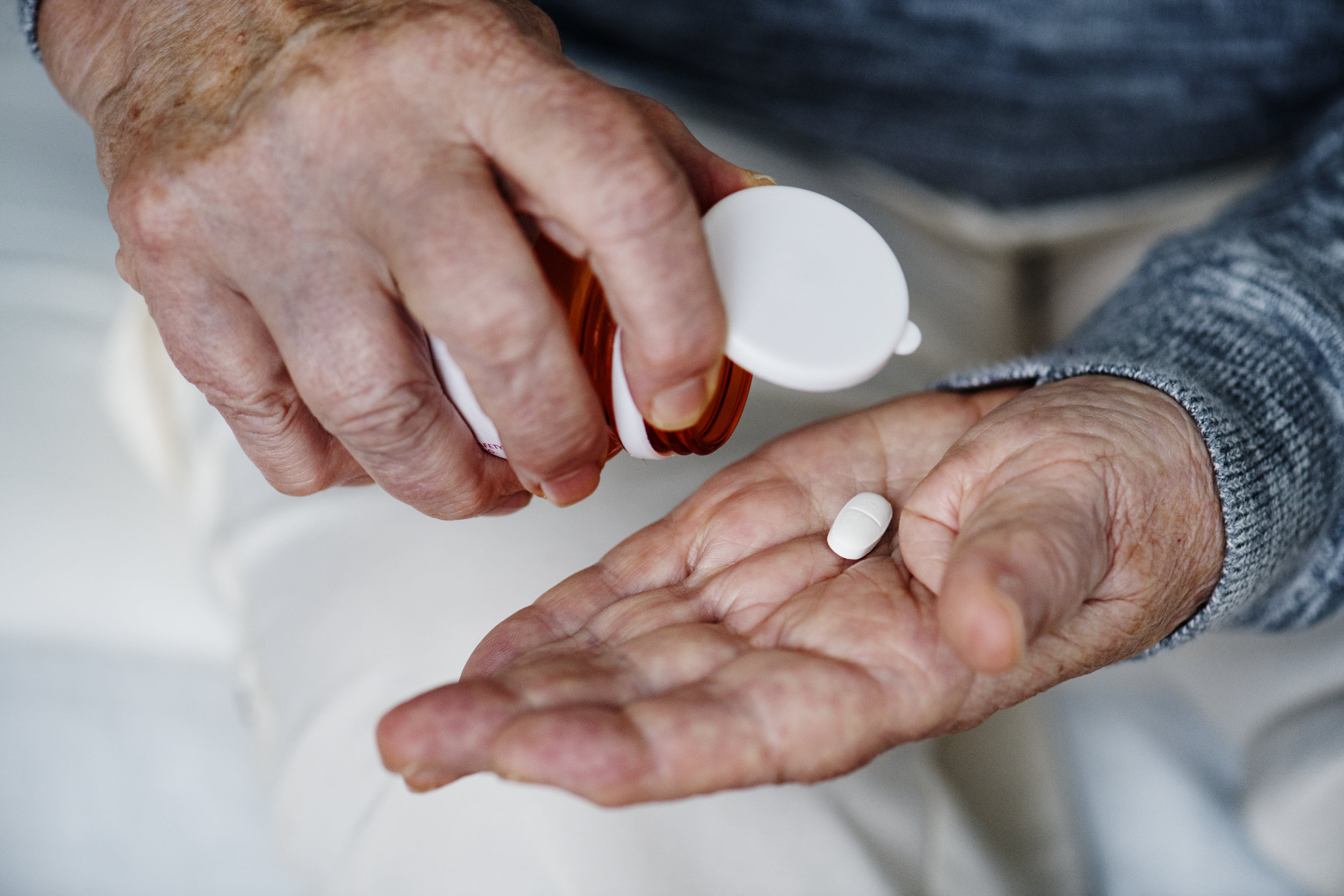
The opioid epidemic our country is currently facing takes the lives of 130 Americans each and every day.


In 2017, overdose death counts were six times higher than those of 1999. And since then, more than 700,000 people have died due to overdosing on the potent prescription pills.


Unfortunately, often the people we trust the most — our physicians, can put people’s lives at risk by over prescribing these pills as a means of pain management. But, acupuncture can help.


How?


The American Academy of Family Physicians reports that recent results from a survey of Uniformed Services AFP members revealed that, ”family physicians who received training in acupuncture prescribed fewer opioids for patients, especially ‘strong’ opioids such as oxycodone and hydrocodone.”


As part of the survey, doctors were asked questions investigating their prescribing habits when it comes to opioids including the frequency they use nontraditional therapies, “such as nutrition, acupuncture and massage.”  

They were asked to estimate the number of patients they had written a prescription for “weak” and “strong” opioids for chronic, noncancer  pain.

The difference lied in the those that prescribed strong opioids — like morphine, oxycodone and fentanyl.


“More than 5 percent of family physicians with no training in acupuncture reported that on average, they wrote prescriptions for strong opioids for 11 or more chronic noncancer pain patients each month.” But of those family physicians who are trained in auricular acupuncture, only two percent wrote that many.  


The bottom line?


Though not a scientific study, it’s promising to know that those doctors who are familiar with the power of acupuncture are writing less prescriptions for such dangerous drugs.


Being aware of nontraditional therapies is important for all who are seeking pain relief, as these types of pills should be considered a last resort in most cases.