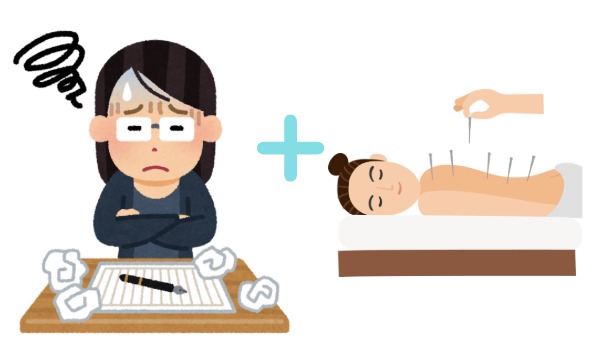

Teacher Burnout In Spring Is Real: How Acupuncture Can Help You Reset

By the time spring is in full swing, many teachers are running on empty.

The excitement of the school year has faded, testing season is in full effect, behaviors can become more challenging, and exhaustion starts to build physically, mentally, and emotionally. Even teachers who love what they do often find themselves overwhelmed this time of year.

At NJ Acupuncture Center, we work with many educators who say the same thing in the spring: “I’m completely burnt out.” The good news is that burnout is not something you simply have to “push through.” Acupuncture can help your body and nervous system reset so you can feel more balanced, rested, and supported.

Why Spring Burnout Hits Teachers So Hard

Teaching requires constant mental energy, emotional regulation, multitasking, and physical stamina. By springtime, months of stress begin catching up with the body.

Many teachers experience:

  • Constant fatigue

  • Trouble sleeping

  • Anxiety or irritability

  • Brain fog and lack of focus

  • Headaches and tension

  • Tight shoulders, neck pain, or back pain

  • Frequent illness from a weakened immune system

  • Feeling emotionally drained or overstimulated

Even during time off, many educators struggle to truly relax because their nervous systems have been stuck in “go mode” for months.

How Acupuncture Helps Reset the Nervous System

Acupuncture is designed to help the body move out of chronic stress mode and into a more balanced state. Treatments stimulate specific points in the body that help regulate the nervous system, reduce inflammation, improve circulation, and encourage the body’s natural healing response.

For teachers experiencing burnout, acupuncture can help:

Lower Stress Levels

Acupuncture helps calm the nervous system and reduce the body’s stress response. Many patients leave treatments feeling lighter, calmer, and mentally clearer.

Improve Sleep Quality

Burnout and poor sleep often go hand in hand. Acupuncture can help improve sleep patterns so you fall asleep more easily, stay asleep longer, and wake up feeling more rested.

Ease Physical Tension

Hours spent standing, sitting at desks, grading papers, and managing stress physically affect the body. Acupuncture may help reduce tension headaches, neck pain, shoulder tightness, and lower back discomfort.

Support Emotional Wellness

Teaching is deeply emotional work. Acupuncture can help regulate mood, reduce feelings of overwhelm, and support emotional balance during especially stressful parts of the school year.

Boost Energy Naturally

When the body is constantly stressed, energy levels crash. Acupuncture works to restore balance and support healthier, more sustainable energy without relying solely on caffeine to get through the day.

Teachers Spend All Year Supporting Everyone Else

Teachers are constantly showing up for students, coworkers, and families—but often neglect their own health in the process. Spring is the perfect time to pause, reset, and give your body the care it deserves before heading into summer completely depleted.

At NJ Acupuncture Center, we believe self-care for teachers is not a luxury—it’s essential. Whether you’re feeling physically exhausted, mentally overwhelmed, emotionally drained, or all of the above, acupuncture can help support your body through one of the most demanding times of the school year.

Because burnout may be common among teachers—but it shouldn’t feel normal.

Retired? How Acu Can Give Your Body What It Needs

Retirement is often painted as the reward after decades of hard work: slower mornings, more time with family, travel plans, hobbies, and finally the chance to focus on yourself. But for many people, retirement can also bring unexpected physical and emotional changes. A body that once ran on packed schedules and constant movement may suddenly feel stiff, tired, achy, or out of balance.

At NJ Acupuncture Center, we often hear retirees say the same thing: “I finally have time to enjoy life, but my body isn’t cooperating.” The good news? Acupuncture can help support your body during this new chapter and give it exactly what it needs to feel stronger, calmer, and more energized.

Retirement Changes the Body More Than People Expect

Even positive life transitions can affect the nervous system and overall health. Many retirees notice:

  • Increased joint pain or stiffness

  • Fatigue and lower energy levels

  • Trouble sleeping

  • Digestive issues

  • Increased stress or anxiety

  • Feeling less active or mobile

  • Chronic pain becoming more noticeable

  • Muscle tension from years of physical wear and tear

When work routines disappear, the body sometimes slows down too much. Daily movement changes, stress patterns shift, and underlying aches that were once ignored can suddenly move front and center.

That’s where acupuncture can make a major difference.

How Acupuncture Supports Healthy Aging

Acupuncture works by helping the body return to balance. Thin, gentle needles stimulate specific points in the body that support circulation, reduce inflammation, calm the nervous system, and encourage the body’s natural healing response.

For retirees, acupuncture can help:

Reduce Everyday Aches and Pains

Whether it’s knee pain, back pain, arthritis discomfort, neck tension, or lingering injuries, acupuncture is known for helping reduce inflammation and improve mobility. Many patients report feeling looser, lighter, and more comfortable after regular sessions.

Improve Sleep Quality

Retirement should not mean tossing and turning all night. Acupuncture helps regulate the nervous system, making it easier to fall asleep, stay asleep, and wake up feeling rested.

Increase Energy Naturally

Many retirees experience fatigue even without demanding schedules. Acupuncture can support better circulation, improved sleep, and reduced stress—all of which contribute to healthier energy levels without relying on caffeine or medications.

Support Mental and Emotional Wellness

Life transitions can bring emotional shifts, too. Retirement sometimes creates feelings of uncertainty, loneliness, or loss of routine. Acupuncture promotes relaxation and can help ease stress, anxiety, and overwhelm while supporting overall emotional balance.

Keep You Active

The goal of healthy aging isn’t just living longer—it’s feeling good enough to enjoy life. Whether you want to golf, garden, travel, play with grandchildren, or simply move comfortably through the day, acupuncture can help support mobility and recovery.

Acupuncture Is Gentle, Natural, and Personalized

One of the reasons so many retirees love acupuncture is because treatments are customized to the individual. There is no one-size-fits-all approach. At NJ Acupuncture Center, treatments are tailored to your body, your goals, and your lifestyle.

Many patients also appreciate that acupuncture is:

  • Drug-free

  • Non-invasive

  • Relaxing

  • Safe for long-term wellness support

  • Designed to work alongside other healthcare treatments

Your Retirement Should Feel Good

You spent years taking care of work, responsibilities, and everyone else around you. Retirement is finally your opportunity to take care of yourself, too.

If your body has been asking for more support, more rest, or more balance, acupuncture may be exactly what it needs.

At NJ Acupuncture Center, we believe healthy aging should feel empowering—not limiting. Whether you’re looking to reduce pain, improve sleep, regain energy, or simply feel more like yourself again, acupuncture can help you enjoy retirement with greater comfort and vitality.

Acupuncture More Effective than Pills for Gout Relief

A unique form of arthritis, gout is most often experienced as a sudden and painful attack of swelling, redness and pain in the joints — commonly the feet. It can appear out of nowhere, and can come and go, only adding to the frustration of the disease.

Thankfully, it has been proven acupuncture can help. In fact, it’s even more effective than traditional medicine in treating gout.

All patients in the study were, “given standardized lifestyle and dietary advice to help them manage their condition. This included reducing their dietary intake of high-purine foods, organ meats, and alcohol. Patients were counseled on avoiding stress, cold temperature exposure, and overwork. All patients were advised to increase water consumption.”

These are healthy habits that can hep to improve anyone’s lifestyle and overall health.

As far as the two study groups, those in the drug group were prescribed indomethacin enteric-coated 75 mg tablets to be taken twice daily for 10 days.

Patients in the acupuncture group did not take the medication, and instead had acupuncture treatment administered at the following primary acupoints:

  • Zusanli (ST36)

  • Sanyinjiao (SP6)

  • Yinlingquan (SP9)

  • Quchi (LI11)

  • Ashi points

Overall, HealthCMI reports that . acupuncture produced a higher total effective rate than the medication, including greater reductions in pain, swelling, and redness.

The study yielded an 86.96% effective rate in improvements in a patients clinical symptoms, as opposed to those who were taking the pharmaceutical. Unsurprisingly, acupuncture also caused fewer adverse reactions, with an incidence of just 2.17% compared with 23.91% in the drug group.

The numbers speak for themselves.

There are ways to prevent gout, too. The MayoClinic recommends:

  • Drinking plenty of fluids

  • limiting or abstaining from alcohol

  • Increasing protein from low-fat dairy . products

  • Limiting intake of fish, meat and poultry

  • Maintaining a healthy body weight