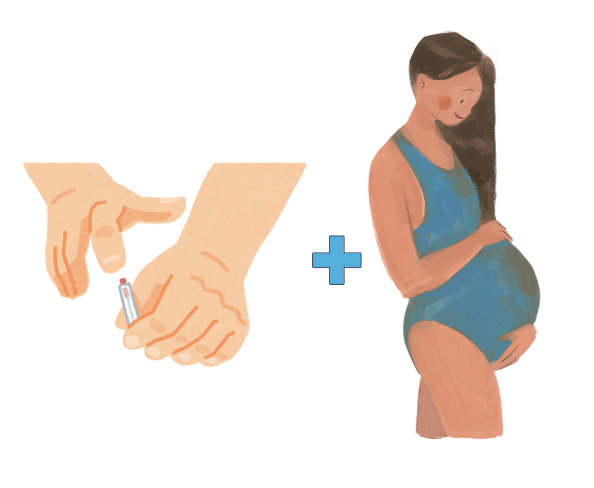

Acupuncture x Pregnancy: Natural Support for Every Trimester

Pregnancy is an incredible experience—but it can also be physically demanding, emotionally overwhelming, and exhausting for the body. From nausea and fatigue to sleep struggles, anxiety, and aches that seem to appear overnight, many moms-to-be are searching for safe, natural ways to feel better throughout pregnancy.

At NJ Acupuncture Center, we offer acupuncture treatments designed to support both mom and baby during every stage of pregnancy. Gentle, relaxing, and customized to your needs, acupuncture can help ease common pregnancy symptoms while supporting overall wellness throughout your journey.

Is Acupuncture Safe During Pregnancy?

When performed by a licensed and experienced practitioner trained in prenatal care, acupuncture is considered safe during pregnancy. Treatments are specifically tailored to each trimester and designed to support the body as it changes week by week.

Many patients incorporate acupuncture into their wellness routine throughout pregnancy as a way to manage discomfort naturally and prioritize both physical and emotional balance.

Common Pregnancy Symptoms Acupuncture May Help Support

Every pregnancy is different, but many women experience symptoms that can make daily life more challenging. Acupuncture is often used to help support relief from:

  • Morning sickness and nausea

  • Fatigue and low energy

  • Headaches

  • Anxiety and stress

  • Insomnia and sleep disturbances

  • Back pain and hip pain

  • Neck and shoulder tension

  • Swelling and circulation issues

  • Sciatica

  • Heartburn and digestive discomfort

Treatments are gentle and deeply relaxing, giving many moms-to-be an opportunity to slow down and reconnect with their bodies during a time that can feel physically and emotionally nonstop.

Supporting the Nervous System During Pregnancy

Pregnancy brings major hormonal and emotional changes. Even during joyful moments, the nervous system can become overstimulated from stress, physical discomfort, mental load, and anticipation surrounding birth and motherhood.

Acupuncture helps encourage the body’s parasympathetic response—often called the “rest and digest” state—which may help calm the nervous system and promote a greater sense of relaxation and emotional regulation.

Many patients leave treatments feeling lighter, calmer, and more grounded.

Acupuncture for Sleep During Pregnancy

Sleep can become increasingly difficult throughout pregnancy, especially during the second and third trimesters. Physical discomfort, anxiety, frequent waking, and hormonal changes can all interfere with restful sleep.

Acupuncture may help promote relaxation and improve overall sleep quality naturally, without relying on medications. Better sleep can also positively impact mood, energy levels, and overall well-being during pregnancy.

Preparing the Body for Labor

In the later weeks of pregnancy, many women choose to continue acupuncture treatments as part of their birth preparation routine. Prenatal acupuncture sessions may help the body stay relaxed, balanced, and supported leading up to labor.

Treatments are always personalized and adjusted based on your stage of pregnancy, symptoms, and comfort level.

Prioritizing You During Pregnancy

Pregnancy often comes with endless appointments, planning, and focus on the baby—but your well-being matters, too.

Acupuncture creates intentional time to care for your body, calm your nervous system, and support your health throughout pregnancy in a holistic, gentle way.

At NJ Acupuncture Center, we’re honored to support patients during every phase of motherhood—from fertility and pregnancy through postpartum healing and beyond.

If you’re looking for natural support during pregnancy, acupuncture may help you feel more balanced, rested, and supported every step of the way.

A Bite of Acupuncture Helps Soothe Tooth Pain

adult-beauty-close-up-925301.jpg

It’s a terrible feeling – you take a sip of a nice cold beverage, and all of a sudden a sharp pain bears down on your tooth. It may mark the beginning of a long tough road dealing with a persistent toothache. While a trip to the dentist is certainly in order, you don’t want to reach for the over-the-counter pain medications in the meantime. Instead, there’s a natural way to effectively and safely treat that nagging tooth pain and restore a happy life of carefree eating and drinking.

Pain is a result of the body’s energy being all out of whack. The meridians that course throughout our body, that tell our brain whether or not we should be feeling pain, are blocked. Acupuncture opens up these channels, allowing the body’s energy to balance out, which relieves pain. Treating a toothache is no different than any other pain. When our tooth hurts, the meridians that lead to the mouth are acting up and need to be cleared.

"Treatment is directed toward soothing the circulation and detoxifying the meridians near the affected area,” say acupuncturists from Advanced Acupuncture in Santa Monica, CA.

There are a number of specific points that acupuncturists target when a patient is dealing with a toothache, depending on where in the mouth the pain is being experienced. “Ear gate” is targeted to alleviate upper-jaw tooth pain, while the “jawbone” point, located in the stomach, is more specific to mouth and jaw pain. Another stomach point, “below the joint” treats lower jaw tooth pain.

Of course, if you are experiencing any tooth or jaw pain, it is recommended that you see a dentist, who can assess problems with the teeth, gums or jaw. But the great thing about acupuncture for tooth pain is that it is effective whether the patient is experiencing pain before or after a visit to the dentist. So if you’re feeling some discomfort in those pearly whites, or just got them treated and are recovering, don’t hesitate to see us!

Beat Holiday Stress with Acupuncture

This time of year is filled with fun get togethers with family and friends, festive happenings, delicious treats and lots shopping. It’s also filled with, sometimes, lots of stress. Often, people also experience the holiday blues, a feeling of general sadness.

Stress, tension and/or sadness shouldn’t take away from your enjoyment of the holiday season, yet all too often it does. Acupuncture is a fantastic option to decompress, relieve muscle stress, and increase endorphins.

If you’re feeling overworked and are having trouble tackling your holiday to-do list with a peaceful mind, acupuncture sessions can help to restore your sense of well-being and relaxation.

In this Psychology Today article, scientific studies that prove the effects of acupuncture as a treatment for anxiety and depression are discussed.

In the article, author of a 2013 study in the Journal of Endocrinology authored by Eshkevari, “showed that rats who endured stress conditions and then received acupuncture had lowered blood hormone levels secreted by the hypothalamus pituitary adrenal (HPA) axis (which controls reactions to stress and regulates processes like the immune system, digestion, emotions and moods and sexuality.)”

Based on these results, Eshkevari stated, ““We found that electronic acupuncture blocks the chronic, stress-induced elevations of the HPA axis hormones and the sympathetic NPY pathway…. Our growing body of evidence points to acupuncture’s protective effect against the stress response.”

The article’s author Teri Goetz, MS, LAC, ACC ended the piece saying, “The experience of acupuncture is, for most of my patients, quite pleasant and relaxing. Once the needles are in, the patient lies quietly on the table with low lighting, lovely music playing and often with aromatherapy incorporated into the process. The patients leave feeling “blissed out” — and a new phrase has been coined in my office. ‘Acubliss’ It’s real.”

We couldn’t agree more.

Come and achieve your own “acubliss” this holiday season, and beyond, at NJ Acupuncture Center.

An Argument for Acupuncture use in the Emergency Room

It’s hard to watch the news these days without hearing of the crippling opioid epidemic that is sweeping our nation. With stronger prescription pain medication regulations and the high risk of addiction and/or overdoes, people are swiftly turning to other resources and options when it comes to pain management. While many may already know the benefits of acupuncture for chronic pain, it is now considered an option for acute moderate to severe pain, as well.

pexels-photo-356054.jpeg

In emergency rooms (where people typically go for sudden or concerning pain) doctors are becoming increasingly cautious about the use of prescription pain medication administered orally or intravenously. Instead, according to a recent article in Forbes, a recently published study out of Australia has found that acupuncture is a safe and alternative option to opiates; depending on the patient, of course.

Dr. Marc Cohen, the lead investigator behind the study, said to Forbes, "Our study has shown acupuncture is a viable alternative, and would be especially beneficial for patients who are unable to take standard pain-relieving drugs because of other medical conditions. But it's clear we need more research overall to develop better medical approaches to pain management, as the study also showed patients initially remained in some pain, no matter what treatment they received.”

Dr. Sergey Motov, M.D, a specialist in pain management, and an attending ER physician at Maimonides in Brooklyn was also quoted in the article as saying, “I am very supportive for use of acupuncture in the ED as an adjunct to opioid analgesics with a hope of opioid reduction and to non-opioid analgesics as a part of multimodal approach.”

We find these results and support incredibly valuable, as holistic methods are often effective yet overlooked.

If you find yourself suffering from chronic pain, acupuncture is sure worth giving a chance. And while acupuncture can provide relief- as always-  any concerning pain or symptoms should be addressed with your physical as soon as possible.

Hate Needles? Here's Why You Should Still Try Acupuncture.

Let’s face it, nobody really likes needles. Really, who would be a fan of sharp metal objects being inserted in your body to either draw out blood or inject a needed treatment? While nobody is really lining up around the block to get poked and prodded, some people hate them more than others. And while that’s all perfectly normal, it shouldn’t get in the way of you trying acupuncture. Here’s why.

FullSizeRender.jpg-1.jpeg

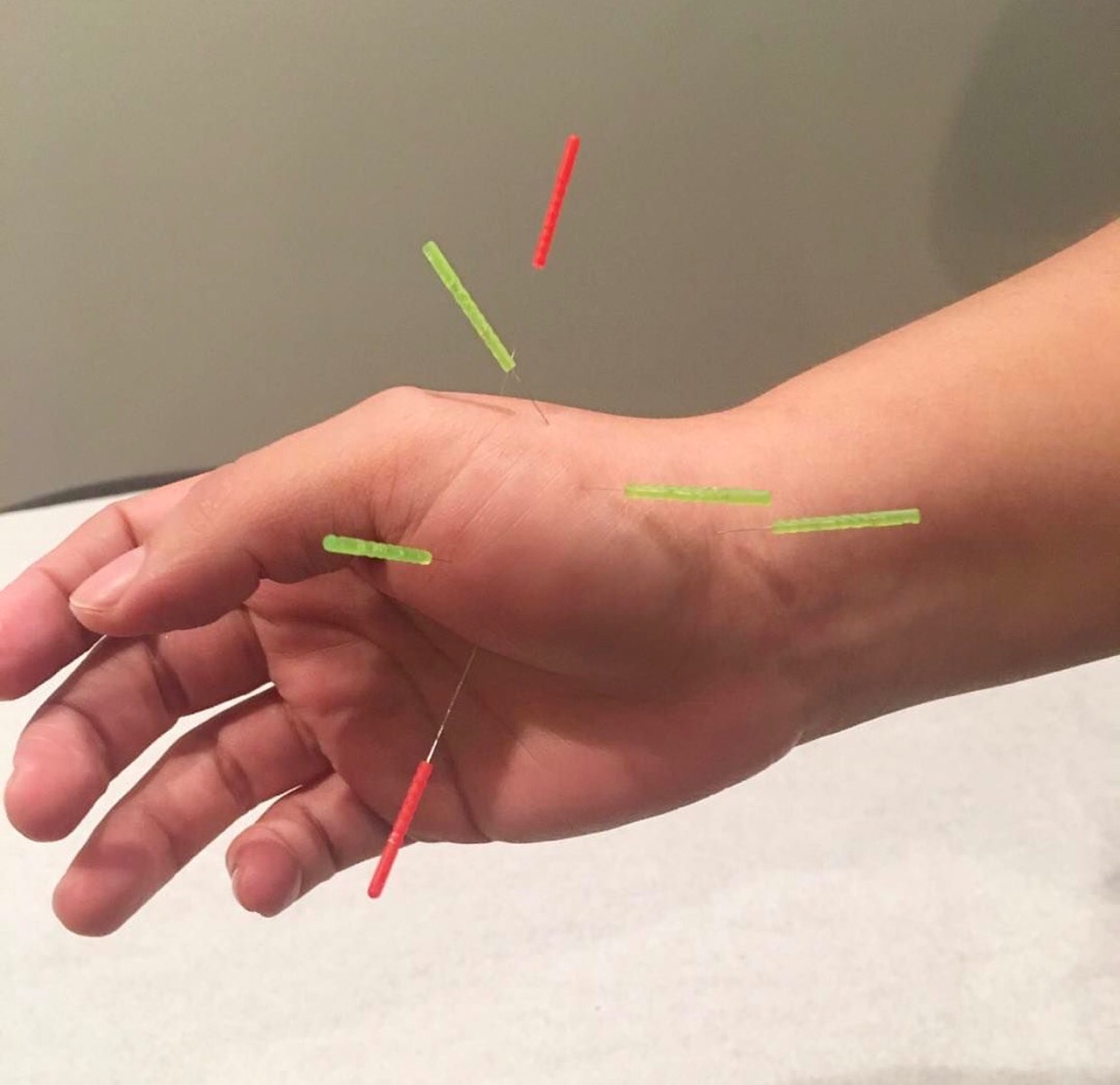
While acupuncture technically involved needles, the approach is considered to be “needling” and blood is very rarely a factor (unless a drop here or there comes up from a particularly congested area.) No Band-Aids necessary, no closing your yes or holding your breath, and no certainly no tourniquets are needed.

In fact, acupuncture needles are also far different from what is considered a traditional needle. Often called acu-needles, they are typically hair-thin and made of surgical stainless-steel wire. Typical acu-needles range between .16-.4mm, whereas needles uses for venipuncture (a blood draw at a lab) are .82. Some have compared the needle size and sensation to that of a cat’s whisker. Feeling a little better already?

As for the biggest component of fear - pain – you can relax. There’s little to no pain involved in acupuncture. The unpleasant sensation and pain of a needle for blood draw or injection is in no way, shape, or form similar to the sensation of an acupuncture needle. Those who have tried the practice liken the sensation to be less of a needle prick and more of a twinge, similar to tweezing unwanted hair. If you can handle tweezing your eyebrows, you can handle acupuncture.

An added bonus, any uncomfortable sensation that you might (but probably won’t) feel will only exist during needle placement/insertion, so think of it as a mere second of potential discomfort in exchange for hours, weeks, or even months of health benefits.