

Managing Shift Work and Sleep Deprivation: An Acupuncture Approach
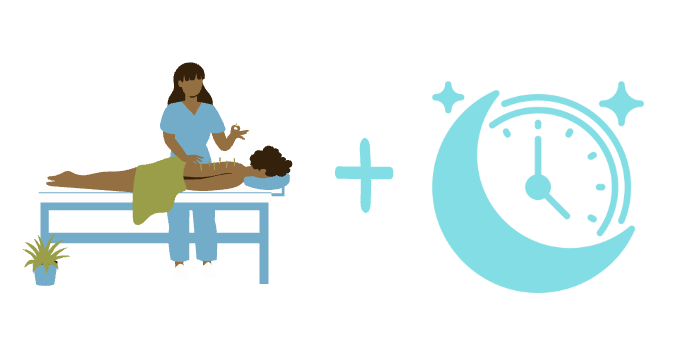
/
If you work nights, rotating shifts, or long, unpredictable hours, you already know how hard it is to get consistent, quality sleep. One week you’re up before sunrise, the next you’re trying to fall asleep while the rest of the world is wide awake. Over time, that disruption adds up.
Shift work doesn’t just leave you feeling tired—it can affect your mood, focus, immune system, and overall health. And while coffee and powering through might get you by in the moment, they don’t solve the root issue.
The key isn’t just getting more sleep—it’s helping your body learn how to rest again.
Why Shift Work Disrupts Your Body
Your body runs on an internal clock, often called your circadian rhythm. It tells you when to feel alert and when to wind down. But when your schedule constantly changes, that rhythm gets thrown off.
Common effects of shift work include:
Difficulty falling or staying asleep
Waking up feeling unrefreshed
Brain fog and slower reaction time
Increased irritability or anxiety
Low energy, even after resting
Over time, this ongoing disruption can impact everything from digestion to immune function.
The Stress-Sleep Cycle
Sleep and stress are closely connected—and shift work often affects both.
When your body is overtired, it produces more stress hormones to keep you going. But those same hormones can make it harder to relax when it’s finally time to sleep.
This creates a cycle:
You’re tired but wired
You struggle to fall asleep
You wake up still exhausted
You rely on stimulation to get through the day
Breaking that cycle requires more than just trying to “sleep harder.” It requires resetting how your body responds to stress and rest.
How Acupuncture Helps Reset Sleep Patterns
Acupuncture supports the body by helping regulate internal systems—including the nervous system, which plays a major role in sleep.
Here’s how it can help:
1. Calms the Nervous System
Acupuncture helps shift your body out of a constant alert state and into a more relaxed one. This makes it easier to fall asleep and stay asleep, even when your schedule isn’t perfect.
2. Supports Natural Sleep Cycles
While your schedule may vary, your body still benefits from rhythm. Acupuncture can help reinforce your body’s ability to recognize when it’s time to rest and recover.
3. Reduces “Tired but Wired” Feeling
If you’ve ever felt exhausted but unable to shut your mind off, you’re not alone. Acupuncture helps regulate stress hormones, making it easier to unwind when you need to.
4. Improves Sleep Quality
It’s not just about how long you sleep—it’s about how restorative that sleep is. Many people notice deeper, more refreshing sleep after consistent treatments.
5. Boosts Energy Without Stimulants
When your body is better rested, your energy improves naturally. Instead of relying on caffeine or quick fixes, you feel more balanced throughout your shift.
Supporting Your Body Between Shifts
In addition to acupuncture, small changes can help support better rest:
Keep your sleep environment as dark and quiet as possible
Limit screen time before trying to sleep
Stay consistent with sleep and wake times when you can
Avoid heavy meals right before bed
Give yourself time to unwind, even if it’s brief
Even small adjustments can make a difference when your schedule is demanding.
A Smarter Way to Handle Shift Work
You may not be able to change your schedule—but you can support how your body responds to it.
Acupuncture offers a natural, effective way to help regulate sleep, reduce stress, and improve overall function—even in the face of irregular hours.
It’s not about perfection. It’s about helping your body adapt, recover, and perform better over time.
Shift work and sleep deprivation are tough—but they don’t have to define how you feel every day. With the right support, your body can learn to rest more effectively, recover more fully, and handle the demands of your schedule with greater ease. Acupuncture is one tool that helps make that possible—so you can feel more like yourself, no matter what shift you’re on.